
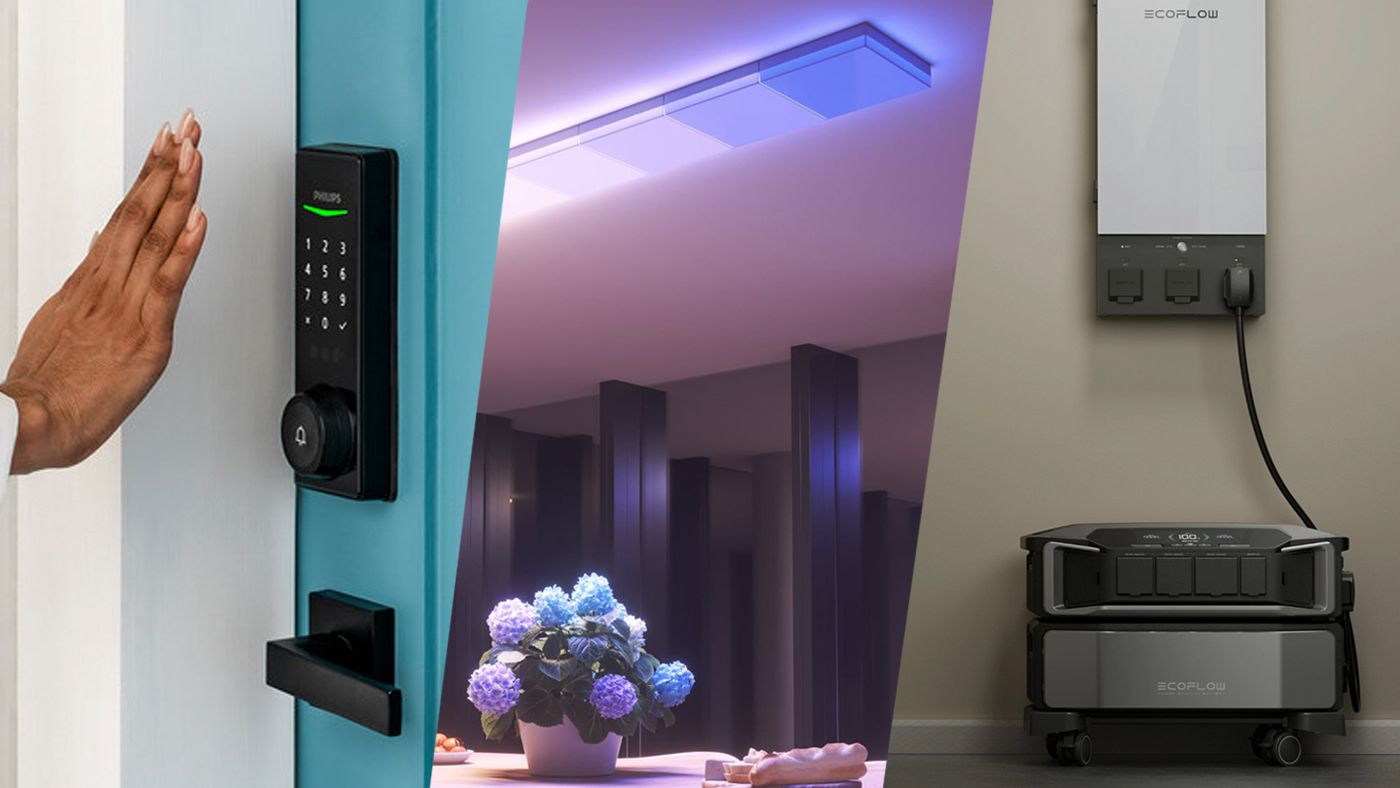

Best Smart Home Devices 2024: Ultimate Guide for Tech Enthusiasts to Build Their Dream Smart Home - Part 1
Introduction to Smart Home Automation in 2024
The smart home revolution has reached new heights in 2024, transforming how tech enthusiasts interact with their living spaces. With advancements in artificial intelligence, improved connectivity protocols, and more intuitive user interfaces, building your dream smart home has never been more accessible or exciting. This comprehensive guide will walk you through the best smart home devices available this year, helping you create an automated ecosystem that enhances comfort, security, and efficiency.
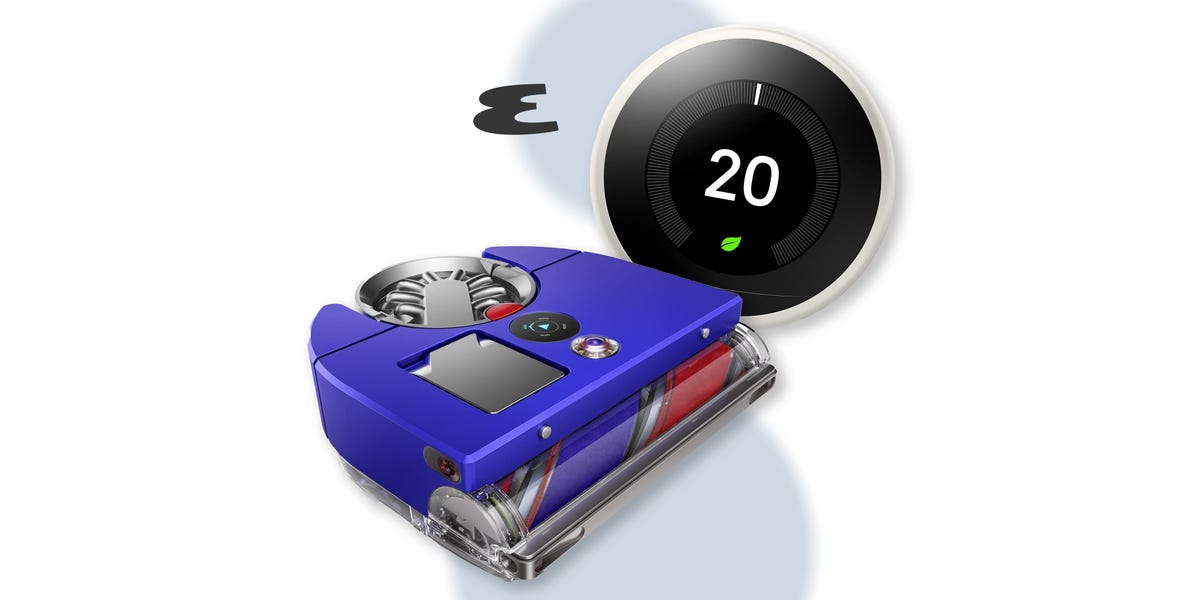
Smart home automation has evolved from simple remote-controlled gadgets to sophisticated systems that learn your habits, anticipate your needs, and seamlessly integrate with your daily routine. Whether you're a seasoned tech enthusiast looking to upgrade your existing setup or a newcomer ready to dive into home automation, understanding the current landscape is crucial for making informed decisions.
Essential Categories of Smart Home Devices
Before diving into specific product recommendations, it's important to understand the core categories that form the foundation of any comprehensive smart home system. These categories work together to create a cohesive, intelligent environment that responds to your preferences and lifestyle.
Smart Speakers and Voice Assistants
Smart speakers serve as the central command hub for your smart home ecosystem. In 2024, devices like the Sonos Era 100 and Amazon Echo (4th Gen) continue to lead the market with exceptional audio quality and robust voice control capabilities. These devices not only provide entertainment but also act as the primary interface for controlling other connected devices throughout your home.
Best Smart Speakers 2024: Features, Compatibility & Pricing Comparison
| Device Model | Audio Quality | Voice Assistant | Smart Home Compatibility | Price Range |
|---|---|---|---|---|
| Amazon Echo Studio | High-fidelity with 3D audio | Alexa | Zigbee, Matter, Thread | $199.99 |
| Google Nest Audio | Balanced sound with adaptive EQ | Google Assistant | Matter, Chromecast built-in | $99.99 |
| Apple HomePod mini | 360-degree audio with computational audio | Siri | HomeKit, Matter, Thread | $99.00 |
| Sonos Era 100 | Premium stereo sound with Trueplay tuning | Alexa, Sonos Voice Control | AirPlay 2, Spotify Connect | $249.00 |
| Amazon Echo Dot (5th Gen) | Improved bass and clarity | Alexa | Zigbee, Matter, Thread | $49.99 |
| Google Nest Hub (2nd Gen) | Clear audio with 7-inch display | Google Assistant | Matter, Chromecast, Thread | $99.99 |
The integration of advanced AI has made voice assistants more conversational and context-aware than ever before. They can now understand complex commands, manage multiple requests simultaneously, and even predict your needs based on historical usage patterns.
Smart Displays and Visual Interfaces
Smart displays have become increasingly sophisticated, with devices like the Amazon Echo Show 10 (3rd Gen) featuring rotating screens and high-quality cameras. These devices bridge the gap between voice control and visual interaction, providing weather updates, video calls, recipe displays, and security camera feeds all in one convenient location.
Planning Your Smart Home Journey
Building a dream smart home requires careful planning and consideration of your specific needs, budget, and technical comfort level. The key to success lies in starting with a solid foundation and gradually expanding your system as you become more familiar with the technology.
Consider your home's existing infrastructure, including Wi-Fi coverage, electrical outlets, and wiring. Many modern smart devices rely heavily on strong, consistent internet connectivity, so ensuring robust network coverage throughout your home is paramount. Additionally, think about which rooms you use most frequently and would benefit most from automation.
Compatibility and Ecosystem Integration
One of the most critical decisions you'll make is choosing a primary ecosystem or platform. Whether you lean toward Amazon Alexa, Google Assistant, Apple HomeKit, or prefer a more open approach with platforms like Home Assistant, your choice will influence which devices work seamlessly together and how you'll interact with your smart home daily.
Smart Home Mastery: Test Your 2024 Device Knowledge
Think you know the latest smart home devices and trends? This quiz will challenge your knowledge of the best smart home technology available in 2024, from ecosystem compatibility to cutting-edge features. Whether you're planning your first smart home setup or upgrading your existing system, test how well you understand the current landscape of smart home automation.
The beauty of modern smart home technology lies in its ability to learn and adapt. Many devices now feature machine learning capabilities that analyze your behavior patterns and automatically adjust settings to optimize comfort and energy efficiency. This means your smart home becomes more intelligent and personalized over time, requiring less manual intervention while providing greater convenience.
Getting Started with Core Devices
For tech enthusiasts beginning their smart home journey, starting with core devices that provide immediate value and serve as building blocks for future expansion is the most practical approach. These foundational devices establish the infrastructure needed for more advanced automation and integration.
In the following sections of this guide, we'll explore specific device recommendations, installation tips, and advanced automation strategies that will help you create a truly intelligent home environment. From smart thermostats that learn your schedule to security systems that provide peace of mind, we'll cover everything you need to know to build your dream smart home in 2024.
Essential Smart Home Device Categories for Tech Enthusiasts
Building your dream smart home requires understanding the core device categories that form the foundation of any sophisticated automation system. Each category serves specific functions while working together to create a seamless, intelligent living environment that responds to your needs and preferences.
Smart Lighting Systems: The Foundation of Ambiance Control
Smart lighting represents one of the most impactful and accessible entry points into home automation. Modern smart lighting systems go far beyond simple on/off controls, offering color temperature adjustment, dimming capabilities, and integration with circadian rhythm patterns to support natural sleep cycles.
Philips Hue continues to dominate the premium smart lighting market with their extensive ecosystem of bulbs, light strips, and fixtures. Their latest offerings include matter compatibility and improved energy efficiency. For budget-conscious tech enthusiasts, brands like Govee and LIFX provide excellent alternatives with comparable features at more accessible price points.
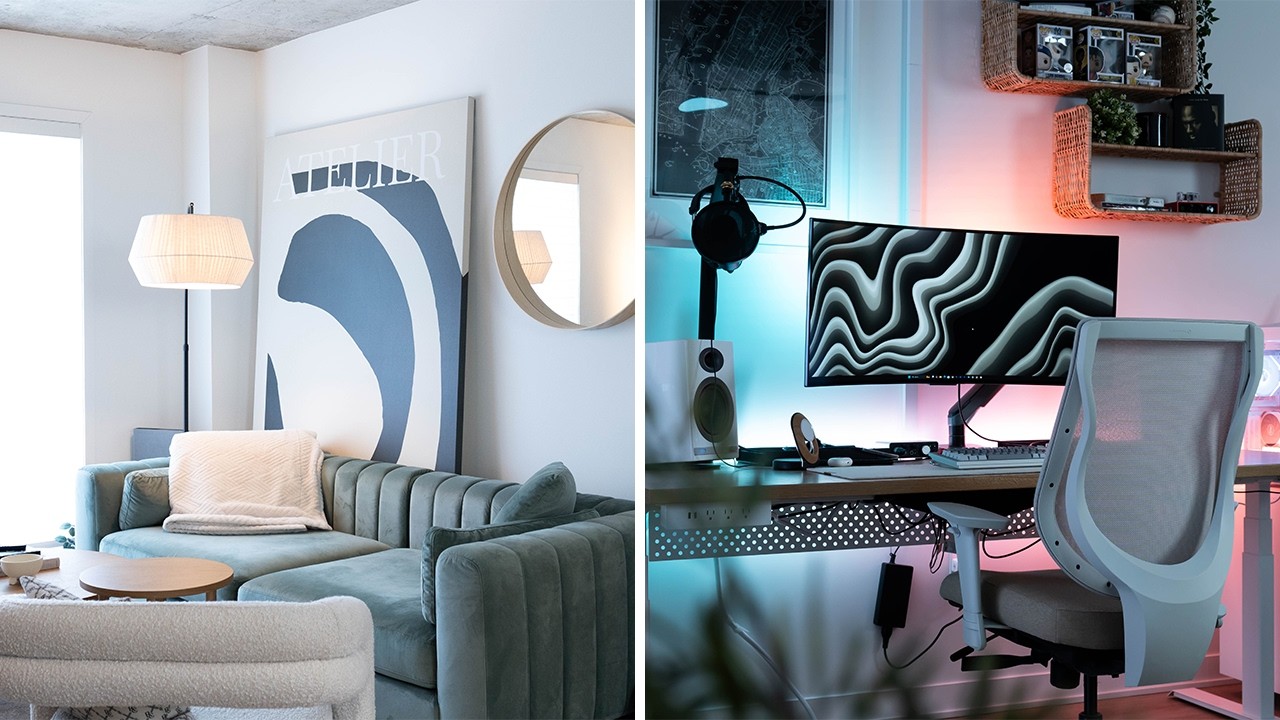
Key considerations when selecting smart lighting include protocol compatibility (Zigbee, Z-Wave, or WiFi), color capabilities, and integration with your chosen smart home platform. Professional installation may be required for hardwired fixtures, but most smart bulbs offer plug-and-play simplicity.
Smart Security Systems: Protecting Your Connected Home
Security remains a top priority for smart home enthusiasts, and 2024 has brought significant advances in AI-powered detection, facial recognition, and integration capabilities. Modern smart security systems combine cameras, sensors, and smart locks to create comprehensive protection networks.
Ring and Nest continue to lead the market with their ecosystem approaches, offering doorbell cameras, outdoor cameras, and alarm systems that work seamlessly together. However, newer players like Eufy and Reolink have gained traction by offering local storage options and subscription-free models that appeal to privacy-conscious users.
Top Smart Security Systems Comparison 2024
| System | Monthly Cost | Key Features | Storage Options | Smart Home Compatibility |
|---|---|---|---|---|
| Ring Alarm Pro | $20/month | Professional monitoring, built-in eero Wi-Fi 6 router, cellular backup | Cloud storage included | Alexa, IFTTT |
| SimpliSafe | $17.99/month | Professional monitoring, environmental sensors, mobile app control | Cloud storage with subscription | Alexa, Google Assistant |
| ADT Command | $45.99/month | Professional monitoring, smart automation, video doorbell included | Cloud storage included | Google Assistant, Z-Wave |
| Eufy Security | $0 (optional $3/month) | Local storage, AI detection, no monthly fees | Local HomeBase storage, optional cloud | Alexa, Google Assistant, Apple HomeKit |
| Reolink | $0 (optional $3.49/month) | 4K cameras, local NVR storage, PoE options | Local NVR, microSD, optional cloud | Google Assistant, ONVIF compatible |
| Abode | $20/month | DIY installation, professional monitoring, automation rules | Cloud storage with subscription | Alexa, Google Assistant, Apple HomeKit, SmartThings |
When designing your security setup, consider coverage areas, storage preferences (cloud vs. local), and integration with existing smart home platforms. Many systems now offer professional monitoring services alongside DIY installation options.
Climate Control: Smart Thermostats and Environmental Management
Smart thermostats have evolved beyond simple temperature control to become comprehensive environmental management systems. The latest models incorporate humidity sensing, air quality monitoring, and predictive algorithms that learn your schedule and preferences.
The Ecobee SmartThermostat with Voice Control stands out for its room sensor technology and built-in Alexa functionality. Google Nest Learning Thermostat remains popular for its sleek design and machine learning capabilities. For those seeking advanced features, the Honeywell T9 offers room-by-room temperature control through wireless sensors.
Smart thermostats typically pay for themselves through energy savings within 1-2 years, making them one of the most practical smart home investments. Look for models that support your HVAC system type and offer the connectivity options that match your smart home ecosystem.
Smart Entertainment and Audio Systems
The convergence of smart home technology and entertainment has created new possibilities for immersive audio experiences and seamless content streaming. Multi-room audio systems, smart TVs, and voice-controlled entertainment hubs have become central to modern smart homes.
Sonos continues to set the standard for multi-room audio with their Era series, offering exceptional sound quality and broad compatibility. Amazon Echo devices provide budget-friendly options for voice control and basic audio needs, while Apple HomePod appeals to users invested in the Apple ecosystem.
Smart TVs from Samsung, LG, and Sony now include built-in voice assistants and smart home control capabilities, serving as central hubs for both entertainment and home automation. Consider screen size, HDR support, and smart platform preferences when selecting your primary entertainment display.
Kitchen and Appliance Automation
The smart kitchen has emerged as a focal point for home automation enthusiasts, with connected appliances offering convenience, energy efficiency, and enhanced cooking experiences. Smart refrigerators, ovens, dishwashers, and small appliances can now be monitored and controlled remotely.
Samsung and LG lead the smart appliance market with their comprehensive kitchen suites that offer seamless integration and advanced features like internal cameras, recipe suggestions, and energy monitoring. For existing kitchens, smart plugs and retrofit devices can add intelligence to conventional appliances.
When planning kitchen automation, prioritize appliances you use most frequently and consider the long-term value of smart features. Integration with grocery delivery services and meal planning apps can significantly enhance the smart kitchen experience.
Advanced Smart Home Integration and Future-Proofing Your Setup
Creating a truly intelligent smart home automation system goes beyond individual devices—it requires strategic integration, proper planning, and understanding of emerging technologies. As tech enthusiasts venture into building their dream smart home in 2024, the focus shifts from standalone gadgets to cohesive ecosystems that work seamlessly together.
Smart Home Hub Selection and Ecosystem Compatibility
The foundation of any sophisticated smart home lies in choosing the right hub and ensuring ecosystem compatibility. Leading platforms like Samsung SmartThings, Hubitat Elevation, and Home Assistant offer different advantages for tech enthusiasts seeking maximum control and customization.
When selecting your hub, consider protocol support including Zigbee, Z-Wave, Wi-Fi, and the emerging Matter standard. Matter compatibility ensures future-proofing as it enables cross-platform device communication, eliminating vendor lock-in concerns that have historically plagued smart home automation.
Building Your Smart Home Device Portfolio
Strategic device selection requires balancing functionality, reliability, and integration capabilities. Start with core categories and expand systematically to avoid compatibility issues and overwhelming complexity.
For tech enthusiasts prioritizing performance and reliability, investing in enterprise-grade networking equipment forms the backbone of a robust smart home. Mesh Wi-Fi systems from brands like Eero Pro 6E or ASUS ZenWiFi AX6600 ensure consistent connectivity across all connected devices.
Advanced Automation Scenarios and Programming
The true power of smart home automation emerges through sophisticated programming and scenario creation. Modern platforms support complex conditional logic, enabling responses to multiple triggers and environmental factors.
Consider implementing presence detection using multiple methods—smartphone GPS, motion sensors, and door/window sensors—to create reliable occupancy-based automations. This approach eliminates false triggers while ensuring your smart home responds intelligently to actual usage patterns.
Security and Privacy Considerations
As smart home devices proliferate, security becomes paramount. Implement network segmentation using VLANs to isolate IoT devices from critical systems. Regular firmware updates, strong unique passwords, and two-factor authentication where available form essential security practices.
Privacy-conscious tech enthusiasts should prioritize local processing capabilities. Devices supporting local control reduce cloud dependencies and potential data exposure while maintaining functionality during internet outages.
Emerging Technologies and Future Trends
The smart home landscape continues evolving with artificial intelligence integration, improved energy management, and enhanced interoperability. AI-powered predictive analytics enable homes to anticipate needs, automatically adjusting lighting, temperature, and security based on learned patterns.
Energy management systems incorporating solar panels, battery storage, and smart grid integration represent the next frontier for environmentally conscious tech enthusiasts. These systems optimize energy consumption, reduce costs, and provide resilience during power outages.
Testing Your Smart Home Knowledge
Before finalizing your smart home automation strategy, assess your understanding of key concepts and device compatibility requirements.
Implementation Strategy and Timeline
Successful smart home deployment requires phased implementation. Begin with lighting and climate control as these provide immediate benefits and establish the foundation for more complex automations. Gradually add security systems, entertainment devices, and specialized sensors while ensuring each addition integrates properly with existing components.
Budget allocation should prioritize quality over quantity. Investing in fewer, higher-quality devices with strong integration capabilities proves more satisfactory than purchasing numerous incompatible gadgets that create frustration rather than convenience.
Regular system maintenance, including firmware updates, automation rule reviews, and device performance monitoring, ensures your dream smart home continues operating optimally. Document your configurations and maintain backup settings to facilitate troubleshooting and system recovery when needed.
The best smart home devices 2024 offers represent significant advances in reliability, interoperability, and user experience. By following strategic implementation principles and focusing on long-term compatibility, tech enthusiasts can create sophisticated smart home automation systems that enhance daily life while remaining adaptable to future technological developments.

No comments yet. Be the first to share your thoughts!