


Understanding the Matter Protocol: The Foundation of Modern Smart Home Automation
The Matter protocol has emerged as the definitive solution for smart home interoperability, transforming how tech enthusiasts approach home automation in 2024. Originally known as Project CHIP (Connected Home over IP), Matter represents a collaborative effort between industry giants including Apple, Google, Amazon, and Samsung to create a unified standard that eliminates the fragmentation plaguing smart home devices.
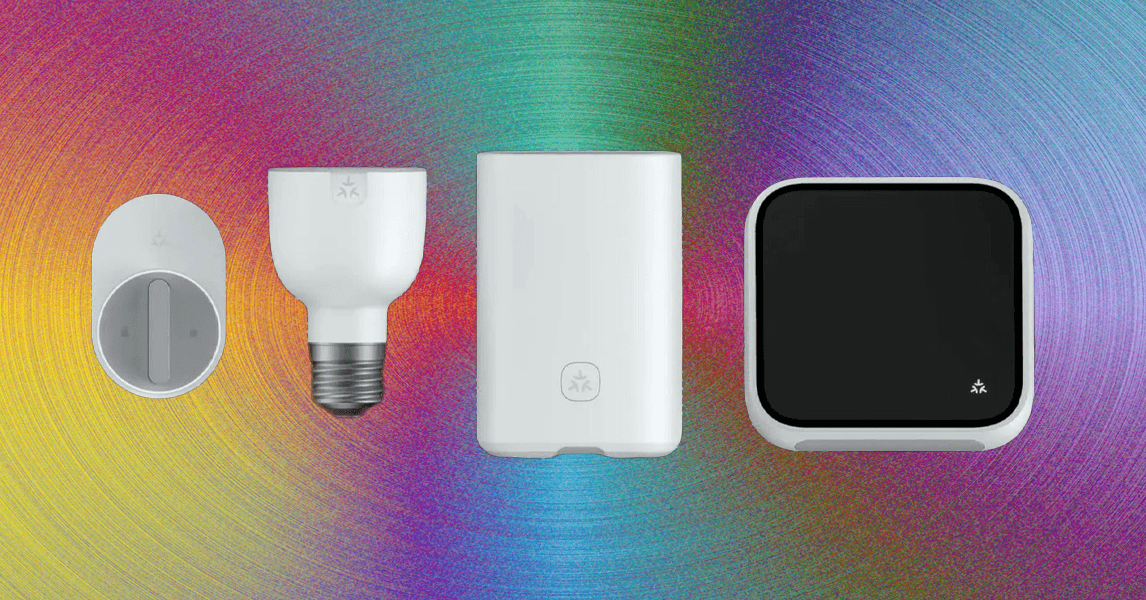
At its core, Matter is an open-source connectivity standard that enables smart home devices from different manufacturers to work together seamlessly. Unlike proprietary protocols that lock users into specific ecosystems, Matter operates over existing network infrastructure including Wi-Fi, Ethernet, and Thread, making it accessible to both newcomers and experienced home automation enthusiasts.
The Current State of Matter Protocol in 2024
As of 2024, the Matter protocol has reached significant maturity with the release of Matter 1.5.1, which introduces groundbreaking enhancements for smart cameras and video doorbells. This latest iteration focuses on multi-stream video capabilities, allowing devices to simultaneously provide high-resolution streams for recording while offering optimized lower-resolution feeds for mobile viewing. The addition of enhanced pan-tilt-zoom controls and support for the HEIC image codec represents a major leap forward in smart home security and monitoring capabilities.
Matter Protocol Version History and Key Features (2022-2024)
| Version | Release Date | Key Features Introduced | Device Categories Added |
|---|---|---|---|
| 1.0 | October 2022 | Initial release with basic device types, Thread and Wi-Fi support, unified commissioning | Lighting, switches, plugs, locks, thermostats, sensors |
| 1.1 | May 2023 | Enhanced energy management, improved Thread reliability, battery-powered device optimization | Energy reporting devices, improved sensor categories |
| 1.2 | October 2023 | Refrigerator and dishwasher support, enhanced air quality monitoring, improved fabric synchronization | Kitchen appliances, advanced air quality sensors |
| 1.3 | May 2024 | Smoke and CO detector support, enhanced security features, improved commissioning flow | Safety devices, security sensors |
| 1.4 | October 2024 | Smart speaker and microphone support, enhanced audio capabilities, improved Thread border router functionality | Audio devices, voice assistants |
| 1.5 | February 2024 | Initial camera and video doorbell support, basic streaming capabilities | Security cameras, video doorbells |
| 1.5.1 | April 2024 | Multi-stream video and audio, enhanced PTZ controls, improved mobile viewing optimization | Advanced camera features, enhanced video streaming |
The protocol's evolution demonstrates its commitment to addressing real-world smart home automation challenges. Matter 1.5, released in November 2025, laid the groundwork with comprehensive security camera support, improved door and window integration, and enhanced energy management capabilities. These updates directly respond to the growing demand from tech enthusiasts for more sophisticated home automation solutions.
Why Matter Protocol Matters for Smart Home Enthusiasts
For tech enthusiasts building comprehensive smart home systems, Matter protocol offers unprecedented advantages over traditional approaches. The elimination of hub dependency for many devices reduces complexity and potential points of failure. Instead of managing multiple proprietary hubs and their associated apps, users can control Matter-certified devices through their preferred platform, whether that's Apple HomeKit, Google Home, Amazon Alexa, or Samsung SmartThings.
The protocol's local processing capabilities ensure that basic device functions continue operating even during internet outages, a critical consideration for security-conscious users. This local-first approach, combined with end-to-end encryption, addresses privacy concerns that have historically deterred tech-savvy users from adopting cloud-dependent smart home solutions.
Device Categories and Compatibility
Matter protocol currently supports an expanding range of device categories that form the backbone of modern smart home automation systems. The initial release focused on fundamental device types including lighting controls, switches, plugs, door locks, thermostats, window coverings, and sensors. The recent expansion to include security cameras, video doorbells, and enhanced energy management devices significantly broadens the protocol's appeal to comprehensive home automation projects.
Understanding device compatibility remains crucial for planning effective smart home automation deployments. While Matter promises universal interoperability, implementation nuances and manufacturer-specific features can still impact the user experience. Tech enthusiasts should verify specific feature support beyond basic on/off functionality, particularly for advanced devices like security cameras that may offer varying levels of Matter integration.
Technical Architecture and Implementation
The technical foundation of Matter protocol builds upon proven networking standards while introducing novel approaches to device commissioning and control. The protocol operates primarily over IP networks, utilizing UDP for most communications and supporting both IPv4 and IPv6 addressing schemes. Thread mesh networking provides robust connectivity for battery-powered devices, while Wi-Fi handles bandwidth-intensive applications like video streaming.
Content is being updated. Check back soon.
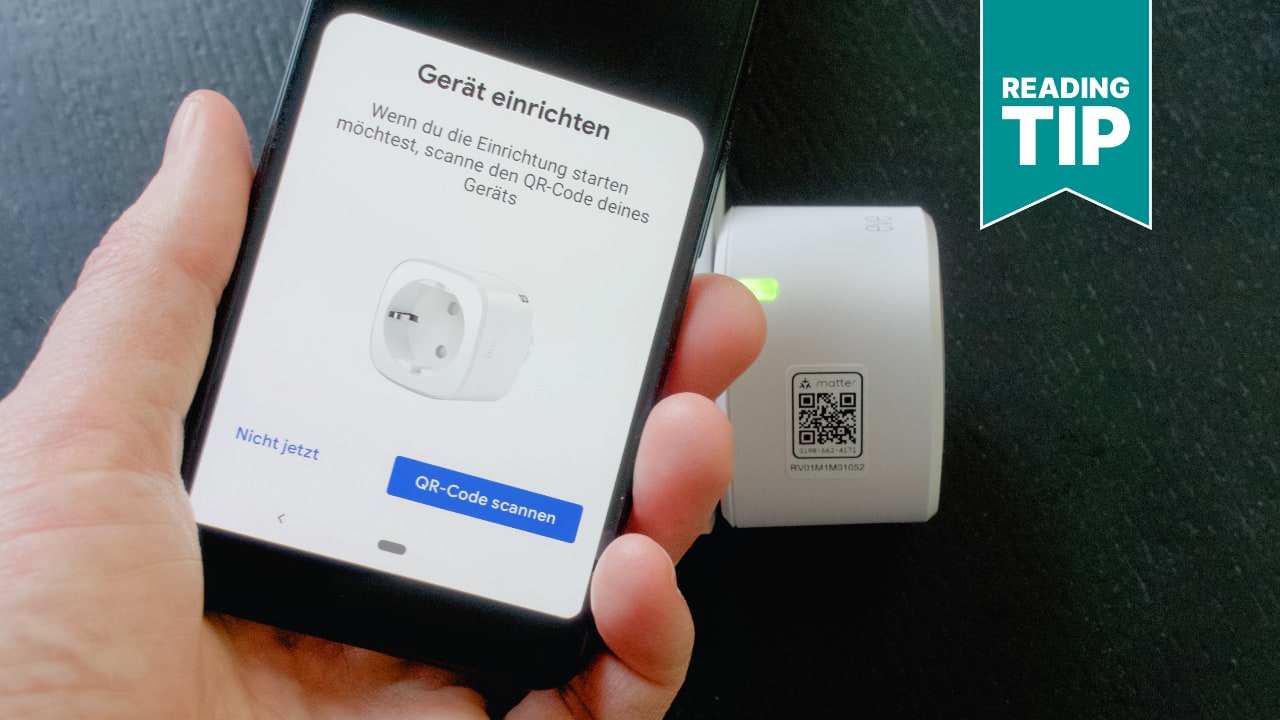
Device commissioning in Matter environments utilizes QR codes or numeric setup codes that contain cryptographic information for secure onboarding. This approach eliminates the complex pairing procedures that have historically frustrated users while maintaining security standards appropriate for connected home environments. The commissioning process establishes device credentials and network parameters necessary for ongoing operation within the Matter fabric.
The protocol's cluster-based architecture defines specific functionality sets that devices can implement, ensuring consistent behavior across manufacturers while allowing for innovation in implementation details. This modular approach enables devices to support multiple clusters simultaneously, creating opportunities for sophisticated automation scenarios that leverage diverse device capabilities within unified control frameworks.
Setting Up Your Matter-Enabled Smart Home: Essential Devices and Implementation
Building a comprehensive matter protocol smart home requires careful selection of compatible devices and proper configuration. This section provides tech enthusiasts with a detailed roadmap for implementing smart home automation using Matter-enabled devices, from initial setup to advanced configurations.
Essential Matter-Compatible Device Categories
The Matter ecosystem has expanded significantly, with manufacturers now offering extensive device support across multiple categories. Understanding which devices work best together is crucial for creating a seamless smart home automation experience.
Matter Protocol Compatible Smart Home Devices - 2024 Comparison
| Device Category | Product Example | Matter Compatibility Rating | Key Features | Price Range |
|---|---|---|---|---|
| Smart Lighting | Philips Hue White and Color Ambiance A19 | Full Native Support | 16 million colors, voice control, scheduling, dimming | $45-50 |
| Climate Control | Ecobee SmartThermostat Premium | Full Native Support | Room sensors, voice control, energy reports, geofencing | $249-279 |
| Security Cameras | Eve Outdoor Cam | Matter 1.5.1 Compatible | 1080p recording, HomeKit Secure Video, night vision, weatherproof | $199-229 |
| Smart Locks | Yale Assure Lock 2 with Wi-Fi | Full Native Support | Keypad entry, auto-lock, tamper alerts, remote access | $279-319 |
| Smart Switches | Kasa Smart Wi-Fi Light Switch HS200 | Thread Border Router Required | Remote control, scheduling, no hub required, voice control | $12-15 |
| Entertainment | Samsung QN90C Neo QLED TV | Matter Hub Integration | 4K display, SmartThings hub built-in, voice assistants | $1,299-2,499 |
| Sensors | Aqara Motion Sensor P1 | Zigbee to Matter Bridge | 120-degree detection, 7m range, battery powered, pet immunity | $19-25 |
Smart lighting remains the most accessible entry point for tech enthusiasts beginning their matter protocol journey. Leading manufacturers like Philips Hue, LIFX, and Nanoleaf have fully embraced Matter compatibility, offering bulbs, strips, and fixtures that integrate seamlessly across platforms. Climate control devices, including smart thermostats from Nest, Ecobee, and Honeywell, provide energy management capabilities that work with Matter's enhanced energy monitoring features introduced in version 1.5.
Step-by-Step Matter Device Setup Process
Implementing matter protocol devices requires a systematic approach to ensure optimal performance and compatibility across your smart home automation system.
The commissioning process has been streamlined in recent Matter updates, with QR code scanning now supporting bulk device addition and improved error handling. Tech enthusiasts should note that Matter 1.5.1's enhanced camera support requires specific network configurations for optimal video streaming performance.
Advanced Configuration and Automation Scripts
For tech enthusiasts seeking deeper customization, Matter's open-source nature allows for advanced scripting and automation beyond standard manufacturer apps. The following code demonstrates basic Matter device control using the Python matter-server library:
This approach enables custom automation scenarios that leverage multiple device types simultaneously, such as coordinating lighting, climate, and security systems based on occupancy patterns or time-based triggers.
Cost Analysis and Device Selection Strategy
Budget considerations play a crucial role in smart home automation planning. The matter protocol's interoperability reduces long-term costs by preventing vendor lock-in, but initial investment varies significantly across device categories.
Tech enthusiasts should prioritize devices that offer the best long-term value through regular firmware updates and expanding feature sets. Matter's backward compatibility ensures that early adopters won't face obsolescence as new capabilities are introduced.
Network Requirements and Performance Optimization
Successful matter protocol implementation depends heavily on robust network infrastructure. Thread border routers, Wi-Fi 6 access points, and proper network segmentation are essential for optimal performance, especially with the video streaming capabilities introduced in Matter 1.5.1.
The enhanced PTZ controls and multi-stream video capabilities require sufficient bandwidth allocation and Quality of Service (QoS) configuration to prevent network congestion during peak usage periods.
Test Your Matter Knowledge
Understanding the technical aspects of matter protocol implementation is crucial for successful smart home automation deployment.
This foundation prepares tech enthusiasts for the advanced integration strategies and troubleshooting techniques covered in the final section of this comprehensive smart home automation guide.
Advanced Matter Protocol Implementation and Future-Proofing Your Smart Home
With the foundation and device setup complete, Part 3 focuses on advanced matter protocol configurations, troubleshooting common issues, and preparing your smart home automation system for future developments. The latest Matter 1.5.1 release brings significant enhancements to video devices and energy management, making this an ideal time to optimize your existing setup.
Advanced Configuration and Optimization Techniques
Maximizing your matter protocol smart home requires understanding advanced configuration options that go beyond basic device pairing. Thread border routers play a crucial role in network stability, and implementing multiple border routers creates redundancy that prevents single points of failure. Configure your primary hub as the main border router, then add secondary hubs to ensure continuous connectivity even during device updates or failures.
Network segmentation becomes essential as your smart home devices multiply. Create dedicated VLANs for your Matter devices to isolate smart home traffic from general internet usage, improving both security and performance. This approach also enables better bandwidth management for video-intensive devices like security cameras and video doorbells that now benefit from Matter 1.5.1's multi-stream capabilities.
Troubleshooting Common Matter Protocol Issues
Even well-configured matter protocol networks encounter occasional issues. Device commissioning failures often result from network congestion or interference on the 2.4GHz band. When devices fail to join your Thread network, check for competing wireless signals and consider adjusting your Thread channel selection through your border router's advanced settings.
Intermittent device responsiveness typically indicates Thread mesh optimization problems. Devices positioned too far from Thread routers may experience communication delays. The solution involves strategically placing Thread-enabled devices to create stronger mesh pathways, ensuring each device has multiple routing options to reach the border router.
Cost Analysis and Device Recommendations
Building a comprehensive matter protocol smart home requires strategic investment planning. Entry-level setups focusing on lighting and basic sensors typically range from $300-600, while comprehensive systems including security cameras, smart locks, and energy management devices can reach $2000-4000. The key lies in prioritizing device categories that provide the greatest automation value for your specific needs.
Programming Custom Automations
Advanced smart home automation leverages Matter's standardized device communication for complex scenarios. Home Assistant and OpenHAB provide powerful platforms for creating custom automations that span multiple device manufacturers. Consider this example automation that adjusts lighting based on occupancy and time of day:
Future-Proofing Your Investment
The matter protocol roadmap includes expanded device categories and enhanced capabilities. Matter 1.6, expected in late 2026, will introduce support for robotic vacuum cleaners and advanced HVAC systems. Preparing for these additions involves ensuring your Thread network infrastructure can handle increased device density and selecting hubs with sufficient processing power for future features.
Energy management capabilities introduced in Matter 1.5 enable sophisticated power monitoring and optimization. Smart home devices can now coordinate to reduce peak energy consumption, potentially lowering utility costs while maintaining comfort and functionality. This feature becomes increasingly valuable as utility companies implement time-of-use pricing structures.
Testing Your Knowledge
Understanding matter protocol implementation requires grasping both technical concepts and practical applications. Test your comprehension of the key concepts covered throughout this comprehensive guide:
The matter protocol represents a fundamental shift toward true smart home interoperability. By following this complete guide, tech enthusiasts can build robust, scalable home automation systems that leverage the best devices from multiple manufacturers while maintaining the flexibility to adapt to future innovations. Your matter-enabled smart home provides the foundation for years of expanding automation possibilities.
No comments yet. Be the first to share your thoughts!