

Start with the right hub
The hub is the brain of your smart home, coordinating the network of devices that communicate to perform functions around your house. Without a central controller, your smart lights, thermostats, and locks are just isolated gadgets. Choosing the right hub determines whether your system feels like convenient magic or a privacy-respecting tool.
For most users, the path of least resistance is a cloud-based ecosystem like Amazon Alexa or Google Home. These platforms offer polished apps, voice control, and easy integration with thousands of consumer devices. You plug in a device, and it just works. This convenience comes with a trade-off: your data flows through corporate servers, and your home’s operations depend on an active internet connection.
Tech enthusiasts often prefer the local control route, primarily using Home Assistant. This open-source platform puts privacy first by processing commands on your own hardware. Your data stays off cloud servers, and your automations continue to run even if your internet goes down. It requires more setup and tinkering, but it offers granular control that cloud platforms simply cannot match.
Automate lighting and climate
The most effective smart home routines start with two things: light and temperature. These are the triggers that shape your daily rhythm. A smart bulb that mimics sunrise can replace the jarring noise of an alarm clock. A smart thermostat that learns your schedule keeps the house comfortable without you touching a dial. The goal here is reliability. You want devices that stay connected and respond instantly, not ones that require a restart every time the Wi-Fi blinks.
Start with lighting. Philips Hue remains the gold standard for smart bulbs. The ecosystem is mature, the colors are accurate, and the local control via the Hue Bridge means your lights work even if your internet goes down. For a more budget-friendly option that doesn't sacrifice reliability, the Sengled Element Plus is a solid choice. It works directly with Alexa or Google Home without needing a separate hub, making setup trivial. If you want to automate window treatments, Lutron Serena shades are the most reliable option on the market, integrating seamlessly with both systems.
For climate, the Ecobee Smart Thermostat Premium is the top pick for tech enthusiasts. It includes a smart sensor that tracks occupancy in specific rooms, ensuring the living room isn't freezing while the bedroom is warm. It also has a built-in air quality monitor, which is a nice bonus for health-conscious homeowners. If you prefer simplicity, the Google Nest Thermostat is a no-nonsense option. It learns your routine quickly and offers clear energy reports. Both devices prioritize local processing where possible, keeping your data private and your home responsive.
Top Picks for Lighting and Climate


As an Amazon Associate, we may earn from qualifying purchases.
Secure entry points and cameras
The front door and the porch camera are the primary interfaces between your home and the outside world. A standalone lock or camera is useful, but it becomes indispensable when it talks to the rest of your system. The best security devices don't just record events; they trigger automated responses that change the behavior of your entire home.
Consider the difference between a passive alarm and an active routine. When a smart lock detects the door is unlocked after dark, it can instantly turn on the porch light, lower the smart blinds, and send a push notification to your phone. This integration turns a simple entry point into a command center for your home's energy and security posture.
For tech enthusiasts who prioritize local control and privacy, the choice of hardware matters. Cloud-dependent systems are convenient but create a single point of failure during network outages. Local-first hubs process video and automation logic on-premise, ensuring your security routines work even during an outage.
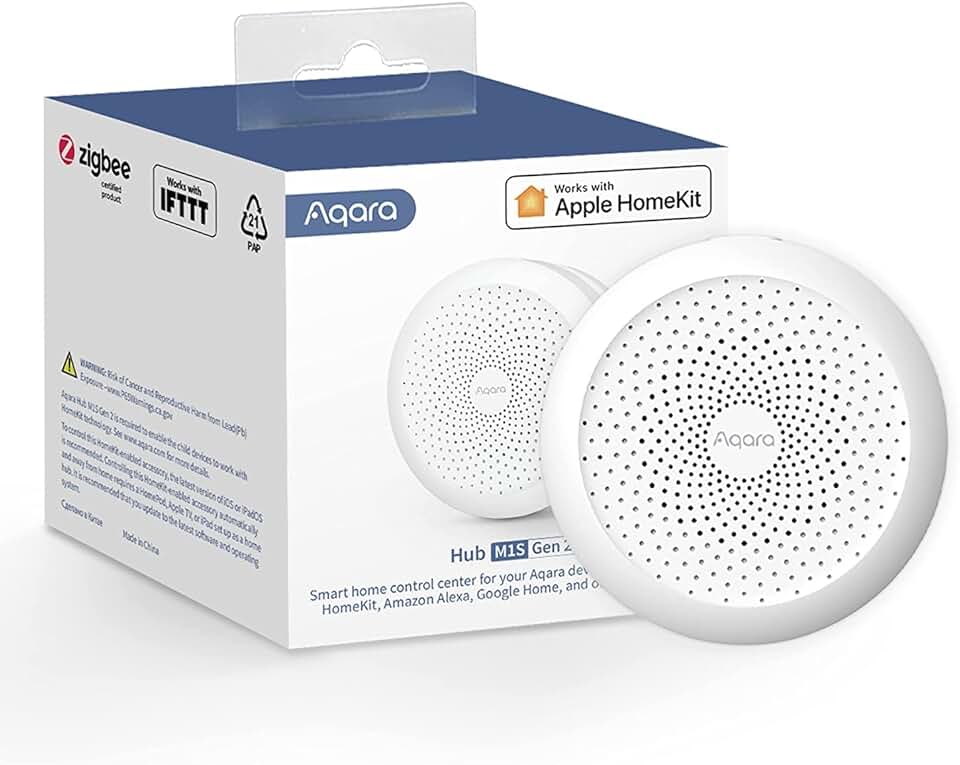
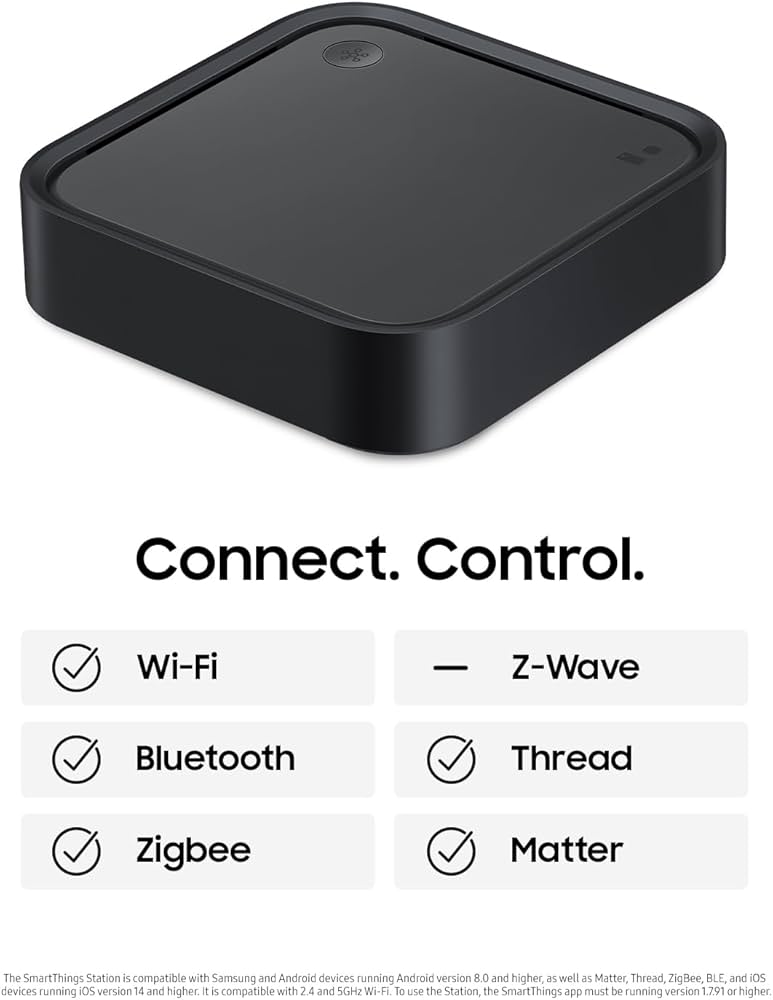
| Hub | Local Control | Camera Support | Automation Depth |
|---|---|---|---|
| Aqara Hub M3 | Yes | Zigbee cameras | Full Zigbee/Z-Wave |
| Samsung SmartThings Station | Yes | Wi-Fi/Zigbee | Full Zigbee/Z-Wave |
| Google Nest Hub | Limited | Nest only | Google ecosystem |

As an Amazon Associate, we may earn from qualifying purchases.
When selecting these devices, look for protocols that keep the data in your house. Zigbee and Z-Wave devices communicate directly with your hub, bypassing the cloud for routine tasks like locking doors or triggering lights. This architecture reduces latency and keeps your automation fast and reliable, which is critical when you are trying to secure your home in real-time.
DIY projects for tinkerers
For the "Geek Condo" crowd, off-the-shelf smart home hubs often feel like black boxes that phone home to the cloud. You want a system that runs locally, respects your privacy, and bends to your will rather than dictating it. This is where open-source software and hardware shine, offering the flexibility to build a truly personalized automation ecosystem.
Home Assistant: The Local Brain
Home Assistant is the gold standard for local control. It aggregates devices from Zigbee, Z-Wave, Matter, and proprietary cloud ecosystems into a single interface, all running on your own hardware like a Raspberry Pi or a small x86 server. By keeping data local, you eliminate latency and ensure your home keeps working even when the internet goes down.
Essential Tools for Your Build
Before diving into code or wiring, gather the right foundation. A reliable DIY smart home project requires a mix of robust hardware and precise tools.
-
A single-board computer (Raspberry Pi 4 or similar)
-
Zigbee or Z-Wave USB dongle for device connectivity
-
Soldering iron and heat shrink for custom wiring
-
Basic multimeter for voltage and continuity checks
-
3D printer for custom sensor enclosures
Custom Hardware with ESPHome
Software is only half the battle. ESPHome lets you flash custom firmware onto ESP32 or ESP8266 microcontrollers, turning cheap hardware into smart sensors. Whether you are building a custom temperature sensor, a smart button, or a relay switch, ESPHome integrates seamlessly with Home Assistant, giving you granular control over every node in your network.
Recommended Gear
Building your own automation requires reliable components. The following devices are popular choices among DIY enthusiasts for their compatibility and open-source support.


As an Amazon Associate, we may earn from qualifying purchases.
Common smart home: what to check next
Users often ask what they should automate first. The answer usually comes down to lighting and climate control. These systems offer the most immediate comfort upgrades without requiring a full home overhaul.
What is the #1 product that users wish to control with home automation?
Lighting is the most requested automation feature. Users want lights that gently wake them up in the morning and shades that open with the sun. Smart thermostats like the Ecobee or Nest also rank high for automatic temperature adjustments based on occupancy.
Can I automate my home without a hub?
Yes, many modern devices connect directly via Wi-Fi or Thread. However, a hub like the Samsung SmartThings Station or Home Assistant improves reliability. It allows local control, which is crucial for privacy and speed during network outages.
Is smart home automation secure?
Security depends on your setup. Use devices with strong encryption and change default passwords. Local control systems reduce the risk of cloud breaches. Always keep firmware updated to patch vulnerabilities quickly.
No comments yet. Be the first to share your thoughts!