
Matter's slow start and the 2026 shift
The Matter protocol arrived with a lot of promise. The idea was simple: create a universal language for smart home devices, breaking down the walls between ecosystems like Amazon Alexa, Google Home, and Apple HomeKit. But the initial rollout, starting in late 2022, was…underwhelming. Adoption was slow, and many users reported a fragmented experience, with devices from different manufacturers failing to connect reliably. It wasn't the seamless interoperability everyone hoped for.
A key issue was the limited number of supported device types initially. Early Matter focused heavily on lighting and switches, leaving out many other common smart home components. Setup could also be frustrating, requiring users to navigate different apps and processes. While the core technology was sound, the user experience needed significant work. Geek Condo’s initial assessment pointed to these hurdles as major roadblocks to mainstream adoption.
However, 2026 is shaping up to be a very different story. The Connectivity Standards Alliance (CSA), the organization behind Matter, is rolling out a substantial update – Matter 2.0 – that addresses many of these early criticisms. This isn’t just a minor tweak; it’s a fundamental improvement to the protocol, with expanded device support, streamlined commissioning, and enhanced security. This update is the course correction the protocol needed to actually work.
What actually changes in 2.0
Matter 2.0 significantly expands the types of devices the protocol supports. Beyond lights and switches, it will now encompass energy management systems, water leak detection, air quality sensors, and even robotic vacuum cleaners. This broader compatibility is a game-changer, allowing users to build truly integrated smart homes that address a wider range of needs. Gizmodo highlighted the importance of this expansion, noting that it moves Matter beyond simple convenience features into areas like home safety and efficiency.
Commissioning, the process of adding a device to your network, is also getting a major overhaul. The 2.0 update promises a simpler, more intuitive setup experience, reducing the need for multiple apps and complicated procedures. Improvements to onboarding are central to increasing user satisfaction. Expect more devices to work with a simple QR code scan, and fewer frustrating connection attempts.
Matter 2.0 adds specific encryption layers to the commissioning process. These changes mean your devices spend less time talking to the cloud and more time verifying each other locally on your own network. These enhancements build on Matter's foundation of secure commissioning and local control, minimizing reliance on cloud services.
Finally, the update includes improvements to device control and responsiveness. Early Matter devices sometimes suffered from noticeable lag, particularly when controlling devices remotely. Matter 2.0 aims to address this issue, providing a smoother and more reliable user experience. This is achieved through optimizations to the protocol's communication stack.
- Support for vacuums, air sensors, and water valves.
- Simplified commissioning: easier setup with QR code scanning
- Enhanced security: improved encryption and authentication
- Improved responsiveness: reduced lag and more reliable control
Bridging the Gap: Hubs and Compatibility
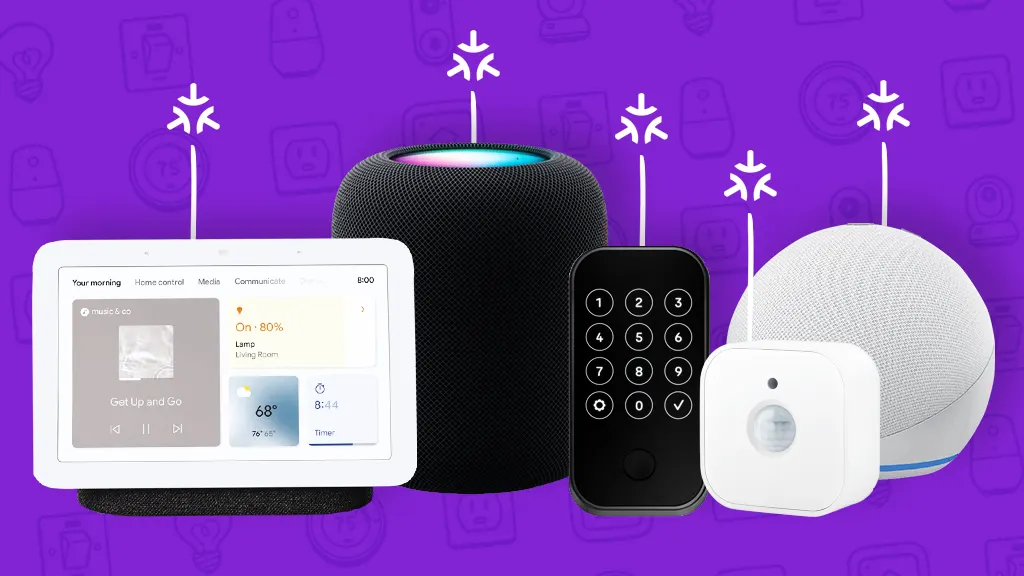
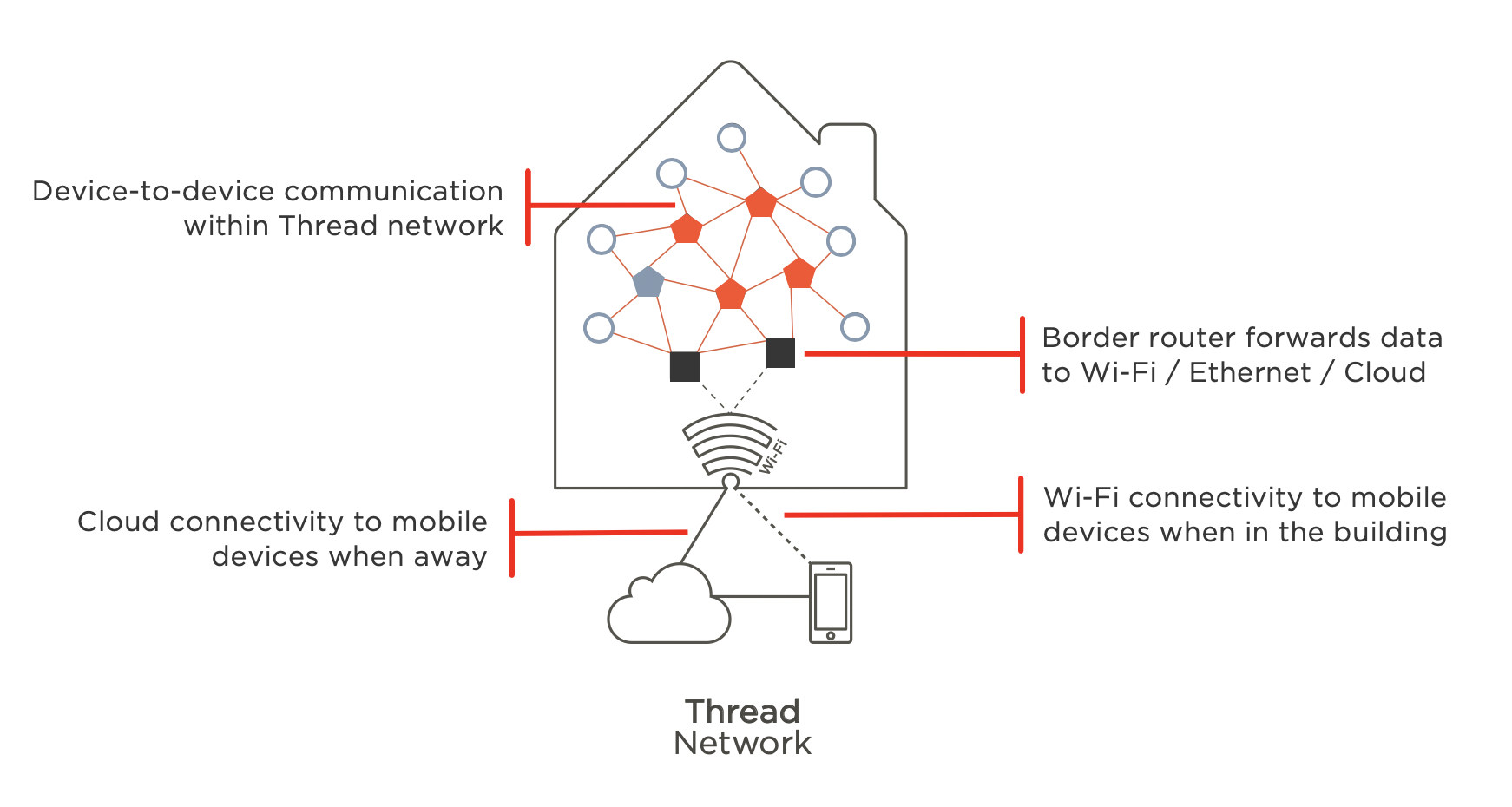
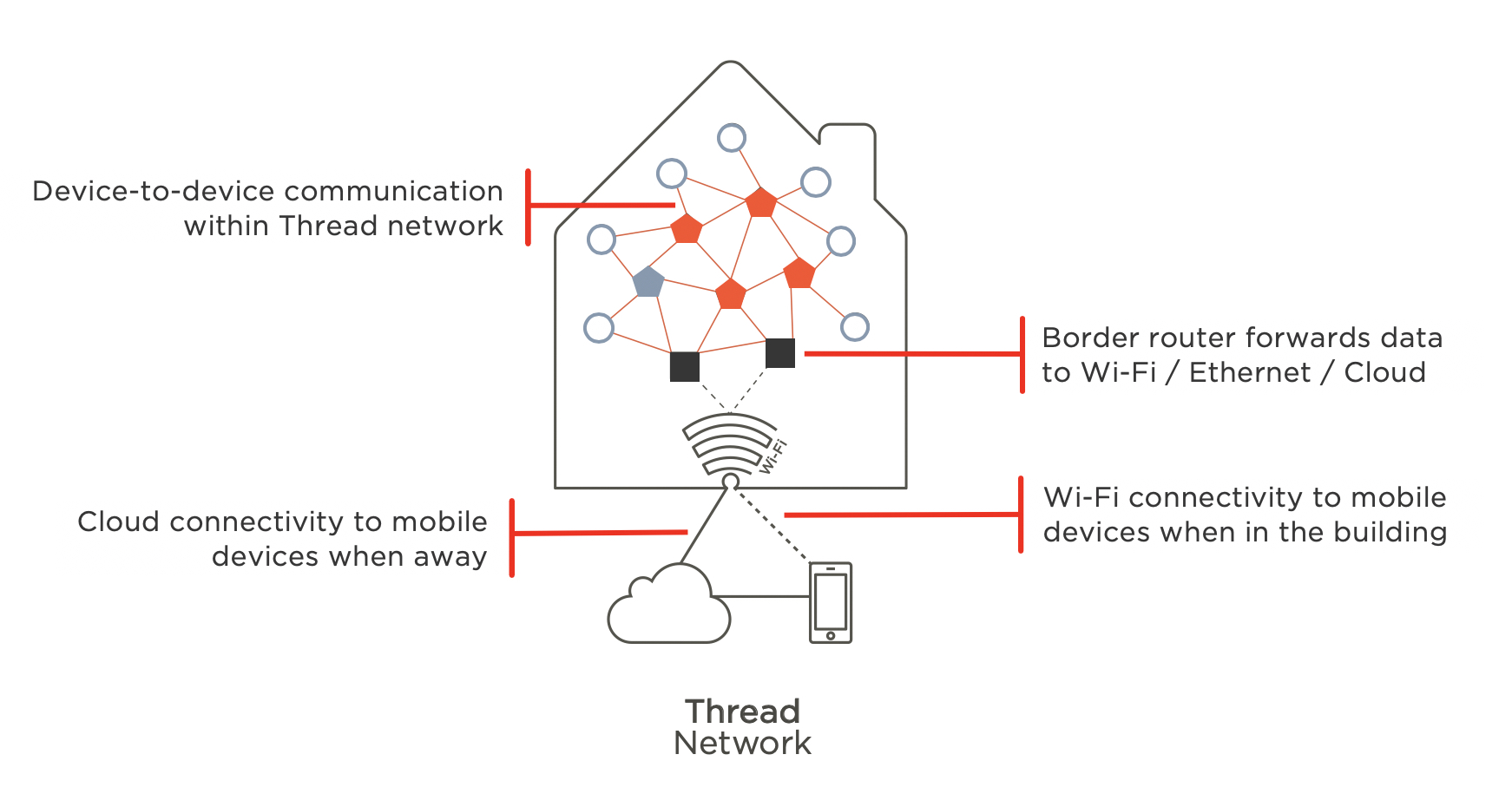
A central component of the Matter ecosystem is the Matter hub, also known as a border router. This device acts as a bridge between your Matter network and your existing smart home platforms. Existing hubs from Apple (Apple TV 4K), Amazon (Echo 4th Gen and newer), and Google (Nest Hub Max and newer) will receive updates to support Matter 2.0. These updates are crucial for ensuring compatibility with the latest devices.
However, not all existing devices will automatically work with Matter 2.0. Many manufacturers will need to release firmware updates to their products to enable Matter compatibility. The CSA website provides a list of certified Matter devices, which is a good place to check compatibility. It’s important to be realistic: upgrading your entire smart home to Matter will likely be a phased process.
The question of 'Will my existing devices work?' is a common one. The answer is: it depends. Devices that already support a Matter-compatible platform (like Apple HomeKit) are more likely to be easily upgraded. Devices that rely on proprietary protocols may require a new Matter-compatible hub or bridge to function. Careful planning and research are essential before investing in new Matter devices.
Smart Home Hub Matter Support: Current Status & 2026 Update
| Hub Name | Current Matter Support | 2.0 Update Status | Notable Limitations |
|---|---|---|---|
| SmartThings | Supports Matter devices via firmware updates (introduced in 2023). | Expected to receive updates to support expanded Matter 2.0 features in 2026. | Historically, some users have reported complexities in device onboarding and maintaining stable connections with certain Matter devices. |
| Hubitat Elevation | Supports Matter over Thread via a separate USB dongle (required). | Planning updates to leverage Matter 2.0 features, timeline not yet fully defined. | Requires a separate USB dongle for Matter over Thread functionality, adding to the overall cost and complexity. Limited native Matter support without the dongle. |
| Apple HomePod (mini/2nd gen) | Native Matter support; functions as a Matter border router. | Will benefit from Matter 2.0 improvements, enhancing interoperability with a wider range of devices. | Primarily focused on Apple’s ecosystem; integration with non-Apple Matter devices may have limited functionality compared to other hubs. |
| Amazon Echo (4th Gen & newer) | Supports Matter devices as a border router and controller. | Amazon has indicated plans to incorporate Matter 2.0 features in future updates, expected around 2026. | Historically, Amazon’s implementation of Matter has been criticized for requiring devices to be enrolled in Amazon’s cloud services. Some advanced features may be limited without an Amazon account. |
| Google Nest Hub (2nd gen & newer) | Supports Matter devices and acts as a border router. | Google is expected to release updates supporting Matter 2.0 enhancements in 2026. | While supporting Matter, full feature parity across all device types isn't yet consistently available. Some integrations may rely on Google Assistant. |
Illustrative comparison based on the article research brief. Verify current pricing, limits, and product details in the official docs before relying on it.
Beyond the Basics: New Use Cases Unlocked
Matter 2.0 isn’t just about making existing smart home devices work together better; it’s about unlocking new possibilities. The expanded device support opens the door to more complex automations and integrations. Imagine a scenario where a water leak detector automatically shuts off your main water valve, preventing costly damage. This is the kind of functionality that Matter 2.0 enables.
Integration with energy management systems is another exciting prospect. Matter 2.0 allows smart thermostats, smart plugs, and other energy-consuming devices to communicate seamlessly, optimizing energy usage and reducing your utility bills. You could create automations that automatically adjust your thermostat based on occupancy or time of day.
Improved support for security devices is also a key benefit. Matter 2.0 allows security cameras, door locks, and alarm systems to work together more effectively, providing a more comprehensive security solution. This could include automated alerts, remote access control, and integration with professional monitoring services. The potential is there for a truly intelligent and responsive home security system.
- Automated water shutoff based on leak detection.
- Optimized energy usage with smart thermostats and plugs.
- Comprehensive home security with integrated cameras and locks.
What It Means for Open Source Platforms
The open-source home automation community, particularly users of platforms like Home Assistant and OpenHAB, have been closely following the development of Matter. These platforms offer a high degree of customization and control, but often require significant technical expertise. Matter 2.0 has the potential to simplify integration with these platforms, making them more accessible to a wider audience.
Both Home Assistant and OpenHAB are actively working on Matter support. The goal is to allow users to seamlessly integrate Matter devices into their existing automations and dashboards. This will require ongoing development and testing, but the benefits are significant. The strong community support behind these platforms will be crucial for driving adoption.
For users of open-source platforms, Matter 2.0 offers the promise of greater interoperability and a more unified smart home experience. It also provides a standardized way to connect to a wider range of devices, reducing the need for custom integrations and workarounds. The open-source community is excited about the possibilities that Matter unlocks.
Troubleshooting & Common Pitfalls
Upgrading to Matter 2.0 won’t be without its challenges. Compatibility issues are likely to be the most common problem. Not all devices will work seamlessly together, and you may encounter difficulties connecting devices from different manufacturers. Carefully check the CSA’s certified device list before making any purchases.
Setup difficulties are another potential pitfall. While Matter 2.0 aims to simplify commissioning, you may still encounter issues with network connectivity or device pairing. Ensure your Wi-Fi network is stable and secure, and follow the manufacturer’s instructions carefully. The Matter website and online forums are good resources for troubleshooting.
Finally, be aware that firmware updates can sometimes introduce new bugs or instability. It’s always a good idea to back up your smart home configuration before updating any devices. If you encounter problems after an update, try reverting to the previous firmware version or contacting the manufacturer’s support team. Patience and persistence are key.
- Check the CSA certified device list for compatibility.
- Ensure a stable and secure Wi-Fi network.
- Back up your smart home configuration before updating firmware.
What happens after 2026
Matter 2.0 is a significant step forward, but it’s not the end of the story. The CSA is already working on future enhancements to the protocol, including support for new device types and improved security features. The long-term goal is to establish Matter as the universal standard for smart home interoperability.
We can expect to see continued improvements to the SDK and developer tooling, making it even easier for manufacturers to build Matter-compatible devices. The CSA is also exploring new ways to leverage the power of Matter to create more intelligent and responsive smart homes. While challenges remain, the trajectory is positive. Matter has the potential to transform the smart home landscape, making it more open, accessible, and user-friendly.

No comments yet. Be the first to share your thoughts!