

The state of the smart home in 2026
The smart home market has matured significantly. We’ve moved past the initial excitement of remote control of lights and thermostats. In 2026, the focus is on intelligent automation, driven by advances in artificial intelligence. Early smart homes were reactive – you issued a command, and something happened. Now, the goal is proactive assistance, anticipating your needs and automating tasks without explicit instruction.
The major players – Amazon with Alexa, Google with Assistant, and now OpenAI with ChatGPT – are all vying for dominance in this space. Amazon and Google have a head start with established ecosystems and voice-first interfaces. OpenAI is taking a different approach, positioning its large language models as the 'brains' behind home automation, integrating with existing platforms rather than trying to replace them entirely.
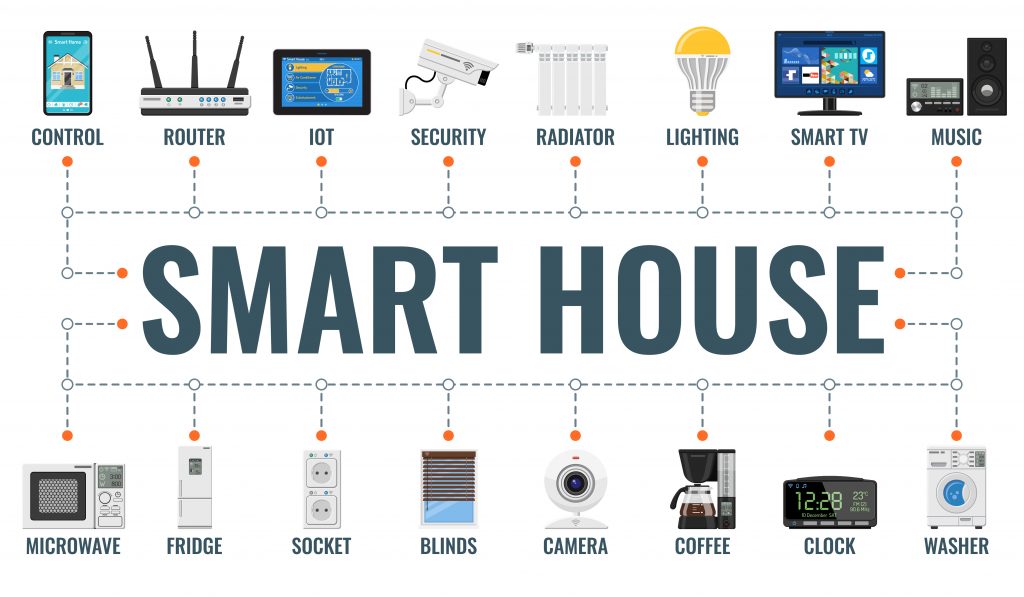
You don't need to trash your old gear. 2026 is about layering intelligence over the hardware you already own. It turns a basic 'lights on' command into something more specific. If I tell my house to 'get ready for a movie,' it knows to dim the lamps, kill the blinds, and drop the temperature to 68 degrees in one go.
The shift towards more conversational and proactive systems is fueled by improvements in natural language processing and machine learning. These technologies allow AI assistants to understand the intent behind your requests, even if they’re phrased in different ways. This leads to a more natural and intuitive user experience. I think we’ll see fewer rigid routines and more flexible, context-aware automation.
Using ChatGPT as the brain of your house
OpenAI is actively exploring ways to integrate its large language models (LLMs) like ChatGPT into the home automation space. The core idea is to leverage ChatGPT’s natural language understanding capabilities to create a more intuitive and flexible control system. Instead of learning specific voice commands, you could simply tell your home what you want, and ChatGPT would translate that into actions.
The advantages of using an LLM are significant. ChatGPT excels at understanding complex requests, handling ambiguity, and even chaining together multiple tasks. For example, you could say "I’m leaving for work, make sure everything is secure and energy efficient," and ChatGPT would handle locking the doors, turning off the lights, and adjusting the thermostat. This is far beyond the capabilities of traditional voice assistants.
However, there are also limitations. ChatGPT relies on an internet connection, which means it won’t work if your internet goes down. Latency can also be an issue, as it takes time for the model to process your request and generate a response. Another concern is the potential for "hallucinations" – where the model generates incorrect or nonsensical automation rules. Developers are working on mitigating these issues, but they remain a challenge.
Currently, integration with ChatGPT is primarily happening through APIs. Several companies are building platforms that allow developers to connect their smart home devices to ChatGPT. For instance, you might use a service to create a custom "skill" that allows ChatGPT to control your lights or thermostat. The Home Assistant community is very active in building these integrations. The OpenAI API pricing structure will play a big role in how widely this is adopted. As of late 2026, the cost per token remains a deterrent for very complex or frequent automations.
- ChatGPT interprets conversational commands without needing specific trigger phrases.
- Task Chaining: Handling multiple, related tasks with a single request.
- Personalization: Adapting to user preferences and learning from past interactions.
Alexa moves past basic voice commands
Alexa remains a dominant force in the smart home, largely due to its established ecosystem and broad device support. Amazon continues to invest heavily in improving Alexa’s capabilities, and in 2026, we’re seeing a significant push towards generative AI integration. Alexa can now summarize news articles, answer complex questions, and even generate creative content.
Amazon has introduced several new features aimed at making Alexa more proactive. "Hunches’ – where Alexa anticipates your needs based on your routines – have become more sophisticated. Alexa can now suggest actions like locking the doors if you’ve forgotten or turning off the lights if you"ve left for work. These suggestions are based on machine learning algorithms that analyze your behavior.
Routines have also been enhanced, allowing for more complex and customized automation scenarios. Amazon is also focusing on local processing, moving some of the AI processing to the device itself to improve responsiveness and reduce reliance on the cloud. This is a key area of development, as it addresses privacy concerns and ensures that Alexa continues to work even when the internet is down.
However, privacy remains a concern for many users. Amazon has been criticized for collecting and using user data, and while the company has taken steps to address these concerns – such as allowing users to review and delete their voice recordings – it’s still a valid issue. Amazon’s ongoing efforts to balance personalization with privacy will be critical to maintaining user trust. I’ve seen some users moving away from Amazon products due to these concerns.
- The 2026 Echo Show 15 has a faster camera for video calls and a more responsive screen.
- Alexa Guard Plus: Offers professional monitoring services and enhanced security features.
- Alexa Together: Provides remote assistance for elderly or disabled family members.
Featured Products

Includes Philips Hue Bridge and four Smart White and Color Ambiance bulbs · Control lighting via the Philips Hue app · Compatible with Alexa, Google Assistant, and Apple HomeKit
This starter kit offers a comprehensive introduction to smart lighting, allowing for voice control and customization of ambiance through popular AI assistants.
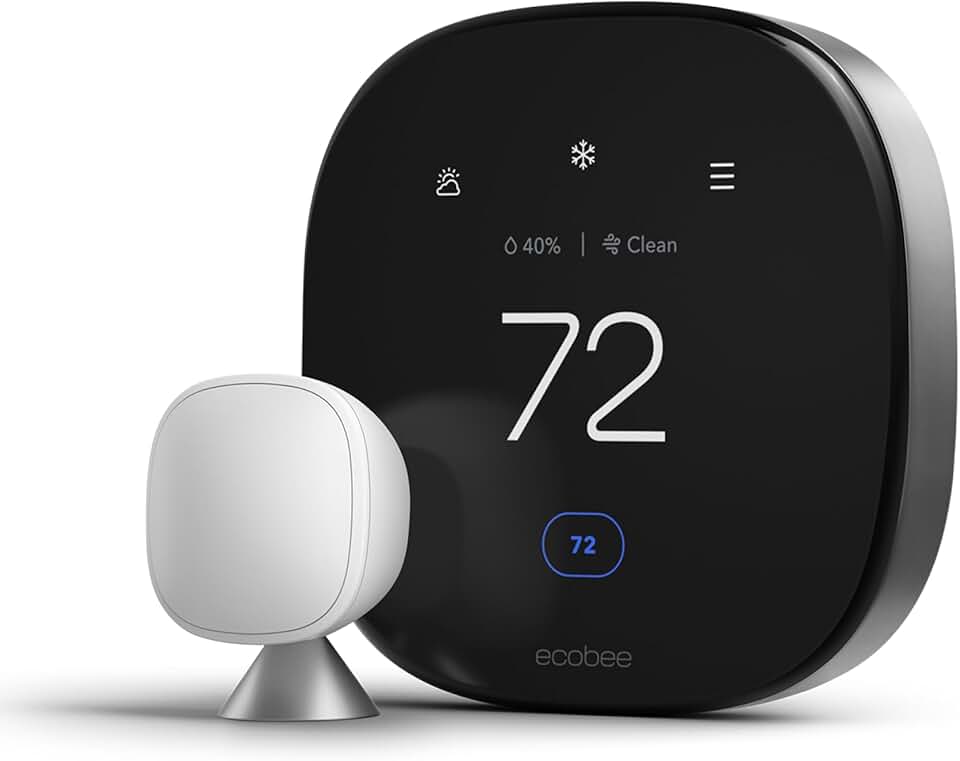
Smart thermostat with integrated Smart Sensor and Air Quality Monitor · Programmable and Wi-Fi enabled for remote control · Works with Siri, Alexa, and Google Assistant
The ecobee Smart Thermostat Premium provides intelligent climate control and air quality monitoring, integrating seamlessly with major AI voice assistants for effortless management.

Wired doorbell with 4K video and wide-angle view · 10x Enhanced Zoom and Low-Light Sight capabilities · Designed for home or business security
The Ring Wired Doorbell Pro enhances home security with advanced video features and AI-powered motion detection, controllable via Alexa.

Weatherproof wired security camera with 180° wide-angle view · 1080p HD video with night vision and two-way audio · Supports Apple HomeKit Secure Video with tilt for privacy
This Logitech camera offers robust security features and privacy controls, integrating with Apple HomeKit for AI-enhanced surveillance.

8.7-inch HD display with spatial audio · Designed for Alexa with a vibrant visual interface · Constructed with recycled content
The Amazon Echo Show 8 serves as a central hub for Alexa-powered smart home control, offering a visual interface for managing devices and accessing information.
As an Amazon Associate I earn from qualifying purchases. Prices may vary.
Google Assistant and the predictive home
Google Assistant differentiates itself by leveraging Google’s vast knowledge graph and user data. This allows it to provide more contextually relevant and proactive assistance. Google Assistant can understand your location, calendar, and preferences to anticipate your needs and offer helpful suggestions. If you frequently ask for traffic updates before your commute, Google Assistant will automatically provide them.
Google’s strength lies in its ability to predict what you want before you even ask. For example, if you’re leaving for a meeting, Google Assistant might suggest setting an alarm or sending a message to let others know you’re running late. This is based on Google’s understanding of your routines and habits. Google’s integration with other Google services – like Gmail and Calendar – is a key enabler of this functionality.
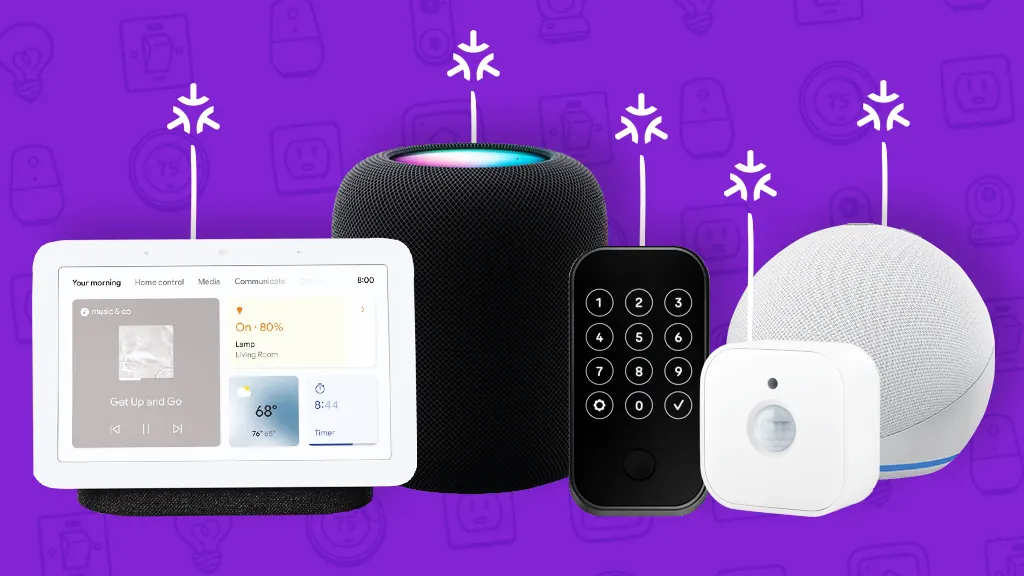
In terms of natural language understanding, Google Assistant is comparable to Alexa and ChatGPT. However, Google Assistant often excels at task completion, particularly when it involves accessing information from the web. Its deep integration with Google Search gives it a significant advantage in this area. Google's Matter support is also very robust, ensuring compatibility with a wide range of smart home devices.
One area where Google Assistant has lagged behind is in its customization options. While it offers a range of settings and preferences, it’s not as flexible as some other platforms. Google is working to address this, but it remains a challenge. I suspect that Google will focus on improving its proactive capabilities rather than offering a high degree of customization.
Integration Challenges and Open Source Alternatives
Integrating these AI platforms with existing smart home setups can be challenging. Not all devices are natively compatible with Alexa, Google Assistant, or ChatGPT. This can require the use of third-party integrations or "hubs" to bridge the gap. These integrations can sometimes be unreliable or require technical expertise to set up.
This is where open-source platforms like Home Assistant and OpenHAB come into play. These platforms offer a high degree of flexibility and customization, allowing you to connect a wide range of devices and create complex automation scenarios. They also provide a way to integrate with AI services like ChatGPT, giving you the best of both worlds.
Home Assistant, in particular, has seen a surge in popularity in recent years. Its active community and extensive documentation make it a powerful tool for DIY smart home enthusiasts. OpenHAB is another viable option, offering a similar level of flexibility and control. Both platforms require some technical knowledge to set up and maintain, but the benefits can be significant.
The trade-off between convenience and control is a key consideration. Managed solutions like Alexa and Google Assistant are easier to set up and use, but they offer less flexibility and privacy. Open-source platforms require more effort, but they give you complete control over your data and automation rules. Choosing the right approach depends on your technical skills and your priorities.
- Step 1: Identify your existing smart home devices and their compatibility with AI platforms.
- Step 2: Choose an AI platform (Alexa, Google Assistant, ChatGPT) or an open-source platform (Home Assistant, OpenHAB).
- Step 3: Set up the platform and connect your devices.
- Step 4: Create automation scenarios using the platform’s interface or scripting language.
DIY vs. Managed Solutions: A Decision Matrix
Choosing between a DIY smart home with open-source software and a managed solution from Amazon, Google, or OpenAI is a significant decision. Here’s a breakdown of the key factors to consider. Cost is a major factor. DIY solutions can be cheaper upfront, but they require more time and effort to set up and maintain. Managed solutions are more expensive, but they offer convenience and support.
Complexity is another important consideration. DIY solutions are more complex to set up and require technical expertise. Managed solutions are easier to use, but they offer less flexibility. Customization is a key advantage of DIY solutions. You can tailor the system to your exact needs and preferences. Managed solutions offer limited customization options.
Privacy is a major concern for many users. DIY solutions give you complete control over your data, while managed solutions collect and use your data for various purposes. Maintenance is an ongoing task for both types of solutions. DIY solutions require regular updates and troubleshooting, while managed solutions are typically maintained by the provider.
Ultimately, the best approach depends on your individual needs and priorities. If you’re a tech-savvy user who values privacy and customization, a DIY solution might be the best choice. If you’re looking for convenience and ease of use, a managed solution might be a better fit. A hybrid approach – using a managed platform for basic automation and a DIY platform for more complex tasks – is also a viable option.
- Cost: DIY (Lower upfront, higher time investment), Managed (Higher upfront, lower time investment)
- Complexity: DIY (High), Managed (Low)
- Customization: DIY (High), Managed (Low)
- Privacy: DIY (High control), Managed (Lower control)
Future Trends: What's Next for AI Home Automation?
The future of AI in the smart home is incredibly exciting. We can expect to see more personalized and proactive automation, with AI assistants anticipating our needs and automating tasks without explicit instruction. The integration of AI with robotics will also be a major trend, with robots handling more complex tasks like cleaning, cooking, and security.
Edge computing will play an increasingly important role, allowing more AI processing to be done locally on devices rather than in the cloud. This will improve responsiveness, reduce latency, and enhance privacy. We’ll likely see more sophisticated AI algorithms that can understand and respond to our emotions and moods.
AI will also play a bigger role in energy management and sustainability. Smart homes will be able to optimize energy consumption based on our habits and preferences, reducing our carbon footprint and saving us money. The combination of AI and renewable energy sources will be particularly powerful.
I’m particularly interested in seeing how AI will be used to create more accessible and inclusive smart homes. AI can help people with disabilities to live more independently and improve their quality of life. The potential for AI to transform the smart home is enormous, and we’re only just beginning to scratch the surface.
AI-Powered Home Automation Software Comparison 2026
| Feature | ChatGPT (via Custom Integrations) | Alexa | Google Assistant | Home Assistant |
|---|---|---|---|---|
| Setup Difficulty | High - Requires significant technical expertise and coding to integrate with home automation systems. | Low - Generally straightforward, especially with compatible devices. | Low - Similar to Alexa, easy setup with Google ecosystem. | Medium to High - Requires technical aptitude; can be complex depending on hardware and integrations. |
| Customization Level | Very High - Offers unparalleled flexibility through API access and custom prompt engineering, allowing for highly tailored automation scenarios. | Medium - Limited to pre-defined skills and routines; customization is constrained by Amazon’s ecosystem. | Medium - Similar to Alexa, customization options are within the Google ecosystem. | Very High - Extremely customizable; allows for complex automations and integration with a vast range of devices and services. |
| Privacy Control | Moderate - Data handling depends on the specific integration and OpenAI’s privacy policies. User data is sent to OpenAI servers. | Low - Amazon collects significant user data for personalization and advertising. | Low - Google collects significant user data for personalization and advertising. | High - Local control options minimize reliance on cloud services; user data remains primarily on the local network. |
| Ongoing Maintenance | High - Requires continuous monitoring, updates, and troubleshooting of integrations and custom code. | Low - Managed by Amazon; updates and maintenance are handled automatically. | Low - Managed by Google; updates and maintenance are handled automatically. | Medium - Requires regular updates to the Home Assistant software and potentially custom integrations. |
| Device Compatibility | Variable - Dependent on available APIs and integrations developed by third parties. Broad compatibility is not guaranteed. | High - Excellent compatibility with a wide range of devices certified for 'Works with Alexa'. | High - Excellent compatibility with a wide range of devices certified for 'Works with Google Assistant'. | Very High - Supports a vast array of devices and protocols through integrations and community-developed components. |
| Cost | Variable - Costs associated with OpenAI API usage (token-based pricing) and potential development/maintenance time. | Low - Cost of the device itself; optional subscription services for enhanced features. | Low - Cost of the device itself; optional subscription services for enhanced features. | Low - Primarily the cost of hardware; no recurring subscription fees, but potential costs for cloud services if used. |
Illustrative comparison based on the article research brief. Verify current pricing, limits, and product details in the official docs before relying on it.

No comments yet. Be the first to share your thoughts!