

Smart home tech in 2026
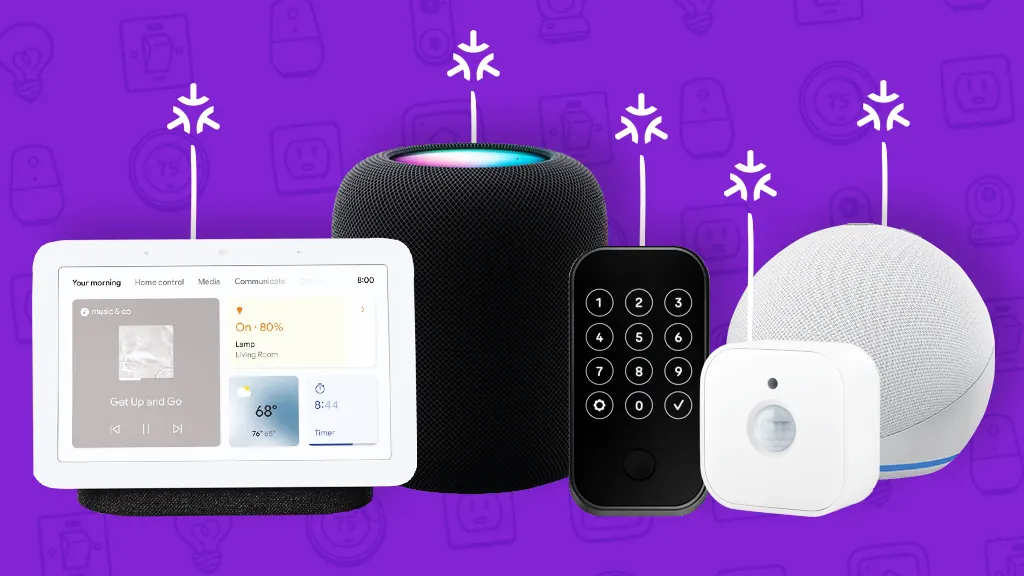
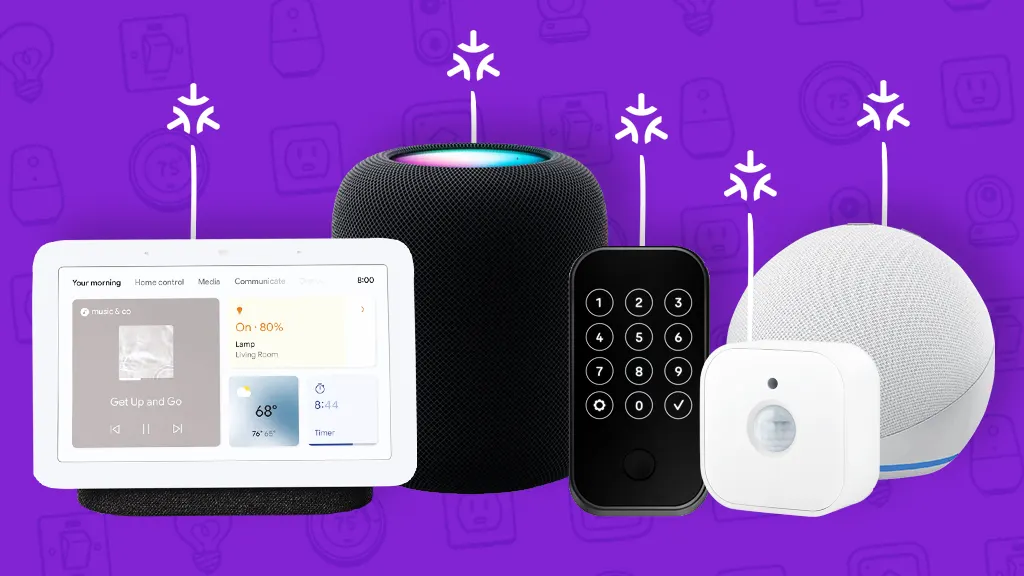
Heading into 2026, the smart home market isn’t about simply adding more gadgets. The focus has decisively shifted to seamless integration and intelligent automation. We’ve seen a maturation over the last year, moving past the initial excitement of "cool factor" to a demand for genuine utility and interoperability. The biggest trend is, without question, the continued adoption of Matter, though fragmentation remains a challenge.
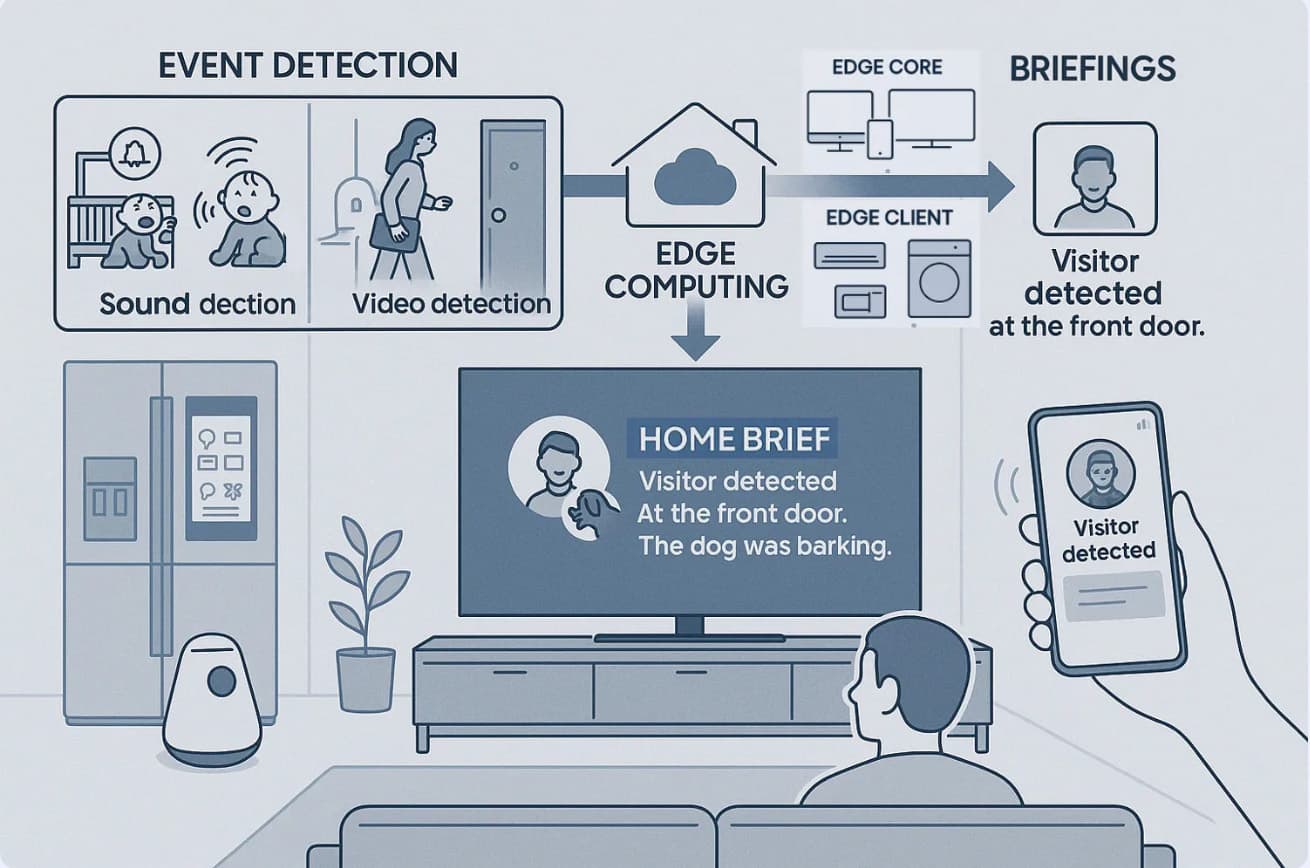
AI integration is also accelerating. It’s no longer enough for a device to be "smart"; it needs to be predictive and adaptive. Edge computing is playing a larger role, too, processing data locally to improve responsiveness and address privacy concerns. This is a direct response to user anxieties around cloud dependence and data security.
Speaking of security, it’s a constant conversation. The more connected our homes become, the bigger the target they present. Privacy is paramount. Users are increasingly aware of what data their devices are collecting and how it’s being used. It’s driving demand for local control and end-to-end encryption. The days of blindly trusting a device manufacturer are over.
For tech enthusiasts, 2026 represents a sweet spot. The core technologies are solidifying, the ecosystem is becoming more open, and there’s a growing community of developers and tinkerers pushing the boundaries of what’s possible. It’s a great time to build a truly customized and intelligent home environment.
The best hubs for enthusiasts
The smart home hub is the central nervous system, and choosing the right one is critical. Home Assistant continues to be the darling of the tech enthusiast crowd. Its open-source nature allows for unparalleled customization and control. You can run it on a Raspberry Pi or a dedicated server, and integrate it with virtually any device. However, it demands a significant time investment and a willingness to troubleshoot.
Hubitat Elevation is a strong contender for those who prioritize local control and privacy. It doesn’t rely on the cloud, meaning your data stays within your network. It’s less flexible than Home Assistant but offers a more user-friendly experience. It excels at reliably managing core home automation functions without outside interference.
Apple HomeKit is the easiest to use if you already own an iPhone. It keeps your data off the cloud more effectively than most, but Apple is picky about which hardware it allows. Matter helps, but you'll still find more compatible gadgets for Alexa or Google.
Samsung SmartThings offers the broadest compatibility of the major hubs, supporting a wide range of devices and protocols. It’s a good option for users who want a plug-and-play experience, but it’s also more reliant on the cloud. The recent migration to the new SmartThings platform has had a rocky rollout, with some users reporting stability issues. Matter adoption is ongoing, but still not fully realized.
Smart Home Automation Platform Comparison - 2026
| Platform | Local Control | Customization | Matter Support | Privacy |
|---|---|---|---|---|
| Home Assistant | Excellent - Primarily designed for local control. | Extremely High - Open source with a vast community and extensive integrations. | Strong - Actively developing and integrating Matter support. | High - User controls data; relies on self-hosting and responsible configuration. |
| Hubitat Elevation | Excellent - Core functionality operates entirely locally. | High - Offers significant customization through Groovy scripting and apps. | Good - Has implemented Matter support, but integration breadth may vary. | Good - Focuses on local processing, minimizing cloud dependency. |
| Apple HomeKit | Limited - Requires Apple Home Hub (HomePod, Apple TV, iPad) for remote access and automation; some functionality relies on iCloud. | Moderate - Customization is possible through Shortcuts, but is more constrained than open-source options. | Strong - Apple is a key driver of Matter adoption and offers robust compatibility. | Moderate - Apple has privacy-focused policies, but data is processed through Apple's ecosystem. |
| SmartThings | Moderate - While offering local execution for some automations, cloud connectivity is central to the system. | Moderate - Offers a good level of customization through Rules API and integrations, but less flexible than Home Assistant. | Good - Supports Matter devices, expanding interoperability. | Moderate - Samsung collects usage data; privacy relies on Samsung’s policies. |
| OpenHAB | Excellent - Designed for local control and operation. | Very High - Highly customizable, utilizing a rules engine and extensive binding system. | Developing - Matter support is actively being implemented and improved. | High - Open source, giving users control over their data and system. |
Illustrative comparison based on the article research brief. Verify current pricing, limits, and product details in the official docs before relying on it.
Sensors for more than just motion
We’ve moved past the days of simple motion sensors. Environmental sensors are becoming increasingly sophisticated. Devices like the Aqara Temperature and Humidity Sensor, costing around $25, provide detailed data on indoor climate conditions. Air quality sensors, such as the Awair Element ($200), monitor levels of pollutants like CO2 and particulate matter. This data can be used to trigger automated actions, like turning on an air purifier.
Leak detectors are another essential addition, especially for homeowners. The Govee Water Leak Detector ($30) can alert you to potential plumbing issues before they cause significant damage. More advanced sensors utilize mmWave radar technology to detect occupancy without relying on cameras. These sensors, like those from Waldere ($300+), can even sense breathing patterns and movements through walls, raising privacy concerns that need careful consideration.
The intelligence of these sensors is increasing. They’re not just collecting data; they’re analyzing it and learning your patterns. Some sensors can now differentiate between a person and a pet, or identify specific activities based on movement patterns. This level of detail opens up exciting possibilities for truly personalized automation.
However, this increased sophistication comes with privacy implications. It’s crucial to understand what data your sensors are collecting and how it’s being used. Look for sensors that offer local data storage and end-to-end encryption. Be mindful of the potential for data breaches and unauthorized access.
Featured Products

Monitors temperature and humidity · Requires Aqara Hub for automation · Compatible with Apple HomeKit, Alexa, and IFTTT
This 3-pack of sensors provides comprehensive environmental monitoring and integrates seamlessly with popular smart home ecosystems for advanced automation.

Measures temperature and humidity · Bluetooth connectivity with 164ft app control · Stores and exports up to 2 years of data
The Govee H5075 offers convenient remote monitoring of your indoor environment with long-term data logging capabilities at an accessible price point.

Monitors indoor air quality (VOC), temperature, and humidity · Utilizes Apple HomeKit Technology · Connects via Bluetooth and Thread
Eve Room provides detailed insights into your home's air quality, temperature, and humidity, integrating directly with Apple HomeKit for smart home control.

Detects water leaks · Utilizes ZigBee protocol · Battery-powered and compatible with SmartThings Hub
This water leak sensor offers peace of mind by alerting you to potential water damage, integrating easily into a SmartThings-based smart home.

Detects water leaks, freezing temperatures, and ambient temperature · Uses Z-Wave Plus protocol · Compact and battery-powered design
The Fibaro Flood Sensor provides multi-faceted environmental protection, detecting water leaks and temperature extremes to safeguard your home.
As an Amazon Associate I earn from qualifying purchases. Prices may vary.
Automated lighting and shades
Smart lighting has evolved beyond simply changing colors. Adaptive lighting, which adjusts color temperature throughout the day to match your circadian rhythm, is becoming increasingly popular. Philips Hue, a long-time leader in the space, offers a wide range of bulbs and fixtures that support this feature. Nanoleaf Shapes ($200+) provide a more artistic approach, allowing you to create custom lighting designs.
Smart shades and blinds add another layer of automation. Lutron Serena Shades ($400+) are known for their reliability and quiet operation. They can be integrated with lighting systems to create automated scenes, such as "movie night’ or ‘wake up". These systems can significantly contribute to energy savings by automatically adjusting shades to block out sunlight during the hottest part of the day.
The integration of lighting with wellness features is an emerging trend. Some systems can now simulate sunrise and sunset, helping to regulate your sleep-wake cycle. Others can adjust lighting to improve mood and focus. These features are still relatively new, but they have the potential to significantly enhance your overall well-being.
Energy savings are a major benefit of smart lighting and shades. By automating these systems, you can reduce your energy consumption and lower your utility bills. The initial investment can be significant, but the long-term savings can be substantial.
Security: Smarter Than Ever
Modern security cameras use basic AI to tell the difference between a swaying tree branch and a person on your porch. Ring and SimpliSafe are the standard choices here. Most of their newer models include facial recognition, which stops your phone from buzzing every time the dog walks past the camera.
AI-powered security is also being used to analyze video footage in real-time, identifying suspicious activity and alerting you immediately. Some systems can even predict potential threats based on historical data. However, it’s important to note that these features are not foolproof and can be prone to errors.
Security systems that offer local storage options are gaining popularity, as users become increasingly concerned about privacy. These systems store video footage on a local hard drive, rather than in the cloud. This gives you more control over your data, but it also requires you to be responsible for its security. Wyze Cam v3 ($36) is a popular choice for affordable local storage.
End-to-end encryption is another crucial security feature. This ensures that your video footage is encrypted from the moment it’s recorded until it’s viewed. Look for systems that support end-to-end encryption to protect your privacy. The debate around cloud-based security and vulnerabilities continues, so prioritizing local control and strong encryption is vital.

REOLINK Security Cameras Outdoor Wireless WiFi, Argus 3 Pro+Solar Panel with 5MP Color Night Vision, 2.4G/5Ghz WiFi, Non-Stop Solar Powered, Human/Vehicle Detection, Home Hub Compatible
- 5MP Color Night Vision
- 2.4/5GHz WiFi Connectivity
- Includes Solar Panel for Non-Stop Power
- Human and Vehicle Detection
- Home Hub Compatible
The REOLINK Argus 3 Pro stands out for tech enthusiasts with its advanced AI detection, including person and vehicle recognition, and the convenience of non-stop solar power. Its compatibility with home hubs and emphasis on local storage options make it an excellent choice for those who value privacy and robust control over their smart home security.
View on Amazon →As an Amazon Associate I earn from qualifying purchases.
Entertainment: Whole-Home Audio & Control
Whole-home audio systems have become increasingly sophisticated, with Sonos leading the charge. Sonos speakers can be grouped together to create a seamless audio experience throughout your home. They integrate with a wide range of streaming services and voice assistants. However, Sonos has faced criticism for its closed ecosystem and software update policies.
Universal remotes, like the Logitech Harmony Elite (discontinued, but still available used), remain a popular option for controlling multiple entertainment devices from a single interface. However, they can be complex to set up and maintain. Voice control is becoming more prevalent, but it’s still limited in its ability to handle complex commands.
Spatial audio and immersive sound experiences are gaining traction. Dolby Atmos and DTS:X are technologies that create a more realistic and immersive soundstage. These technologies require compatible speakers and audio equipment. Integrating these systems with other smart home devices can be challenging, as compatibility is often limited.
The biggest challenge in whole-home entertainment is controlling multiple devices from a single interface. There’s no universal standard, and each manufacturer has its own proprietary system. This can lead to frustration and complexity. Voice control offers a potential solution, but it’s still not perfect.
Managing energy and costs
Smart thermostats, such as the ecobee Smart Thermostat Premium ($250), learn your heating and cooling patterns and adjust the temperature accordingly. They can also be controlled remotely via a smartphone app. Smart plugs, like those from TP-Link Kasa ($20), allow you to control individual appliances and devices. They can be used to turn off lights and electronics when they’re not in use.
Energy monitoring systems, like Sense ($250), track your energy consumption in real-time. They can identify which appliances are using the most energy and provide insights into how you can save money. Integrating these systems with renewable energy sources, such as solar panels, can further reduce your carbon footprint.
Smart homes have the potential to contribute to a more sustainable future by reducing energy consumption and promoting energy efficiency. By automating energy-intensive tasks, such as heating and cooling, you can significantly lower your environmental impact. The initial investment can be substantial, but the long-term benefits are well worth it.
New technologies, such as demand response programs and virtual power plants, are emerging in this space. These programs allow utilities to remotely adjust your energy consumption during peak demand periods, helping to stabilize the grid and reduce the need for fossil fuel-powered power plants.

No comments yet. Be the first to share your thoughts!