

AI Home Tech at CES 2026
Artificial intelligence is now the core of the smart home. At CES 2026, AI integration was evident across all device categories, from kitchen appliances to security systems.
The Matter standard is driving increased interoperability. Devices from different manufacturers are now working together more seamlessly, ending years of fragmented ecosystems and giving consumers more brand choice.
LG's ovens use AI to recognize food and adjust cooking settings. Dreo's climate systems learn user preferences to optimize energy use. Appliances are moving beyond basic 'smart' functions to become proactively intelligent.
Gizmodo noted that Matter finally gained traction at CES 2026, signaling an industry turning point. The show floor buzzed with optimism that a truly connected home is now achievable.

Smart Kitchens: AI Takes Control
The kitchen is becoming the central hub of the AI-powered smart home. LG's ovens, shown at CES 2026, use AI to identify food and suggest cooking parameters. Place a pizza inside, and the oven automatically sets the temperature and timer for a perfect bake.
AI-powered refrigerators now manage inventory, track expiration dates, and alert users when items are low. Some models suggest meals based on available ingredients, reducing food waste and simplifying meal planning.
Smart dishwashers use AI to optimize water usage and cleaning cycles based on load size and soil level, saving water and energy while extending dish life. These systems adapt to user needs.
AI-driven food waste reduction beyond inventory management is still developing but shows significant potential. AI can analyze consumption patterns to suggest waste minimization strategies, with more advancements expected in the coming years.
Amazon offers smart kitchen appliances integrated with Alexa, providing voice control for easy kitchen management.
- Amazon Smart Oven: Offers scan-to-cook functionality and voice control.
- Samsung Bespoke Refrigerator: Features AI-powered inventory management and meal suggestions.
- Bosch Dishwasher with CrystalDry: Utilizes AI to optimize washing and drying cycles.
Featured Products

InstaView Door-in-Door with transparent glass panel · Craft Ice slow-melting round ice maker · ThinQ AI technology for smart diagnostics and control
This LG refrigerator leverages AI for smart diagnostics and offers unique features like InstaView and Craft Ice for ultimate kitchen convenience.

No Preheat Air Fry for healthier, faster meals · Convection cooking for even baking and roasting · SmartThings connectivity for remote control and monitoring
The Samsung Smart Range revolutionizes cooking with AI-powered No Preheat Air Fry and convection, controllable remotely via SmartThings.

Element IQ system intelligently adjusts power for precise cooking · Compact countertop design · Functions as a toaster, oven, and broiler
The Breville Mini Smart Oven uses an Element IQ system to intelligently manage cooking, offering versatile functionality in a compact design.

One-touch automated milk texturing with the Auto MilQ system · Intuitive touchscreen interface for espresso customization · Precise temperature and pressure control for optimal extraction
The Breville Barista Touch Impress simplifies espresso making with AI-assisted milk texturing and an intuitive touchscreen for perfect coffee every time.

Counter-depth design for a built-in look · Internal water dispenser · Fingerprint-resistant stainless steel finish
This GE Profile refrigerator offers a sleek counter-depth design and convenient internal dispensing, enhancing both aesthetics and functionality.
As an Amazon Associate I earn from qualifying purchases. Prices may vary.
Adaptive Climate: Beyond the Smart Thermostat
Dreo's adaptive climate systems go beyond traditional smart thermostats. They use AI to learn heating and cooling preferences based on user behavior, occupancy, sunlight, and weather forecasts.
These systems proactively adjust settings for optimal comfort and energy efficiency, anticipating user needs rather than just following a schedule. This offers a more intelligent and responsive approach to climate control.
Climate control is integrating with smart windows and blinds, which automatically adjust to block sunlight during peak hours, reducing heat gain and cooling costs. Whole-home systems are becoming more common.
Detecting individual room occupancy is an emerging trend. Sensors adjust temperature in occupied rooms, avoiding energy waste in empty spaces and offering significant savings.
Security Reimagined: AI-Powered Home Protection
AI is revolutionizing home security with advanced threat analysis beyond simple motion detection. Smart cameras use object recognition to distinguish between people, pets, vehicles, and packages, reducing false alarms and improving alert accuracy.
AI alarm systems detect unusual activity like forced entry or suspicious sounds, automatically alerting authorities. They can learn household routines to identify anomalies, such as unusual activity during a vacation, that might signal a breach.
Privacy implications of constant monitoring and data collection warrant consideration due to potential misuse or unauthorized access. Users should review security provider privacy policies to ensure data protection.
Facial recognition features identify authorized individuals for access. While convenient, this raises privacy concerns that require understanding how the data is stored and used.
Ring and SimpliSafe are investing heavily in AI security features, offering homeowners more intelligent and proactive protection. The trend is toward sophisticated, automated security solutions.
AI-Powered Home Security Systems - 2026 Comparison
| Brand | AI Features | Privacy Controls | Integration with other Smart Home Devices | Cost (approximate monthly fee) |
|---|---|---|---|---|
| SimpliSafe | Advanced object recognition to differentiate between people, pets, and vehicles; Person detection with customizable alerts. | End-to-end encryption; Local processing options for some features; User control over data sharing. | Works with Amazon Alexa and Google Assistant; Expanding Matter support reported at CES 2026. | Approximately $18 - $28/month |
| Ring Alarm Pro | 3D Motion Detection; Bird’s Eye View for enhanced perimeter monitoring; Facial recognition (optional and user-enabled). | Encrypted video storage; Customizable privacy zones; Two-factor authentication. | Native integration with Amazon ecosystem; Works with Alexa; Matter compatibility improving. | Approximately $20 - $35/month |
| Abode | Intelligent threat detection utilizing machine learning; Package detection with notifications; Smart automation based on security events. | Local storage options available; Data encryption; User-defined privacy settings. | Integrates with Apple HomeKit, Google Assistant, and Amazon Alexa; Strong Matter support. | Approximately $25 - $40/month |
| Cove | AI-powered false alarm reduction; Real-time crime alerts based on location; Enhanced video analytics. | Encrypted communication; Limited data sharing; Focus on local processing. | Compatible with Google Assistant and Amazon Alexa; Matter support is developing. | Approximately $15 - $30/month |
| Vivint | AI-powered video analytics for identifying suspicious activity; Smart deterrence features; Proactive monitoring with quick response. | Data encryption; User control over data access; Privacy-focused features. | Integrates with a wide range of smart home devices within the Vivint ecosystem; Limited third-party integration. | Approximately $40 - $70/month |
Illustrative comparison based on the article research brief. Verify current pricing, limits, and product details in the official docs before relying on it.
Entertainment Elevated: AI Curates Your Experience
AI is transforming home entertainment, making it more personalized and immersive. Smart TVs learn viewing habits to recommend content, eliminating endless scrolling and aiding discovery of new shows and movies.
AI sound systems optimize audio based on room acoustics and listener preferences. They analyze room dimensions to adjust sound output for a more balanced and immersive experience.
Some systems create personalized playlists or lighting scenes based on content. A horror movie might trigger darker lighting, while a romantic comedy could create a warmer atmosphere.
undefined gaming experiences.
AI-Enhanced Home Entertainment
- Personalized Content Discovery - Utilizing machine learning, platforms like YouTube TV and Netflix now offer increasingly refined recommendations based on viewing history, time of day, and even emotional cues detected through facial recognition (where opted-in).
- Adaptive Audio with Sonos - Sonos speakers, leveraging their core audio processing and AI, dynamically adjust sound profiles based on room acoustics and the content being played. This includes optimizing for speech clarity during podcasts or creating a wider soundstage for action movies.
- Automated Ambiance Lighting (Philips Hue & Nanoleaf) - Integration with AI assistants allows for lighting scenes to change automatically based on the content displayed on your TV. For example, lights can dim during movies or shift colors to complement on-screen action, using features available through the Hue Sync and Nanoleaf Shapes.
- Advanced Voice Control (Amazon Alexa & Google Assistant) - Voice assistants are becoming more conversational and context-aware. They can now handle more complex requests related to entertainment, such as 'Play something similar to this show' or 'Find action movies starring that actor'.
- AI-Driven Gaming Experiences (Nvidia GeForce Now & Xbox Cloud Gaming) - Cloud gaming services are utilizing AI to optimize streaming quality based on network conditions and to provide features like automatic game tagging and personalized game recommendations.
- Real-Time Content Summarization (Samsung Smart TVs) - Select Samsung Smart TV models now incorporate AI to provide summaries of news articles or lengthy video content, allowing viewers to quickly grasp the main points before committing to watching the entire program.
- Intelligent Camera Director (OBS Ninja & similar) - For streamers and content creators, AI-powered camera direction tools automatically switch between camera angles and apply visual effects, enhancing the production value of live streams and recordings.
The Rise of Predictive Maintenance
Predictive maintenance is an emerging area in the smart home space with the potential to save homeowners a significant amount of money and hassle. The idea is to use sensors and AI to monitor appliance performance and identify potential issues before they lead to breakdowns.
This could involve sensors that track motor vibrations, temperature fluctuations, or energy consumption. AI algorithms can then analyze this data to detect anomalies that might indicate an impending failure. For example, a sensor might detect that a washing machine motor is starting to overheat.
While this technology is still in its early stages, the potential benefits are clear. Proactive maintenance can prevent costly repairs, extend the life of appliances, and reduce the risk of unexpected disruptions. I’m not sure how widely available these systems are yet, but several companies are actively developing them.
The NAR (National Association of Realtors) highlighted this trend at CES 2026, noting that proactive maintenance could become a key selling point for smart homes. A home with a history of well-maintained appliances is likely to be more attractive to potential buyers.
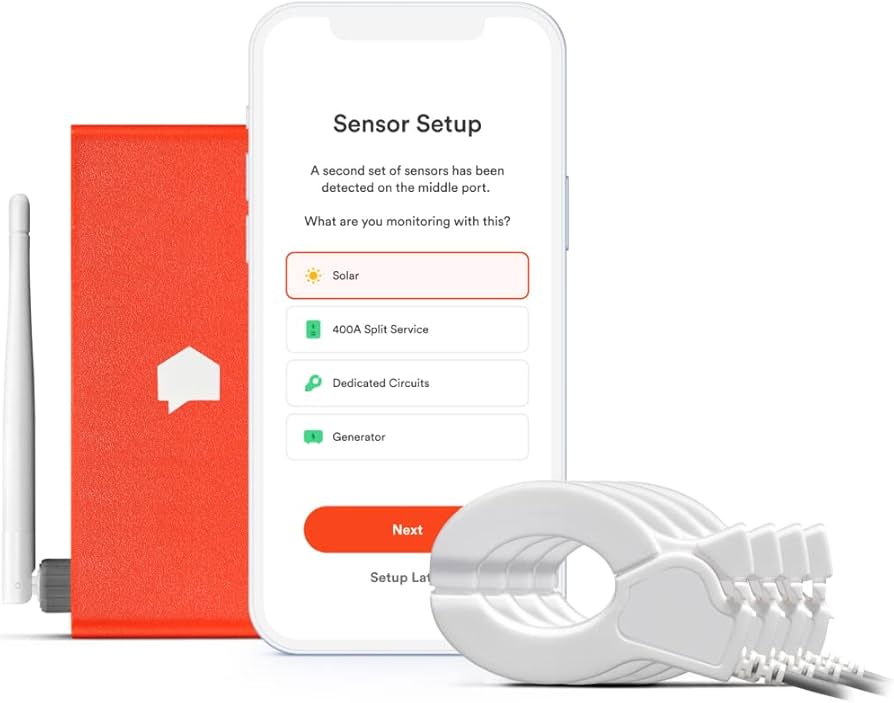
Sense Home Energy Monitor
- Real-time energy usage tracking for individual appliances
- AI-powered insights into energy consumption patterns
- Alerts for unusual activity and potential appliance issues
The Sense Home Energy Monitor uses AI to not only track your home's energy use but also to identify individual appliances and alert you to potential problems, offering a glimpse into predictive maintenance for your smart home.
View on Amazon →As an Amazon Associate I earn from qualifying purchases.
Matter and Interoperability: A Turning Point?
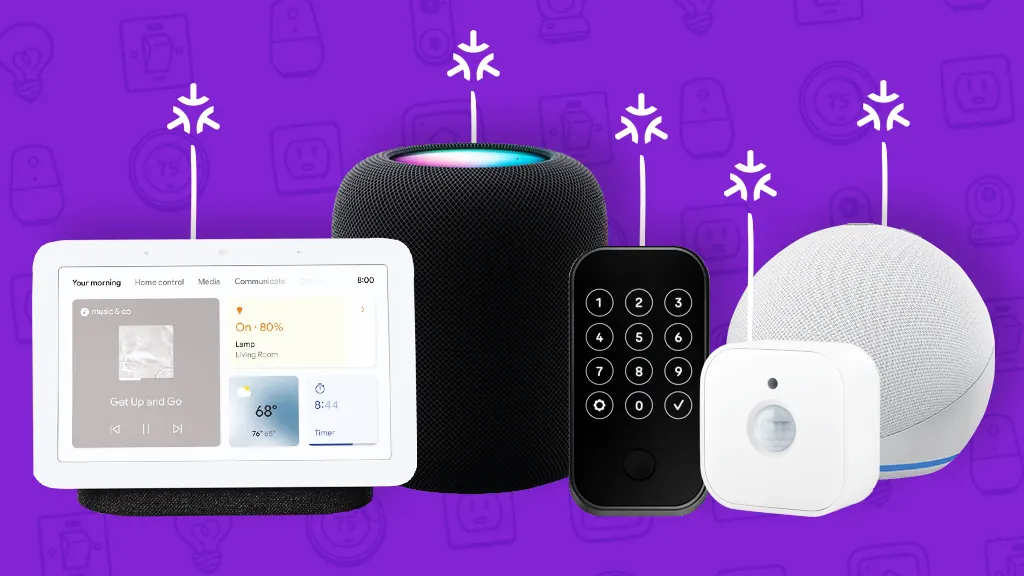
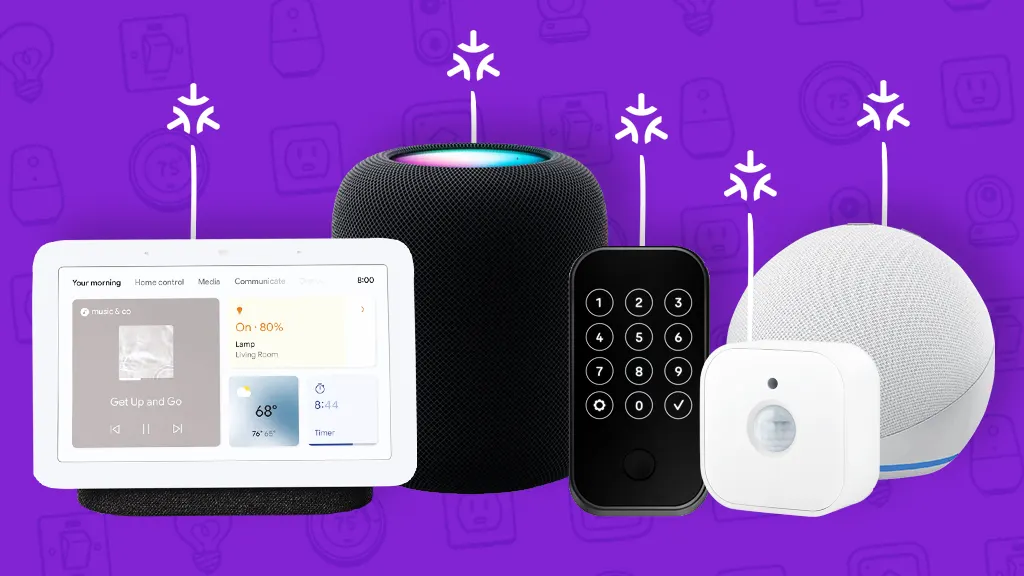
The Matter standard is arguably the most important development in the smart home space in recent years. It aims to create a unified connectivity standard that allows devices from different manufacturers to work together seamlessly. This solves a long-standing problem of fragmentation and incompatibility.
While Matter has made significant progress, it’s not a perfect solution. There are still some compatibility issues and limitations. Not all devices support Matter yet, and some features may not work across all platforms. However, the momentum is clearly in favor of Matter.
The benefits of a unified smart home ecosystem are substantial. It simplifies setup, reduces the need for multiple apps and hubs, and provides a more consistent user experience. It also gives consumers more freedom to choose devices from different brands without worrying about compatibility.
However, concerns about vendor lock-in and data privacy remain. Some users are wary of sharing their data with large tech companies. It’s important to choose devices and platforms that respect your privacy and give you control over your data. The success of Matter ultimately depends on the willingness of manufacturers to embrace open standards and prioritize interoperability.
Have you adopted Matter in your smart home?
As Matter continues to reshape the smart home landscape in 2026, we want to hear about your experience with the connectivity standard. Whether you have fully embraced it or are still on the fence, your input helps our community understand real-world adoption trends. Vote below!

No comments yet. Be the first to share your thoughts!