
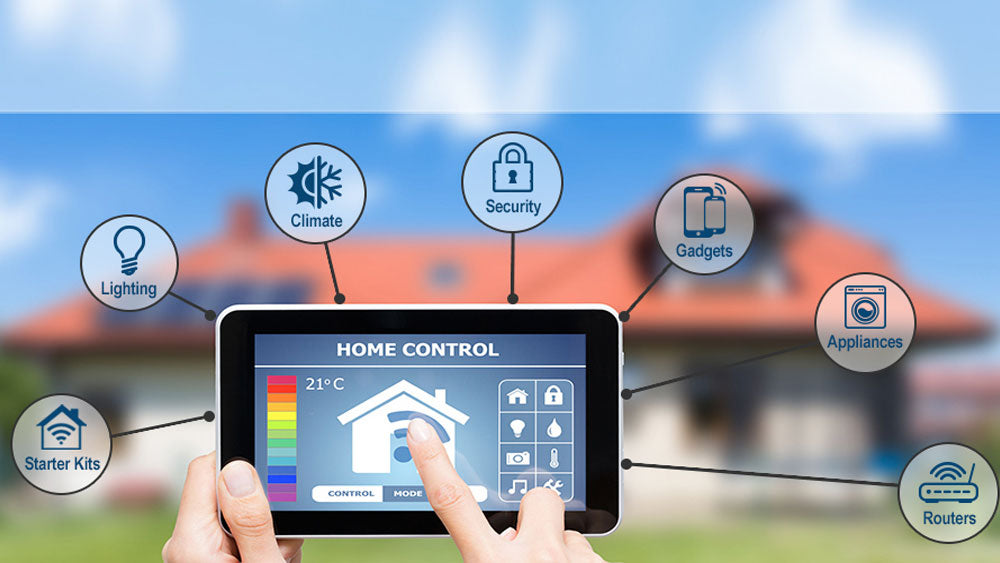

Why smart home automation matters now
Smart home automation is no longer a novelty; it is a practical infrastructure for modern living. At its core, it connects a network of devices—lights, thermostats, locks, and appliances—so they can communicate and respond to your habits automatically. This integration turns passive household items into active tools that simplify daily routines and reduce the mental load of managing your home.
The value proposition rests on three pillars: convenience, energy efficiency, and security. Convenience comes from automating repetitive tasks, like adjusting the temperature before you arrive or locking doors with a single tap. Energy efficiency is realized through smart thermostats and lighting that learn your schedule and adjust accordingly, often cutting energy waste without requiring constant manual oversight. Security improves with smart locks and cameras that provide real-time alerts and remote monitoring, giving you peace of mind whether you are in the next room or across the country.
The return on investment is tangible. According to industry analysis, smart thermostats alone can save an average of 10-15% on heating and cooling costs. When combined with smart lighting and security systems, the initial cost of these devices is quickly offset by reduced utility bills and enhanced protection. This is not just about having the latest gadgets; it is about building a home that works for you, saving time, money, and energy every day.
Best smart home hubs and controllers
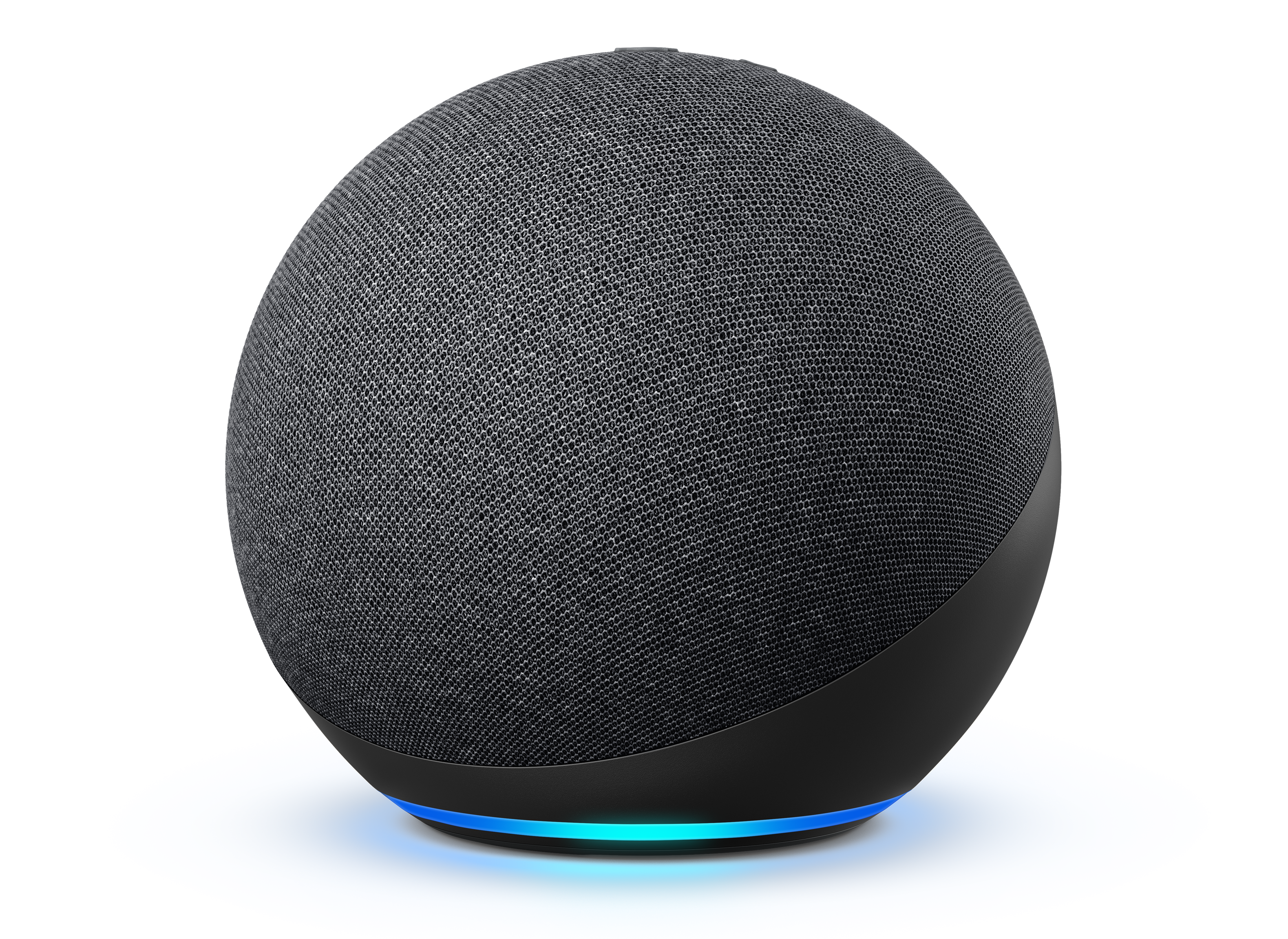
The smart home hub is the central brain of your automation ecosystem, consolidating disparate devices into a single, intuitive interface. Without a reliable controller, your smart lights, locks, and sensors operate in silos, requiring multiple apps and manual toggles. Choosing the right hub means selecting an ecosystem that aligns with your existing devices and voice assistant preferences.
The market is currently defined by four major platforms. Apple HomeKit prioritizes privacy and speed, requiring MFi-certified accessories. Amazon Alexa offers the widest device compatibility and voice recognition depth. Google Home integrates seamlessly with Google services and smart displays. Meanwhile, Matter represents the new standard for cross-platform interoperability, allowing devices from different brands to communicate without a proprietary bridge.
When comparing hubs, look beyond the hardware to the software experience. A hub is only as good as its ability to automate routines across different manufacturers. Below is a comparison of the leading ecosystems to help you decide where to anchor your smart home.
| Ecosystem | Primary Voice Assistant | Best For | Price Tier |
|---|---|---|---|
| Apple Home | Siri | Apple-centric homes with privacy focus | Premium |
| Amazon Alexa | Alexa | Wide device support and budget options | Low to Mid |
| Google Home | Google Assistant | Android users and Google service integrations | Low to Mid |
| Matter | Varies | Cross-brand interoperability | Varies |


As an Amazon Associate, we may earn from qualifying purchases.
Top smart lighting and climate controls
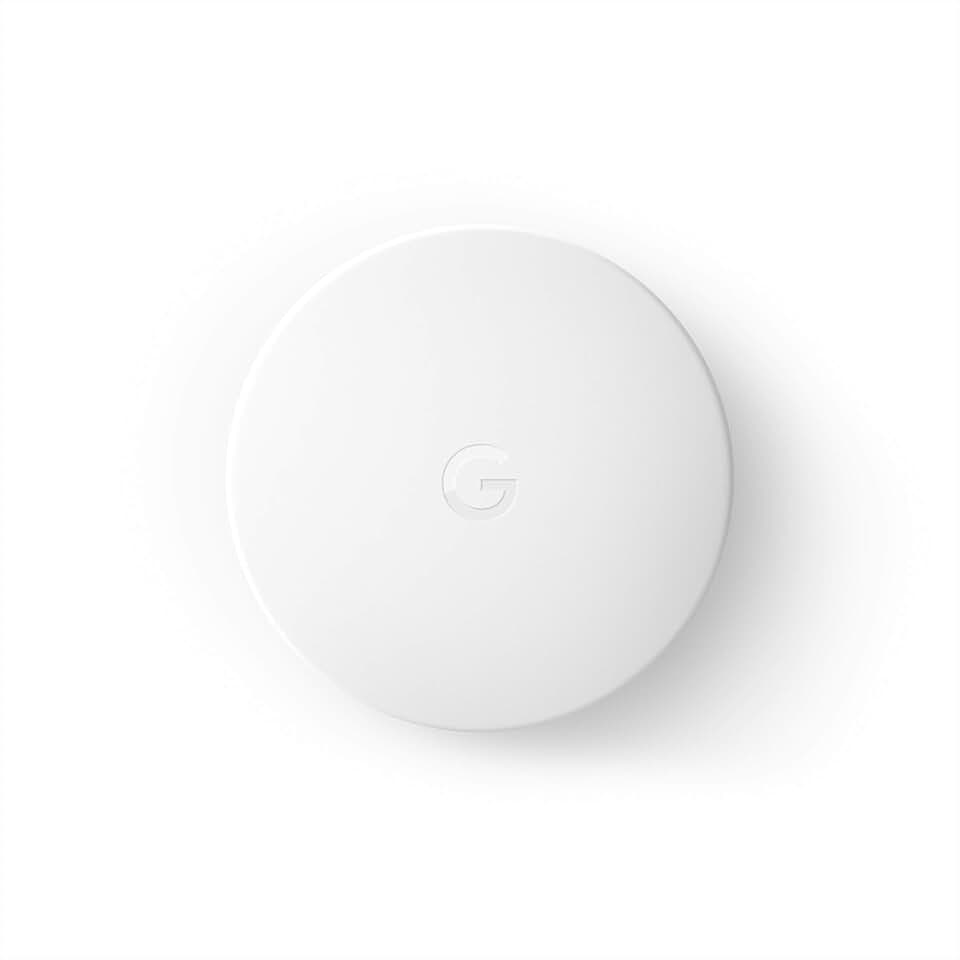
Smart lighting and climate controls are the most visible upgrades in a connected home. They deliver immediate comfort improvements and set the stage for deeper automation. These entry-level devices are easy to install and integrate with almost any voice assistant or hub.
Start with smart bulbs or plugs for lighting. They allow you to dim lights, change colors, or schedule routines without rewiring. For climate, a smart thermostat learns your habits and adjusts heating and cooling automatically. This reduces energy waste while keeping the house comfortable.
The right combination creates a responsive environment. Lights adjust to your presence, and the temperature shifts before you feel cold. These small changes add up to a smoother daily experience.



As an Amazon Associate, we may earn from qualifying purchases.
Essential security and monitoring gear
Security devices form the backbone of a responsive smart home. When paired with a central hub, cameras, doorbells, and locks shift from isolated gadgets into a coordinated defense system. This integration allows you to verify visitors, lock doors, and review footage without switching between multiple apps.
Video doorbells
A smart doorbell acts as your first line of defense. It lets you see and speak to visitors from anywhere, while motion detection sends alerts before someone even rings the bell. Look for models with two-way audio and night vision to ensure clarity in all conditions.


As an Amazon Associate, we may earn from qualifying purchases.
Indoor and outdoor cameras
Cameras provide continuous monitoring for your property’s perimeter and interior. Modern options offer high-definition video, cloud storage, and local saving capabilities. When selecting cameras, prioritize those that integrate directly with your hub’s security routines for automated recording.


As an Amazon Associate, we may earn from qualifying purchases.
Smart locks
Physical security starts at the entry point. Smart locks eliminate the need for traditional keys by allowing access via smartphone, keypad, or biometric scan. They also provide a digital log of who entered and when, which is useful for tracking family members or service providers.


As an Amazon Associate, we may earn from qualifying purchases.
DIY projects for the tech enthusiast
If you enjoy tinkering, you don't need to spend thousands on a professional install. A Raspberry Pi paired with Home Assistant gives you a local, privacy-focused brain for your home. This setup bypasses cloud servers, letting you control lights, locks, and sensors with zero monthly fees. It is the most cost-effective way to build a truly custom automation network.
1. Assemble your hardware core
Start with a Raspberry Pi 4 or 5. You will also need a microSD card, a reliable power supply, and a case with active cooling. These components form the physical backbone of your system. Unlike plug-and-play hubs, this setup requires you to handle the OS installation and initial configuration yourself.
2. Install and configure Home Assistant
Flash the Home Assistant OS onto your microSD card and boot the Pi. The interface is intuitive, guiding you through network setup and user creation. Once online, you can add integrations for Zigbee, Z-Wave, or Wi-Fi devices. This central dashboard becomes the single point of control for all your smart tools.
3. Integrate smart devices
Connect your existing smart bulbs, plugs, and sensors to the new hub. Home Assistant supports a vast library of integrations, allowing you to mix and match brands. You can create complex automations, such as turning on lights when motion is detected or locking doors at a specific time. This level of customization is rarely available in standard consumer apps.
4. Expand with custom sensors
For advanced projects, use additional GPIO pins to connect custom sensors. You can monitor temperature, humidity, or even water leaks with basic electronic components. This flexibility lets you build solutions that off-the-shelf products simply cannot offer. The learning curve is steep, but the result is a system tailored exactly to your needs.


As an Amazon Associate, we may earn from qualifying purchases.
Frequently asked questions about smart home automation
What is smart home automation?
Smart home automation connects a network of smart devices and allows them to communicate with each other to perform functions around your home. It combines hardware, electronic interfaces, and communication systems to link household devices via the Internet, allowing homeowners to control lighting, appliances, security systems, and entertainment remotely. Systems are typically wired or wireless, depending on the complexity of the setup.
Is smart home automation worth it?
Smart home technology offers value on multiple levels, from simplified daily routines to long-term energy savings. Devices like smart thermostats, lighting, locks, and hubs offer strong returns in convenience and peace of mind, as well as energy savings and even home value. For many users, the time saved and the enhanced security justify the initial investment.
How much does smart home automation cost?
Costs vary widely based on scope. If you simply want automated systems (lighting, heating, security, blinds/curtains) controlled by one device, that will cost in the region of £25,000 – £50,000. Throw audio and visual equipment into the mix, and that price quickly rises to around £75,000 – £150,000. However, most users start with individual smart devices, which are much more affordable and scalable.
No comments yet. Be the first to share your thoughts!