

Moving past the thermostat
Most people entering the world of smart homes start with a smart thermostat, and for good reason—it’s a visible, understandable entry point. It offers convenience and a modest reduction in heating and cooling bills. But smart home energy management is rapidly evolving beyond simply adjusting the temperature. We’re talking about whole-home monitoring and automated control of all major energy-consuming appliances.
The focus is shifting from comfort to comprehensive energy optimization and real financial savings. Rising energy costs are a huge driver here; what was once a nice-to-have feature is now a practical necessity for many homeowners. People are actively looking for ways to reduce their carbon footprint and protect themselves from volatile energy prices.
This isn't just about individual homeowners either. The widespread adoption of smart energy management systems is seen as a way to improve grid stability, especially as we integrate more renewable energy sources. A more responsive grid, capable of balancing supply and demand, is essential for a sustainable energy future.
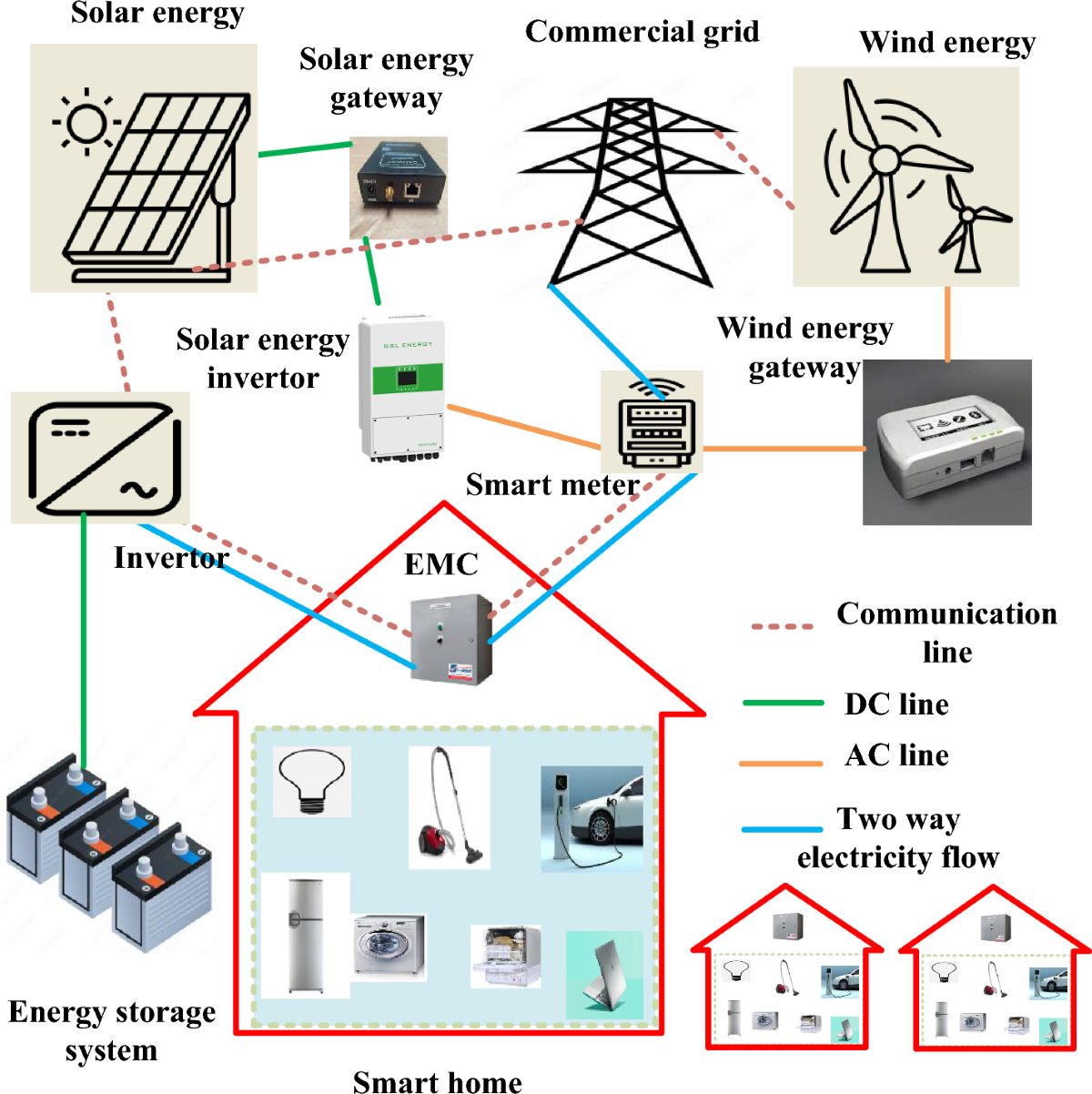
The electrical panel is the new hub
The real control center isn't a thermostat or a smart plug. It's the electrical panel. Traditional electrical panels simply distribute power, but smart electrical panels do so much more. They provide circuit-level monitoring, allowing you to see exactly how much energy each circuit – and by extension, the appliances connected to it – is consuming.
These panels also offer remote shutoff capabilities, a significant safety feature in case of emergencies or potential hazards. Many integrate seamlessly with solar panel systems and battery storage, optimizing self-consumption and reducing reliance on the grid. The Department of Energy has been actively researching and promoting these systems as a key component of a more resilient and efficient energy infrastructure.
This is a fundamental change in how homes are wired and managed. It’s not just about adding an app to control your lights; it’s about upgrading the core electrical infrastructure to provide granular control and visibility. This shift means a greater upfront investment, but the long-term benefits in terms of savings and control can be substantial.
What these systems actually track
Smart electrical panels collect a surprising amount of data. At a minimum, they track whole-house energy usage in near real-time, providing a baseline understanding of your energy consumption patterns. More advanced panels can monitor individual appliance loads, identifying energy hogs and potential inefficiencies. This is especially valuable for appliances that draw power even when "off"—phantom loads.
Beyond simple energy consumption, these panels can also track voltage fluctuations and power quality issues. This can help identify problems with appliances or the electrical system itself, potentially preventing costly repairs or safety hazards. The granularity of this data varies between manufacturers, but the trend is towards increasingly detailed monitoring.
This data isn’t just for show. It’s used to create personalized energy reports, identify opportunities for savings, and automate energy-saving actions. For example, the system might automatically reduce power to non-essential circuits during peak demand periods, or alert you to appliances that are consuming excessive energy.
Smart Electrical Panel Feature Comparison - 2026
| Panel Brand | Circuit Monitoring | Remote Shutoff | Solar/Storage Integration | Data Export |
|---|---|---|---|---|
| Emporia | Yes, individual circuits | Yes, via app | Yes, with compatible systems | Yes, CSV format |
| Sense | Yes, appliance-level (AI-driven) | Yes, via app | Yes, requires additional hardware | Yes, API access available |
| Span | Yes, individual circuits, high accuracy | Yes, via app | Yes, designed for storage integration | Yes, API and data dashboards |
| Holoviz | Yes, individual circuits | Yes, via app | Yes, with compatible inverters | Yes, cloud-based data access |
| SmartWyze | Yes, individual circuits | Yes, via app | Limited integration | Yes, via app and web portal |
| Lutron Caséta | No, whole-house monitoring only | Yes, via app (with Smart Bridge) | No | Limited, primarily for energy usage reporting |
Qualitative comparison based on the article research brief. Confirm current product details in the official docs before making implementation choices.
Software and automation
The smart electrical panel is the hardware, but the software is what truly unlocks its potential. A good energy management app should provide real-time monitoring of energy usage, allowing you to see exactly where your energy is going. Historical data analysis is also crucial, enabling you to identify trends and patterns in your consumption.
Automated control features are essential for maximizing savings. This might include automatically adjusting thermostat settings, scheduling appliance usage, or reducing power to non-essential circuits during peak times. Integration with other smart home devices—like smart blinds or lighting systems—can further enhance energy efficiency.
Key features to look for include customizable alerts, detailed energy reports, and the ability to set energy-saving goals. The best platforms offer a user-friendly interface and seamless integration with other smart home ecosystems. While many panels come with their own proprietary software, some third-party platforms are emerging that offer broader compatibility.
- Apps that show real-time usage so you can see the spike when the dryer kicks in.
- Historical logs to help you spot seasonal trends.
- Automated control and scheduling
- Integration with other smart home devices
- Customizable alerts and reports
Professional installation is mandatory
Installing a smart electrical panel is not a typical DIY project. While some components, like smart plugs and thermostats, are relatively easy to install, replacing an electrical panel requires a deep understanding of electrical systems and adherence to local codes. Professional installation is almost always recommended, and in many jurisdictions, it’s legally required.
Attempting a DIY installation can be dangerous, potentially leading to electrical shock or fire. Even if you’re comfortable working with electricity, the complexity of modern electrical panels and the need for proper grounding and bonding make it a risky undertaking. A qualified electrician will ensure the installation is safe and compliant with all regulations.
The cost of professional installation will vary depending on your location and the complexity of the project. Expect to pay several hundred dollars, in addition to the cost of the panel itself. While it's an added expense, it's a small price to pay for peace of mind and safety.
The math on energy savings
Determining exact cost savings is tricky, as it depends heavily on your energy usage, location, and the features of the system. However, ENERGY STAR estimates that a whole-home energy management system can reduce energy consumption by up to 15%. For a typical household that spends $2,000 per year on energy, this could translate to savings of $300 annually.
These savings come from a variety of sources: reduced energy waste, optimized appliance usage, and participation in demand response programs. ENERGY STAR certified products are independently tested and verified to meet specific energy efficiency standards, ensuring you’re getting a system that delivers on its promises.
These are just estimates. I've seen some homes save way more, while others barely move the needle because their insulation is poor. Factors like your home’s insulation, the efficiency of your appliances, and your energy habits all play a role. A system with more granular control and automation will generally yield greater savings.
The shift toward microgrids
The future of smart home energy management is looking increasingly integrated. We’ll see even tighter integration with electric vehicles, allowing homeowners to optimize charging schedules and potentially use their EV batteries as home energy storage. AI-powered automation will become more sophisticated, learning your energy habits and proactively adjusting settings to maximize savings.
Improved grid resilience is another key trend. As we face more frequent and severe weather events, the ability of homes to function as microgrids – providing backup power during outages – will become increasingly important. Smart energy management systems will play a crucial role in enabling this functionality.
We aren't all going to swap our panels tomorrow. But as rates climb, having this level of control stops being a hobby for tech nerds and starts being a basic financial defense.
No comments yet. Be the first to share your thoughts!