

The Rise of the AI Smart Home
The idea of a truly smart home once felt distant. Early systems relied on scheduled actions, like lights turning on at sunset or thermostats adjusting at set times. These systems were reactive, not intelligent, lacking the ability to learn or proactively manage a home environment. This is changing rapidly with the integration of artificial intelligence.
The shift involves more than just voice control. AI introduces predictive capabilities, personalized comfort, and automation that was once unimaginable. Homes are moving from simply being told what to do to anticipating our needs. This includes adjusting temperature based on occupancy, optimizing energy usage based on real-time conditions, and enhancing security by recognizing unusual activity.
By 2026, AI is expected to be integral to home automation. The focus shifts from connecting devices to making those connections meaningful. The aim is to build systems that learn habits, understand preferences, and adapt to lifestyles, creating a home that works with you.
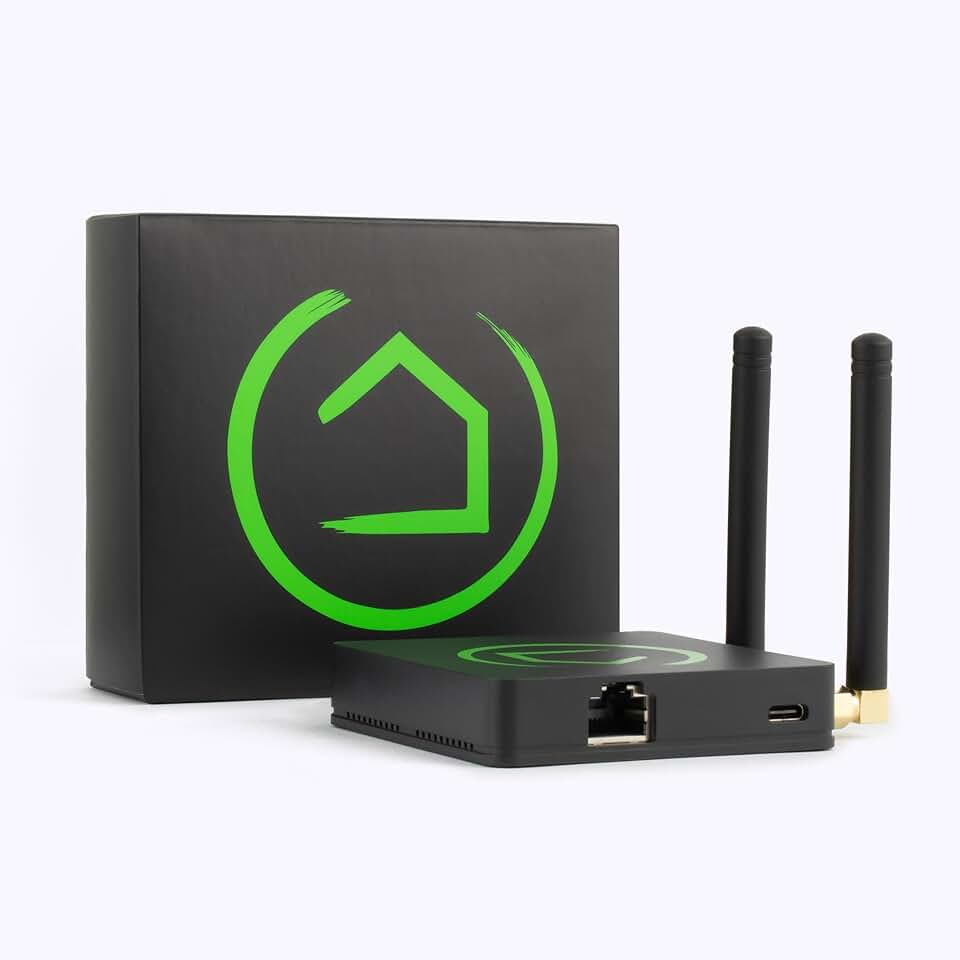
Home Assistant: The Open-Source Powerhouse
Home Assistant is a top choice for tech enthusiasts seeking complete smart home control. As an open-source platform, it's highly customizable and benefits from a large, active community developing new integrations. If a device isn't officially supported, a custom integration likely exists.
Home Assistant's emphasis on local control is a major strength. Unlike cloud-based systems, it runs on your own hardware, keeping data private and ensuring functionality even without internet. This local processing also means faster response times and greater reliability. The trade-off is that it requires more technical expertise to set up and maintain.
Recent updates have improved Home Assistant's AI capabilities. Its Voice Assistant allows for more natural language interactions, and the platform learns from user behavior to create smarter automations. While its voice recognition isn't as sophisticated as Google Assistant or Alexa, it's improving quickly, and local processing offers significant benefits. The community is also integrating machine learning models for object recognition and anomaly detection.
Home Assistant supports thousands of devices across protocols like Zigbee, Z-Wave, Wi-Fi, and Bluetooth, acting as a universal hub for diverse smart home technologies. While initial setup can be daunting, the rewards of a customized, privacy-focused, and intelligently automated home are significant.
- Pros: Highly customizable, privacy-focused, local control, vast integration support, active community.
- Cons: Steep learning curve, requires technical expertise, can be time-consuming to set up.
Hubitat Elevation: Local Control Focused
Hubitat Elevation is another option for those prioritizing local control and privacy. Like Home Assistant, it operates as a local hub, minimizing cloud reliance and keeping data within your network. This is a good choice for users concerned about data security and potential outages.
Hubitat offers a more user-friendly interface than Home Assistant, making it accessible to those less comfortable with coding. It provides good customization and is generally easier to set up. However, this ease comes at the cost of flexibility; it's not as open-ended as Home Assistant.
Hubitat's AI capabilities lag behind Home Assistant and cloud solutions. It supports basic automation rules and voice assistant integrations but lacks advanced machine learning or predictive automation. It's a solid platform for reliable, local automations, but not ideal for cutting-edge AI features.
Cloud Contenders: SmartThings & Google Home
SmartThings and Google Home use a cloud-based approach to smart home automation. Both offer ease of use, broad device compatibility, and integration with popular voice assistants. SmartThings, owned by Samsung, has a long history and supports many devices. Google Home, using Google Assistant, excels in voice control and integration with other Google services.
Both platforms are incorporating AI features. SmartThings offers "Smart Automations" that use machine learning to predict and automate tasks based on routines. Google Home uses Google Assistant for personalized recommendations, proactive alerts, and energy management. Both also have robust energy monitoring and control features.
Cloud reliance is a significant drawback for some. Data is stored on company servers, raising privacy concerns. The system also depends on a stable internet connection; cloud service outages can reduce functionality. Users should understand data collection practices and weigh convenience against privacy.
SmartThings and Google Home are generally easier to set up than open-source options like Home Assistant, offering a streamlined experience but less customization and control. They suit users prioritizing convenience and voice assistant integration, while those valuing privacy and local control might prefer alternatives.
Software Standouts: Node-RED & IFTTT
Node-RED and IFTTT can enhance smart home automation. Node-RED is a visual programming tool for creating complex automation flows by connecting nodes. It's powerful and flexible but has a steeper learning curve than IFTTT.
Node-RED integrates devices and services that wouldn't normally work together, allowing for custom logic and sophisticated automations. It's often used with Home Assistant to extend its functionality and is favored by those who
IFTTT (If This Then That) takes a simpler approach. It uses "applets’ – pre-built automation recipes – to connect different apps and devices. It’s incredibly easy to use, even for beginners. While it doesn’t offer the same level of customization as Node-RED, it’s a great way to automate basic tasks and bridge different smart home ecosystems. For example, you can create an applet to automatically turn on your lights when you arrive home, based on your phone"s location.
Featured Products

Dedicated hardware for Home Assistant · Enables advanced automation · Official Home Assistant product
This powerful smart home hub provides the robust integration and customization capabilities essential for implementing advanced AI-driven automation strategies.
Supports Matter 1.5, Z-Wave 800 LR, Zigbee 3.0, and Bluetooth · Local control with no cloud dependency · Compatible with major smart home ecosystems
This powerful smart home hub provides the robust integration and customization capabilities essential for implementing advanced AI-driven automation strategies.
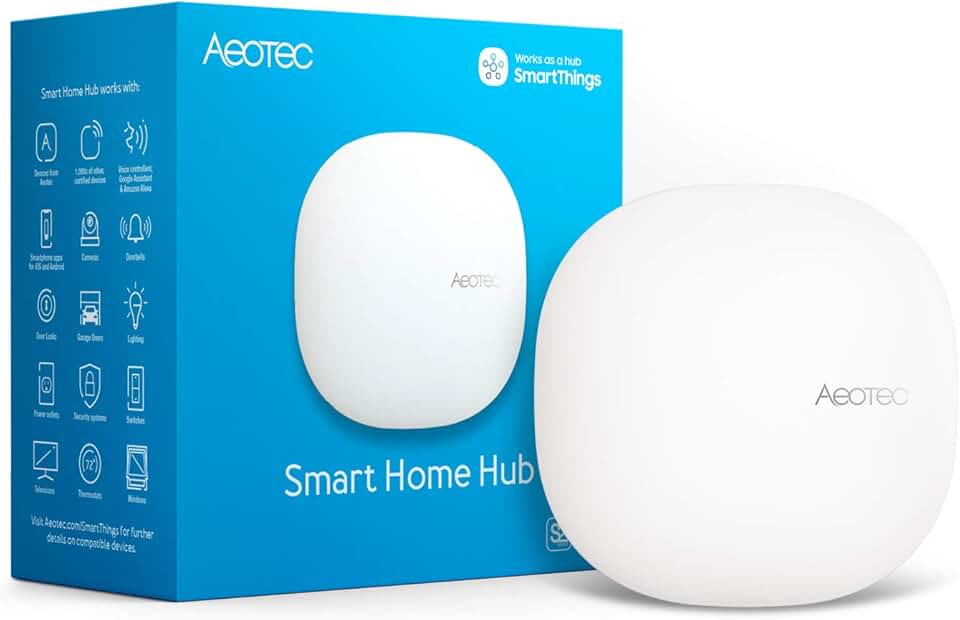
Functions as a SmartThings Hub · Supports Z-Wave, Zigbee, and Matter · Compatible with Alexa and Google Assistant
This powerful smart home hub provides the robust integration and customization capabilities essential for implementing advanced AI-driven automation strategies.
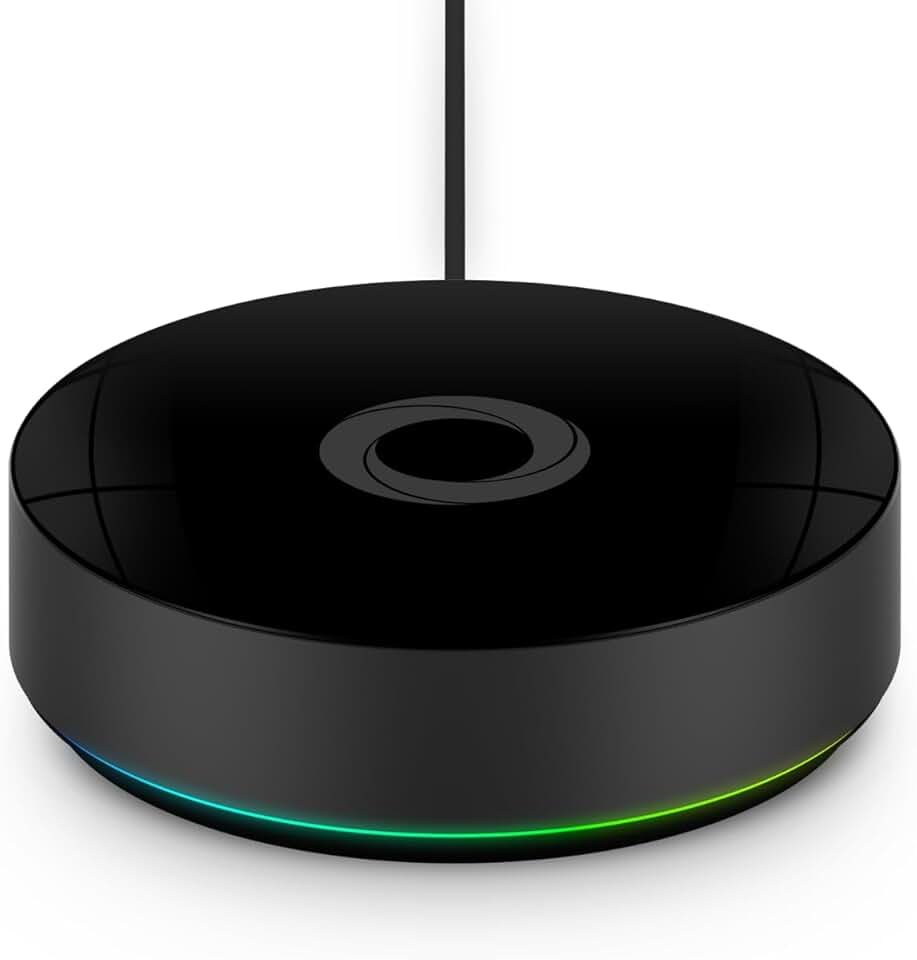
Comprehensive connectivity including Z-Wave Plus, Zigbee, Wi-Fi, BLE, Infrared, Matter, and Thread · Broad compatibility with voice assistants like Siri, Alexa, and Google Home · Designed for advanced home automation
This powerful smart home hub provides the robust integration and customization capabilities essential for implementing advanced AI-driven automation strategies.
As an Amazon Associate I earn from qualifying purchases. Prices may vary.
AI-Driven Energy Management Systems
With rising energy costs, AI-powered energy management systems are becoming increasingly popular. These systems learn your energy consumption patterns and proactively optimize your energy usage to save you money. Companies like Sense and Curb offer devices that monitor your home’s energy consumption in real-time, identifying which appliances are using the most energy.
These systems go beyond simple energy monitoring. They can predict your future energy needs, adjust your thermostat accordingly, and even suggest ways to reduce your energy consumption. Some systems integrate with smart thermostats, appliances, and solar panels to create a truly intelligent energy management solution.
The AI algorithms analyze historical data, weather forecasts, and occupancy patterns to make informed decisions about energy usage. This can lead to significant savings on your energy bill and reduce your carbon footprint. While the initial investment can be substantial, the long-term benefits often outweigh the costs.
DIY AI: Building Your Own Automations
For the technically inclined, building custom AI automations is a rewarding experience. Platforms like Home Assistant and Node-RED provide the tools and flexibility to create truly unique smart home solutions. You can leverage machine learning models for tasks like object recognition, voice control, and predictive maintenance.
For example, you could train a machine learning model to recognize different objects in your home using a camera feed. This could be used to trigger automations based on the objects detected – turning on the lights when someone enters a room, or sending an alert if an unusual object is detected. You can also integrate voice control using platforms like Rhasspy, an open-source voice assistant.
Resources like TensorFlow and PyTorch provide the building blocks for creating custom machine learning models. While it requires programming knowledge and a willingness to experiment, the possibilities are endless. There’s a growing community of DIY enthusiasts sharing their projects and providing support online.
Looking Ahead: 2026 and Beyond
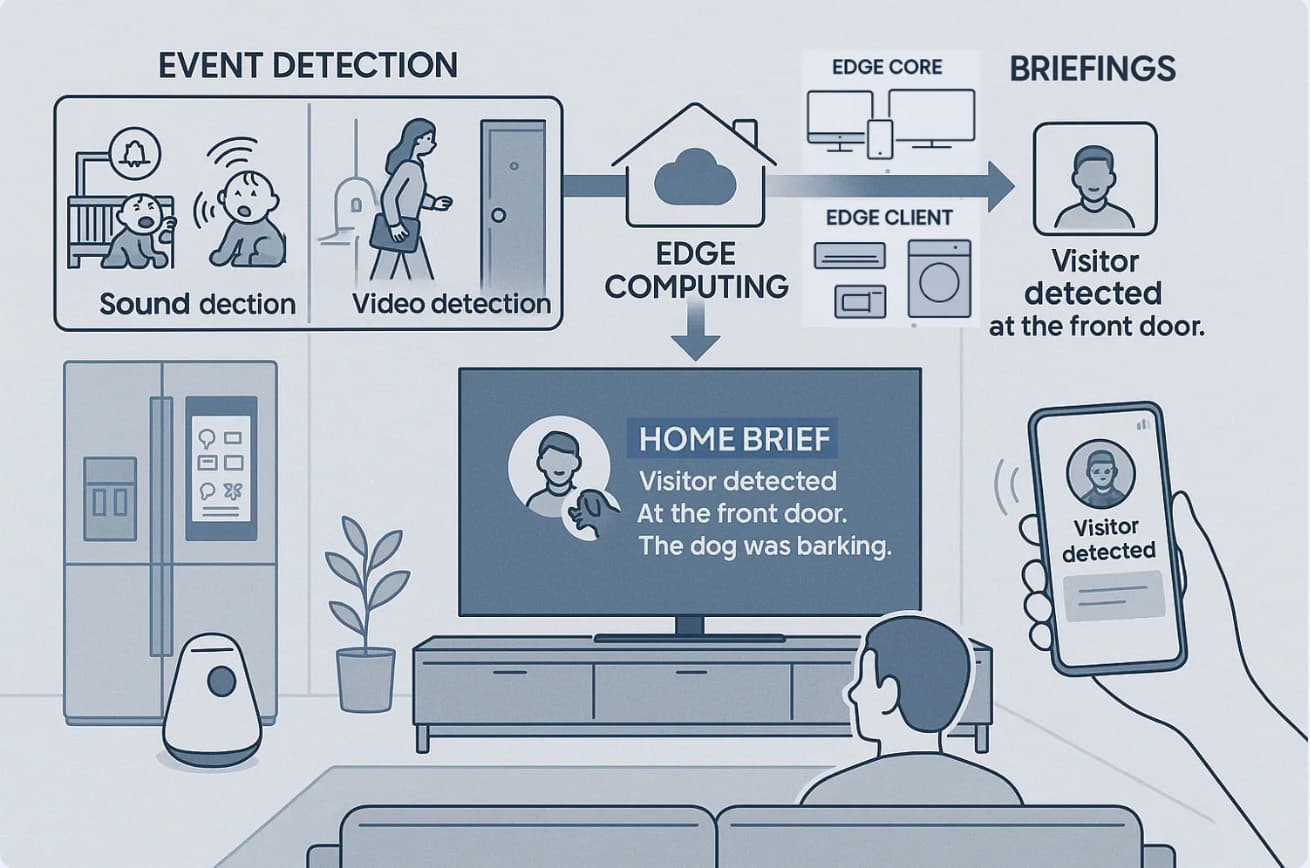
The future of AI-powered smart home automation is brimming with potential. Emerging trends like edge computing – processing data locally on your devices rather than in the cloud – will further enhance privacy and reduce latency. Federated learning, where AI models are trained on decentralized data sources, will enable more personalized and accurate automations.
We can also expect to see greater integration of AI with other technologies like augmented reality. Imagine using AR to visualize your smart home data in real-time, or controlling your devices with intuitive gestures. The lines between the physical and digital worlds will continue to blur.
However, it’s important to consider the ethical implications of AI in the home. Privacy and security must be paramount. We need to ensure that AI systems are transparent, accountable, and don’t perpetuate biases. The development of responsible AI practices will be crucial as smart homes become increasingly integrated into our lives. I'm not sure exactly what the next few years will bring, but it's going to be a fascinating evolution.
What is the biggest barrier to adopting AI-powered smart home automation?
Vote below and tell us which challenge matters most when considering AI-powered smart home automation.




No comments yet. Be the first to share your thoughts!