

The AI-Infused Home: A 2026 Reality
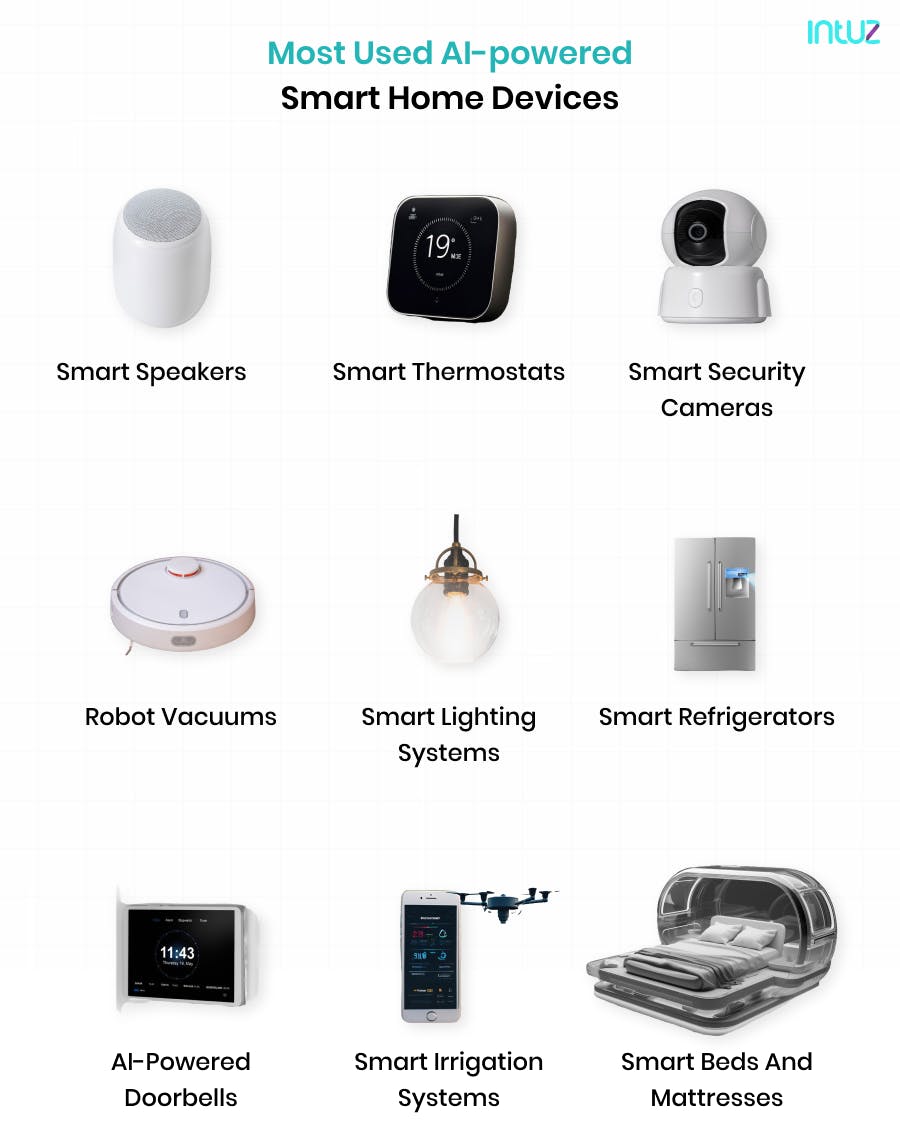
The smart home is no longer a futuristic fantasy; it's a present-day reality, driven by artificial intelligence. At CES 2026, AI is baked into the core functionality of everyday appliances, not just bolted on. We're moving beyond simple voice commands and scheduled routines.
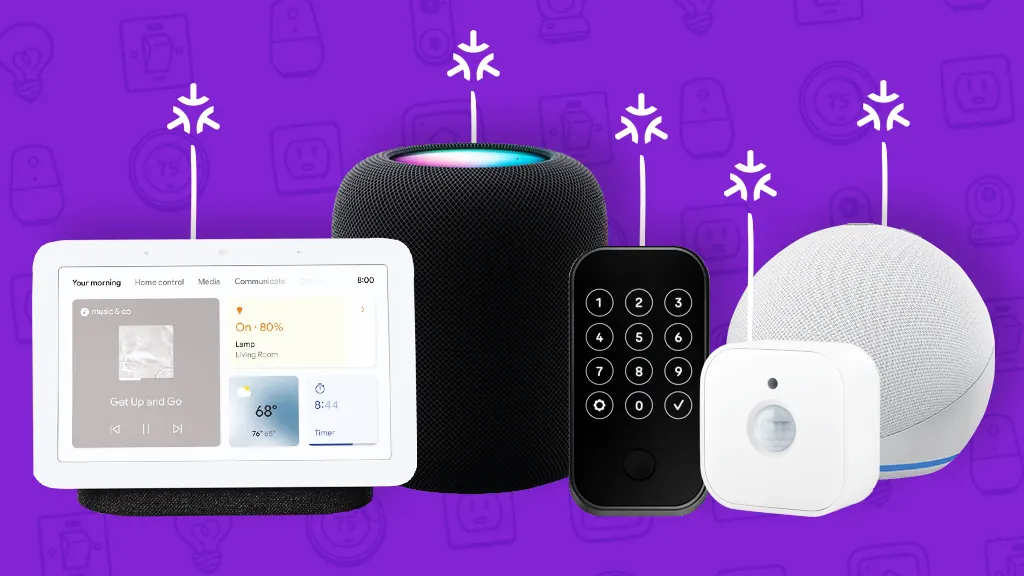
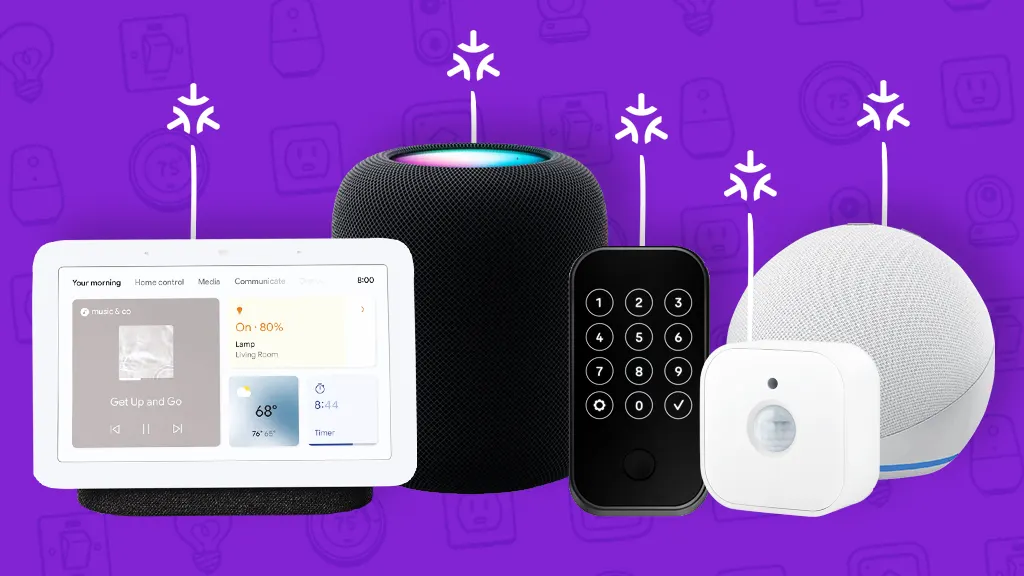
Interoperability issues once locked users into specific ecosystems, making a truly intelligent home feel out of reach. The Matter protocol is now gaining traction, leading to a more connected smart home experience. Gizmodo's coverage of CES 2026 confirms Matter's significance this year.
The goal is to augment human control, creating homes that are genuinely helpful by anticipating needs and adapting to lifestyles. AI-powered devices learn preferences, optimize energy consumption, and enhance security. This creates a home that works with you.
The smart home market is expanding rapidly, with AI accelerating growth. LG and Dreo are examples of companies leading this charge. The real potential lies in combining these innovations for a seamlessly integrated, AI-powered home that simplifies life and makes homes more comfortable, secure, and efficient.
LG’s Visionary Appliances: AI in the Kitchen and Beyond
LG showcased AI-powered appliances at CES 2026, notably their 'vision driven ovens.' These ovens use internal cameras and image recognition to identify food and automatically adjust cooking settings. They detect items like pizza, roast chicken, or cookies, then select optimal temperature and cooking time.
These ovens eliminate guesswork and the risk of overcooked or undercooked meals. They also provide cooking suggestions based on detected ingredients. LG extends AI to other appliances, such as smart laundry machines that analyze fabric types and soil levels to optimize wash cycles, protecting clothes and saving energy.
Pricing for these AI-powered features will be a premium. The initial investment is substantial, and long-term value depends on AI reliability and the user's valuation of added convenience. This offers a level of automation not previously possible.
LG’s ThinQ platform integrates these appliances with other smart devices for remote control and energy monitoring. YouTube coverage of CES 2026 highlighted the potential for these appliances to work in harmony, creating a truly intelligent kitchen. This vision requires a robust smart home network.
Dreo’s Adaptive Climate Control: Smarter Than Your Average Thermostat
Dreo's adaptive climate systems learn individual preferences and proactively adjust temperature, humidity, and airflow for optimal comfort, going beyond traditional smart thermostats like Ecobee or Nest.
A network of sensors monitors temperature, humidity, occupancy, and sunlight exposure throughout the home. AI algorithms analyze this data to create a personalized climate profile for each room, learning preferences for sleeping or relaxing.
The system anticipates needs. It automatically adjusts blinds or lowers temperature if the sun warms a room. It pre-heats or pre-cools a room to preferred temperatures before occupancy. Handling multiple occupants with differing preferences is a potential challenge.
Dreo's system's strength is its adaptability, creating a climate that responds to actual needs rather than just schedules. While AI model specifics are proprietary, Dreo emphasizes the system's continuous learning and improvement.
Smart Security Systems: AI-Powered Threat Detection
AI revolutionizes home security beyond simple motion detection and alarm triggers. Modern systems distinguish between delivery people and potential intruders, significantly reducing false alarms through advanced video analytics and machine learning algorithms.
Facial recognition identifies family members and authorized visitors, allowing them to bypass security. AI also analyzes behavior patterns, detecting anomalies that might indicate a threat, such as a person loitering near the property.
Package detection identifies deliveries and sends notifications, helping prevent theft. Real-time threat assessment analyzes potential threats and alerts users to take action. No system is foolproof, and determined intruders can bypass security measures.
undefineds coverage of CES 2026 emphasizes the need for responsible AI implementation in home security.
- Facial Recognition: Identifies authorized individuals.
- Behavior Analysis: Detects suspicious activity.
- Package Detection: Notifies you of deliveries.
- Real-Time Threat Assessment: Evaluates potential threats.
Top AI-Powered Smart Home Devices (2026)
- Google Nest Aware Cam (2026) - Building on previous generations, the Nest Cam now boasts enhanced AI for even more accurate person, package, animal, and vehicle detection. Improved facial recognition capabilities (with consent) allow for personalized alerts. Integrates seamlessly with the Google Home ecosystem.
- Arlo Ultra 2K HDR - Arlo continues to refine its AI-powered security offerings. The Ultra 2K HDR camera features advanced object recognition, differentiating between people, packages, and animals with high accuracy. Offers customizable activity zones and cloud storage plans for recorded footage.
- Ring Always Home Cam - This indoor drone offers a unique approach to home security. Utilizing AI-powered pathfinding, it patrols your home on a schedule or when triggered by an alarm. It's important to note privacy considerations with such a device.
- Eufy Security S350 - Eufy focuses on local storage and privacy. The S350 camera uses on-device AI processing to identify people and objects, reducing reliance on the cloud. Offers robust two-factor authentication and end-to-end encryption options.
- Abode Smart Security System - Abode provides a flexible, professional-grade security system with AI-powered features. It offers accurate person detection and integrates with various smart home platforms. Cloud storage options are available, and the system supports professional monitoring.
- Wyze Cam v4 Pro - Wyze continues to offer affordable smart home security. The v4 Pro leverages AI for improved person and pet detection, and offers optional cloud storage. While budget-friendly, it provides a surprisingly robust feature set.
- SimpliSafe Helix Home Security - SimpliSafe's Helix system integrates AI to reduce false alarms and enhance threat detection. It features a cellular connection for reliability and offers professional monitoring services. The system prioritizes ease of use and installation.
Beyond Voice Assistants: AI-Driven Home Hubs
Smart home hubs are evolving beyond simple voice command centers. They’re becoming proactive managers of your home, anticipating your needs based on learned behaviors and contextual awareness. These hubs can adjust lighting, play music, or preheat the oven based on your schedule and habits, before you even ask.
Imagine a hub that knows you typically wake up at 7 am, so it automatically raises the blinds, adjusts the thermostat, and starts brewing coffee. Or a hub that detects you’re heading home from work and starts preheating the oven and turning on the lights. This level of automation requires a sophisticated AI engine that can understand your routines and preferences.
I’m particularly interested in hubs that prioritize local processing for improved privacy and responsiveness. Cloud-based hubs can be vulnerable to outages and security breaches. Local processing ensures that your data stays within your home network, enhancing both privacy and reliability. This also reduces latency, making the system more responsive.
The best AI-driven hubs don't just react to commands; they learn from your interactions. They adapt to your changing needs and preferences, becoming more intelligent and helpful over time. They’re the central nervous system of a truly smart home, orchestrating all your devices and creating a seamless and personalized experience.
Content is being updated. Check back soon.
The Matter Protocol: Finally, Seamless Interoperability?
For years, the smart home industry has been plagued by fragmentation. Devices from different manufacturers often couldn't communicate with each other, creating a frustrating experience for consumers. The Matter protocol is an attempt to solve this problem, providing a common language for smart home devices.
Matter is an open-source connectivity standard developed by the Connectivity Standards Alliance (CSA). It allows devices from different manufacturers to work together seamlessly, regardless of their underlying technology. This means you can mix and match devices from Apple, Google, Amazon, and other brands without worrying about compatibility issues.
However, the road to seamless interoperability hasn’t been entirely smooth. Early adopters have reported some challenges with setup and reliability. But the situation is improving rapidly, and Gizmodo’s coverage at CES 2026 highlights the increasing adoption of Matter by major manufacturers. It's still early days, but the momentum is clearly building.
The future of Matter depends on continued industry support and a commitment to open standards. If Matter can deliver on its promise of seamless interoperability, it will unlock the full potential of the smart home and make it accessible to a wider audience. It’s a critical piece of the puzzle.
Smart Home Ecosystem Comparison - 2026
| Ecosystem | Matter Support | Device Compatibility | Privacy Features | Ease of Use |
|---|---|---|---|---|
| Apple HomeKit | Strong. Native Matter support is widely implemented across compatible devices. | Generally good, particularly within the Apple ecosystem. Expanding with Matter, but historically limited to devices specifically designed for HomeKit. | Apple emphasizes on-device processing and data minimization. Privacy features are a core tenet of the platform. | Considered user-friendly, especially for existing Apple users. Setup can be streamlined but requires an Apple hub (HomePod, Apple TV). |
| Google Home | Excellent. Google was an early adopter of Matter and has broad compatibility. | Very extensive. Google Home supports a vast range of devices, and Matter integration further expands this. | Google’s privacy practices have evolved, offering more user controls. However, data collection for personalized services remains significant. | Generally easy to set up and use, with strong voice control capabilities. Integration with other Google services is seamless. |
| Amazon Alexa | Good. Amazon supports Matter, but implementation across its extensive device range varies. | The largest device compatibility of the three, due to its market share and long-standing presence. Matter expands options further. | Amazon has faced scrutiny regarding privacy. Users have controls, but data collection is substantial for advertising and service improvement. | Widely accessible and easy to use, particularly for those already invested in the Amazon ecosystem. Voice control is a key strength. |
| Samsung SmartThings | Very Good. Samsung is a key contributor to the Matter standard and offers strong support. | Broad, with a focus on interoperability. SmartThings acts as a central hub for many different device types, and Matter further enhances this. | Samsung provides a range of privacy settings and data controls, though data is used for service personalization. | Offers a good balance of customization and ease of use. The SmartThings app provides a centralized control point. |
| LG ThinQ | Developing. LG demonstrated Matter compatibility at CES 2026, focusing on appliances like vision-driven ovens. | Growing, with a strong emphasis on LG’s own appliances. Matter integration is expanding compatibility with third-party devices. | LG’s privacy policy outlines data collection practices, with options for users to manage their data. | User experience is improving, with a focus on intuitive app design and voice control. |
Illustrative comparison based on the article research brief. Verify current pricing, limits, and product details in the official docs before relying on it.
DIY AI Smart Home Projects: Level Up Your Automation
For the tech-savvy enthusiast, building your own AI-powered smart home components can be incredibly rewarding. It allows for a level of customization and control that’s simply not possible with off-the-shelf devices. There are a wealth of resources available online to help you get started.
Consider building a custom sensor network using Raspberry Pi and readily available sensors. You can collect data on temperature, humidity, air quality, and more, and then use AI models to analyze the data and trigger automated actions. This could involve adjusting your thermostat, turning on an air purifier, or sending you an alert.
Another popular project is integrating AI models for personalized automation. You can use pre-trained models or train your own models using machine learning libraries like TensorFlow or PyTorch. This allows you to create custom routines that adapt to your specific needs and preferences. It's not necessarily easy, but the possibilities are endless.
I’ll focus on projects that don’t require a PhD in computer science. Resources like online tutorials, open-source code repositories, and maker communities can provide valuable guidance. While a basic understanding of programming and electronics is helpful, many projects are accessible to beginners.
- Raspberry Pi Sensors: Build custom data collection networks.
- TensorFlow/PyTorch: Integrate machine learning models.
- Online Tutorials: Access step-by-step guides.
- Maker Communities: Seek help and inspiration.
Top AI-Powered Smart Home Devices for the Enthusiast in 2026
15.6-inch Full HD smart display · Personalized widgets and routines · Visual ID for personalized content and greetings
The Echo Show 15's Visual ID and customizable widgets offer a highly personalized AI-driven smart home hub experience, perfect for tech enthusiasts who want a central command center.
10-inch HD touchscreen display · Google Assistant with advanced AI features · Nest Cam with facial recognition and motion detection
With its integrated Nest Cam and sophisticated AI for facial recognition and gesture control, the Nest Hub Max provides advanced security and intuitive interaction for the discerning tech enthusiast.
High-fidelity audio with spatial awareness · Siri integration for smart home control and requests · HomeKit support for seamless Apple ecosystem integration
The HomePod (2nd gen) offers exceptional audio quality and deep integration with the Apple ecosystem, enhanced by Siri's evolving AI capabilities for a premium smart home experience.
Central hub for Zigbee, Z-Wave, and Wi-Fi devices · Built-in smart speaker with voice control · Automated routines and AI-driven device management
This device acts as a powerful, AI-enhanced hub that unifies a wide range of smart home devices, offering robust automation possibilities for enthusiasts building a complex smart home.
HD video doorbell with wide-angle view · Color night vision · Intelligent motion detection with person, package, and animal alerts
For enhanced security, the Logitech Circle View Doorbell leverages AI for intelligent alerts, providing tech enthusiasts with precise notifications and peace of mind.
As an Amazon Associate I earn from qualifying purchases. Prices may vary.
Future Trends: What’s Next for AI and Smart Homes?
The field of AI-powered smart homes is evolving rapidly. Several emerging technologies promise to take things to the next level. Edge computing, which moves processing closer to the device, will enable faster response times and improved privacy. Federated learning, which allows AI models to learn from data across multiple devices without sharing the data itself, will enhance personalization and security.
We can also expect to see more sophisticated AI-powered energy management systems. These systems will be able to optimize energy consumption based on real-time data, weather forecasts, and your usage patterns, potentially leading to significant cost savings and a reduced carbon footprint.
The integration of AI with augmented reality (AR) could also create new and immersive smart home experiences. Imagine being able to visualize how different lighting schemes would look in your home before you actually install them, or receiving real-time information about your appliances through an AR interface.
Staying informed is key in this rapidly changing landscape. The convergence of AI, IoT, and other emerging technologies will continue to reshape the smart home, creating a future where our homes are truly intelligent, responsive, and sustainable. It's an exciting time to be a tech enthusiast.
Experience the Best Smart Home Automation System with Effortless Home Control – SmartWire.
— Smartwire (@smartwire182) February 12, 2025
Office ho ya drive kar rahe ho, ya dosto ke saath party! SmartWire ke saath bas one tap aur Smart Living ka maza lijiye
#SmartHomeAutomation #EffortlessLiving #OneTapControl #Automation pic.twitter.com/U968j3YzjZ

No comments yet. Be the first to share your thoughts!