

How AI assistants changed by 2026
Smart home tech in 2026 is finally moving past basic voice commands. Models like ChatGPT-4o and Gemini Ultra now act as a brain for the house, learning routines rather than just waiting for a light switch trigger.
Just a year or two ago, these assistants were largely reactive – responding to direct commands. Now, they’re capable of understanding context, anticipating needs, and even initiating actions without being prompted. This leap forward is down to improved natural language processing and reasoning abilities. It’s a rapid evolution, and keeping up with the changes is a challenge for even the most dedicated tech enthusiast.
A key consideration in this evolving landscape is where the processing happens: locally on your devices, or in the cloud. Cloud-based processing offers greater scalability and access to the latest AI models, but it raises concerns about privacy and reliance on internet connectivity. Local processing, on the other hand, prioritizes privacy and reliability, but often comes with limitations in processing power and model complexity. The balance between these two approaches is a defining characteristic of the current smart home AI assistant market.
The rise of these powerful LLMs isn’t without its complexities. Integrating them effectively into existing smart home ecosystems requires robust APIs and a willingness from manufacturers to embrace open standards. We’re seeing a tug-of-war between walled gardens and interoperability, and the outcome will significantly shape the future of home automation.

ChatGPT-4o for Home Automation
ChatGPT-4o represents a significant step forward in AI-powered home automation. Its strength lies in its remarkable natural language understanding. You can describe what you want in plain English – or any other supported language – and it can translate that into a series of actions for your smart home devices. Forget rigid commands; think conversational control.
The model’s improved reasoning capabilities allow it to handle complex, multi-step automation requests. For example, you could say, “Prepare the house for a movie night,” and ChatGPT-4o could dim the lights, lower the blinds, turn on the TV, and even start your popcorn maker (assuming those devices are connected, of course). This is a far cry from the simple "turn on the lights" commands of the past.
What’s particularly exciting is the multimodal input. ChatGPT-4o can process voice, text, and vision. Imagine pointing your phone at a messy room and saying, “Tidy up this space.” The AI could identify objects, determine their proper locations, and then instruct a robot vacuum or other cleaning devices to take action. This level of contextual awareness is a game-changer.
The ability to create custom GPTs is another powerful feature. You can tailor ChatGPT-4o to specific home automation tasks, creating specialized agents for things like energy management, security monitoring, or entertainment control. This allows for a highly personalized and efficient smart home experience. Currently, integrations with platforms like Home Assistant are available through community-developed integrations, and IFTTT provides a more straightforward, albeit less powerful, bridge to many devices.
ChatGPT-4o is only as good as your hardware. If your devices don't talk to each other, the AI can't do much. Building a system that actually works together is still expensive and takes time to configure.
Google Gemini Ultra and the Nest ecosystem
Google’s Gemini Ultra brings a different set of strengths to the smart home arena. Google already has a significant advantage in this space thanks to its established ecosystem. Deep integration with Nest thermostats, Google Home speakers, and other Google services provides a seamless experience for users already invested in the Google ecosystem.
Gemini’s reasoning abilities are comparable to ChatGPT-4o’s, though the focus seems to be slightly different. Gemini excels at analyzing data and identifying patterns. This makes it particularly well-suited for tasks like energy management and predictive maintenance. It can learn your heating and cooling preferences and proactively adjust the thermostat to save energy and maintain comfort.
One intriguing possibility is Gemini’s potential to learn user preferences over time and proactively suggest automation routines. It could notice that you always turn on the coffee maker at 7:00 AM and automatically add that to your morning routine. This level of anticipatory automation could significantly simplify daily life. The quality of this prediction will depend on how much data Google collects, raising privacy considerations.
Gemini’s image generation capabilities, while not directly related to home automation, could be applied to smart home customization. Imagine asking Gemini to design a new wallpaper pattern or create a virtual art display for your smart frame. The possibilities are intriguing. Furthermore, Gemini’s ability to summarize information from smart home device logs could be invaluable for troubleshooting issues or identifying energy waste.
However, Gemini’s reliance on the Google ecosystem could be a drawback for users who prefer to mix and match devices from different manufacturers. While Google is making efforts to embrace Matter, the interoperability standard, its primary focus remains on its own products and services.
The struggle with integration
This is where the smart home AI assistant landscape gets complicated. Seamless integration is often the biggest hurdle. ChatGPT-4o and Gemini Ultra don’t natively control all devices. You'll encounter compatibility issues, especially when mixing brands. Philips Hue lights generally work well with both, but older Lutron devices might require a bridge or specific integration workarounds.
Ecobee thermostats have solid Google Home integration, but ChatGPT-4o support relies on third-party integrations. Ring and Arlo security systems also exhibit similar patterns – tighter integration with Google Assistant, but workable connections with ChatGPT-4o through IFTTT or Home Assistant. The overall picture is fragmented.
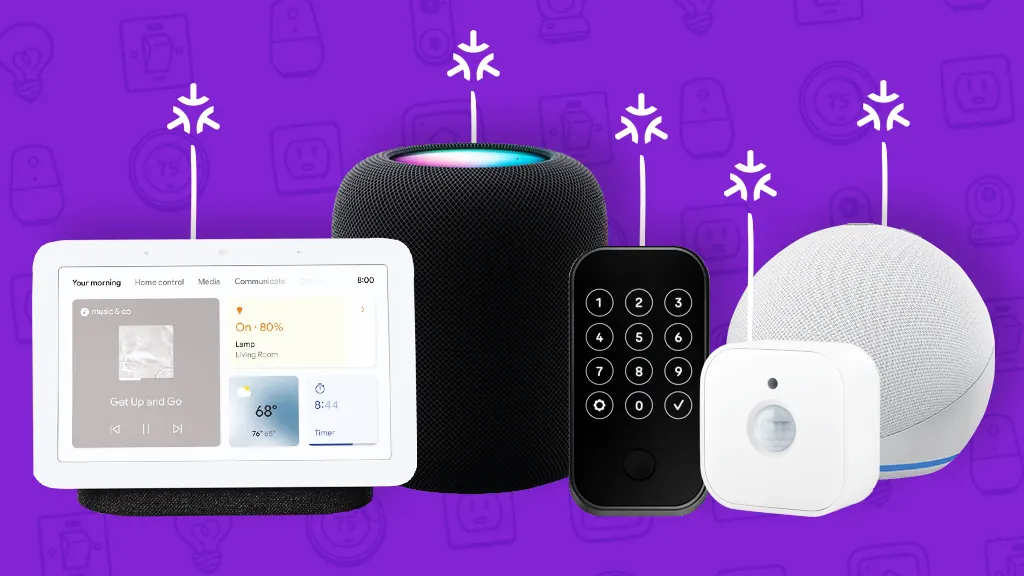
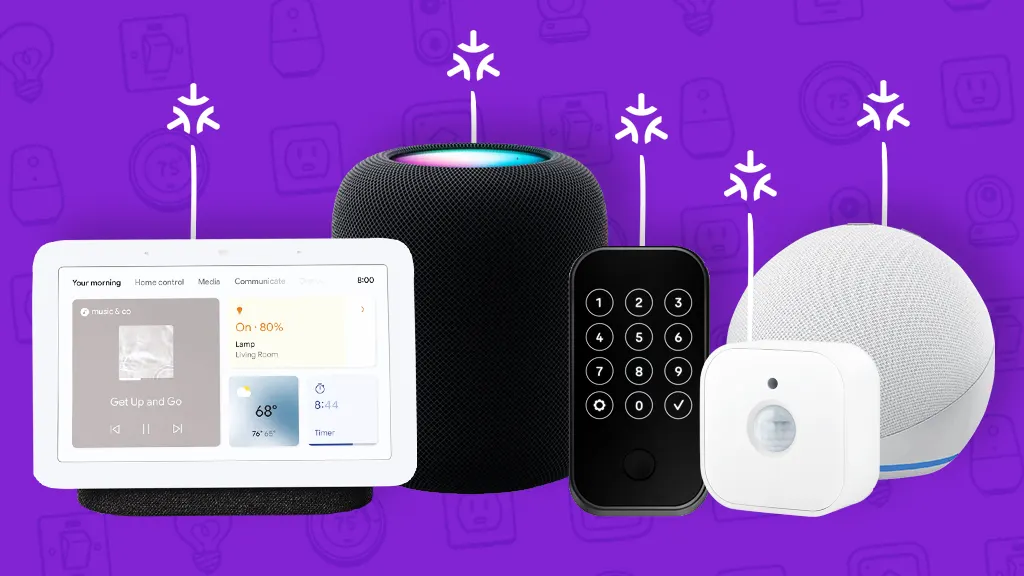
The lack of a truly universal standard remains a significant challenge. Matter, the connectivity standard designed to address this issue, is gaining traction, but it's not a silver bullet. Adoption has been slower than anticipated, and many older devices aren't compatible. It’s improving, but it's still not a fully seamless experience.
Open-source platforms like Home Assistant provide a valuable solution. Home Assistant acts as a central hub, allowing you to connect and control devices from different manufacturers, regardless of their native compatibility. It requires a bit of technical expertise to set up and maintain, but it offers unparalleled flexibility and control. It’s a popular choice for power users.
- ChatGPT-4o works best with Home Assistant and IFTTT.
- Gemini Ultra Compatibility: Strongest with Nest, Google Home, and devices certified for Google Home.
- Matter Support: Improving, but not universally adopted. Check device compatibility before purchasing.
- Home Assistant: Provides a bridge for disparate ecosystems, but requires technical knowledge.
ChatGPT-4o vs. Gemini Ultra for Smart Home Integration - 2026
| Device/Platform | ChatGPT-4o Integration | Gemini Ultra Integration | Notes |
|---|---|---|---|
| Philips Hue | Good | Excellent | Gemini Ultra demonstrates more native and responsive control of Hue lighting scenes and individual bulbs, while ChatGPT-4o requires more complex prompting for nuanced adjustments. |
| Lutron | Limited | Good | Gemini Ultra offers better support for Lutron’s Caséta and RA2 Select systems, particularly with shade and blind control. ChatGPT-4o integration relies heavily on workarounds through broader home automation platforms. |
| Ecobee | Good | Good | Both assistants provide comparable control over Ecobee thermostats, including temperature adjustments and schedule management. Voice control responsiveness is similar. |
| Ring | Excellent | Good | ChatGPT-4o integrates more seamlessly with Ring security systems, offering more detailed event summaries and faster response to alerts. Gemini Ultra's integration is functional but less conversational. |
| Arlo | Good | Limited | ChatGPT-4o has a slight edge in Arlo integration, allowing for more specific clip requests and analysis. Gemini Ultra’s support is primarily for basic arming/disarming and live view access. |
| Home Assistant | Good | Better for | Gemini Ultra, given Google’s open-source focus, appears to have a more natural affinity for Home Assistant, facilitating easier automation creation and control. ChatGPT-4o integration requires more configuration. |
| IFTTT | Limited | Good | Gemini Ultra's integration with IFTTT is more robust, enabling a wider range of applet triggers and actions. ChatGPT-4o’s IFTTT support is present, but less comprehensive. |
Qualitative comparison based on the article research brief. Confirm current product details in the official docs before making implementation choices.
Privacy & Security Considerations
Using AI assistants in your home inevitably involves sharing data. Voice recordings, usage patterns, and even sensor data are collected and processed. This raises legitimate privacy concerns. OpenAI, the creator of ChatGPT-4o, and Google, the creator of Gemini Ultra, both have privacy policies outlining how they collect, use, and protect your data. It’s crucial to read these policies carefully.
Google's track record on data privacy has been scrutinized in the past, while OpenAI is a relatively newer player with a different approach. Both companies offer some level of data control, allowing you to review and delete your voice recordings, but the extent of control varies. Local processing and edge computing offer a way to enhance privacy by keeping your data on your own devices, but this comes at the cost of reduced processing power.
End-to-end encryption is another important security feature. It ensures that your data is protected from eavesdropping during transmission. However, not all smart home devices support end-to-end encryption. Strong passwords and two-factor authentication are essential for protecting your accounts from unauthorized access. Regularly updating your devices’ firmware is also crucial for patching security vulnerabilities.
Consider the physical security of your devices. Smart speakers and cameras can be vulnerable to hacking if they are not properly secured. Be mindful of where you place these devices and who has access to your network. A robust firewall and a secure Wi-Fi network are essential for protecting your smart home from cyber threats.
- Review Privacy Policies: Understand how OpenAI and Google collect and use your data.
- Enable Two-Factor Authentication: Add an extra layer of security to your accounts.
- Use Strong Passwords: Avoid easily guessable passwords.
- Keep Firmware Updated: Patch security vulnerabilities.
- Consider Local Processing: Enhance privacy by keeping data on your devices.
DIY & Customization: Beyond the Basics
For those comfortable with coding, ChatGPT-4o and Gemini Ultra offer APIs and SDKs that allow you to create custom smart home automations. Python and Node.js are popular choices for interacting with these APIs. Home Assistant serves as an excellent platform for integrating these custom automations into your existing smart home setup.
Imagine creating a script that automatically adjusts the lighting and temperature based on weather forecasts and your calendar appointments. Or a system that monitors your energy consumption and provides personalized recommendations for saving energy. The possibilities are limited only by your imagination and coding skills.
Integrating AI assistants with custom-built sensors and devices opens up even more possibilities. You could build a sensor that detects when a window is left open and automatically sends a notification to your phone. Or a device that monitors the air quality in your home and adjusts the ventilation system accordingly. These projects require a deeper level of technical expertise, but they can yield significant benefits.
The Home Assistant community is a valuable resource for DIY smart home enthusiasts. You can find tutorials, code examples, and support from other users. Several online courses teach the basics of home automation and coding. Don't be afraid to experiment and learn from your mistakes.
Real-World Use Cases: Standout Automations
Let's look at some practical examples. Tech TRX’s 2025 video showcased a truly impressive smart home setup, with Home Assistant at its core. They demonstrated complex automations, such as a system that automatically adjusts the lighting and music based on the time of day and the occupants’ preferences. This level of personalization is a key benefit of AI-powered smart homes.
ChatGPT-4o excels at controlling complex entertainment systems. You could say, “Start a relaxing playlist, dim the lights, and close the blinds,” and it would seamlessly execute all of those actions. Gemini Ultra, on the other hand, could be used to manage energy consumption based on real-time grid pricing. It could automatically adjust the thermostat and delay charging your electric vehicle until off-peak hours.
AI assistants can also enhance accessibility for people with disabilities. Voice control allows individuals with limited mobility to control their homes without physical effort. Automated reminders and notifications can help people with cognitive impairments stay organized. These are just a few examples of how AI can improve the quality of life for people of all abilities.
Another compelling use case is proactive security monitoring. An AI assistant could analyze video feeds from security cameras and alert you to suspicious activity. It could also automatically lock doors and activate alarms in response to a detected threat. This provides an extra layer of security and peace of mind.
Featured Products

Learns your schedule and preferences · Automatically adjusts temperature · Energy saving capabilities
This thermostat offers intelligent learning capabilities to optimize your home's climate control and reduce energy consumption.

Millions of color options · Adjustable shades of white light · Control via app or voice
Philips Hue provides versatile and customizable lighting solutions that can be easily integrated into your smart home ecosystem.

Battery-powered for flexible placement · Indoor and outdoor use · HD video with HDR
This versatile camera provides reliable security monitoring for both indoor and outdoor spaces, with intelligent alerts to keep you informed.

Vibrant HD 8.7" display · Spatial audio · Designed for Alexa
The Echo Show 8 offers a visually engaging interface for controlling your smart home and accessing information through Alexa.
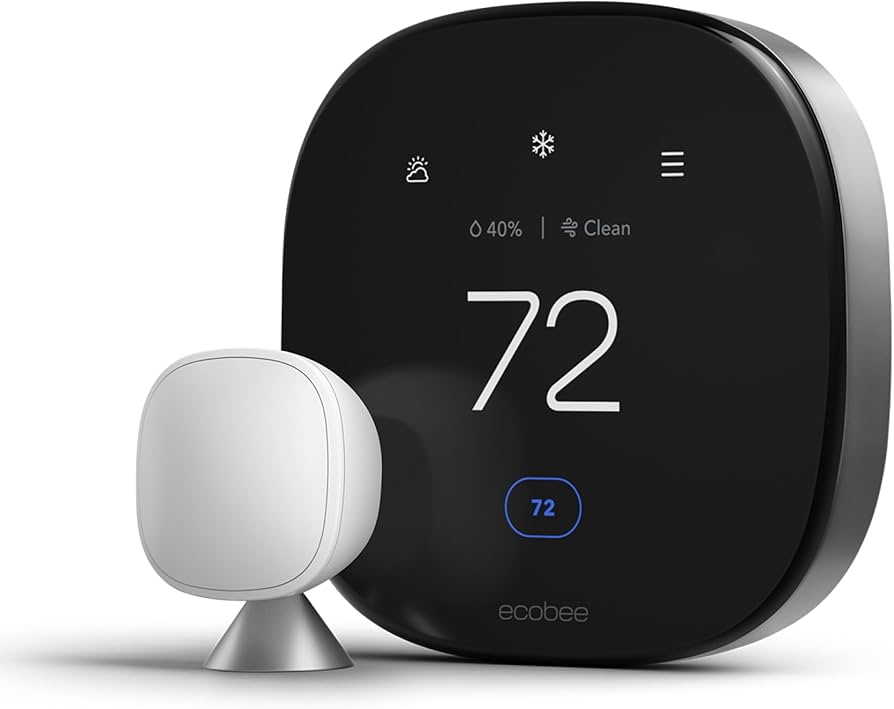
Smart thermostat with room sensors · Whole-home comfort control · Energy savings and reporting
The ecobee Smart Thermostat Premium provides comprehensive climate management and detailed insights into your home's energy usage.
As an Amazon Associate I earn from qualifying purchases. Prices may vary.
No comments yet. Be the first to share your thoughts!