

The cost of power in 2026
Household energy bills are up 7% since 2020 according to the Department of Energy. Between charging EVs and powering a house full of gadgets, demand is hitting the grid hard. Most of us are just looking for a way to stop the bleeding on our monthly statements.
This article isn't about simply identifying energy-efficient devices; it’s about pinpointing those that deliver demonstrable monetary savings. The 'smart' label doesn’t automatically translate to lower bills. Many devices offer convenience and features without a significant return on investment. We’ll focus on the tech that genuinely pays for itself, and then some.
The DOE’s Efficient New Homes program, updated in March 2026, emphasizes the importance of integrated systems, not just individual gadgets. That’s a principle we’ll carry throughout this guide. We're aiming to help you build a smart home that’s both technologically advanced and fiscally responsible.
10 devices that pay for themselves
Let's get down to business. Here are ten smart home devices that can realistically save you money in 2026. Each entry includes an estimated cost, potential annual savings (based on DOE data and reasonable usage estimates), and a 'geek score' – my subjective assessment of its customizability and appeal for tech enthusiasts. Savings figures assume moderate usage and energy prices; your mileage may vary.
1. Nest Learning Thermostat (4th Generation): Cost: $249. Estimated Savings: $130-$180/year. Geek Score: 8/10. The Nest learns your schedule and adjusts the temperature accordingly. It also offers geofencing and integration with other smart home platforms. It’s a classic for a reason.
2. Ecobee SmartThermostat with Voice Control: Cost: $229. Estimated Savings: $120-$170/year. Geek Score: 7/10. Similar to Nest, Ecobee offers remote sensors to monitor temperature in different rooms, optimizing comfort and efficiency. Its built-in voice control is a plus.
3. Philips Hue Smart LED Bulbs: Cost: $40-$60 per bulb. Estimated Savings: $20-$40/year (depending on usage). Geek Score: 6/10. While the upfront cost is higher, LED bulbs use significantly less energy than traditional incandescent bulbs. Hue’s dimming and scheduling features maximize savings.
4. TP-Link Kasa Smart Plugs with Energy Monitoring: Cost: $25-$35 per plug. Estimated Savings: $30-$50/year (depending on appliances). Geek Score: 5/10. These plugs allow you to remotely control appliances and monitor their energy consumption, cutting down on phantom loads. The energy monitoring is surprisingly useful.
5. Sense Home Energy Monitor: Cost: $299. Estimated Savings: $100-$200/year (through behavioral changes). Geek Score: 9/10. Sense monitors your electrical panel and identifies individual appliances, providing detailed energy usage data. It’s a powerful tool for uncovering energy hogs.
6. Lutron Caseta Smart Dimmer Switches: Cost: $60-$80 per switch. Estimated Savings: $20-$40/year. Geek Score: 7/10. Dimming lights not only creates ambiance but also saves energy. Lutron is known for its reliability and wide compatibility.
7. August Smart Lock Pro (4th Generation): Cost: $279. Estimated Savings: $10-$30/year (reduced heating/cooling from door openings). Geek Score: 6/10. While not a direct energy saver, a smart lock can reduce energy loss from frequent door openings and closings, especially in poorly insulated homes.
8. Samsung SmartThings Smart Water Leak Sensor: Cost: $30-$40 per sensor. Estimated Savings: Potentially hundreds/thousands in water damage prevention. Geek Score: 4/10. Preventing water damage is a huge cost saver. This sensor alerts you to leaks before they become major problems.
9. Enbrighten Z-Wave Smart Motion Switch: Cost: $40-$50 per switch. Estimated Savings: $20-$30/year. Geek Score: 5/10. Automatically turns lights on/off based on motion, eliminating wasted energy in infrequently used rooms.
10. Amazon Smart Air Quality Monitor: Cost: $70. Estimated Savings: $50-$100/year (through informed HVAC usage). Geek Score: 6/10. By monitoring indoor air quality, you can optimize HVAC usage and reduce energy consumption while maintaining a healthy home environment.
Featured Products
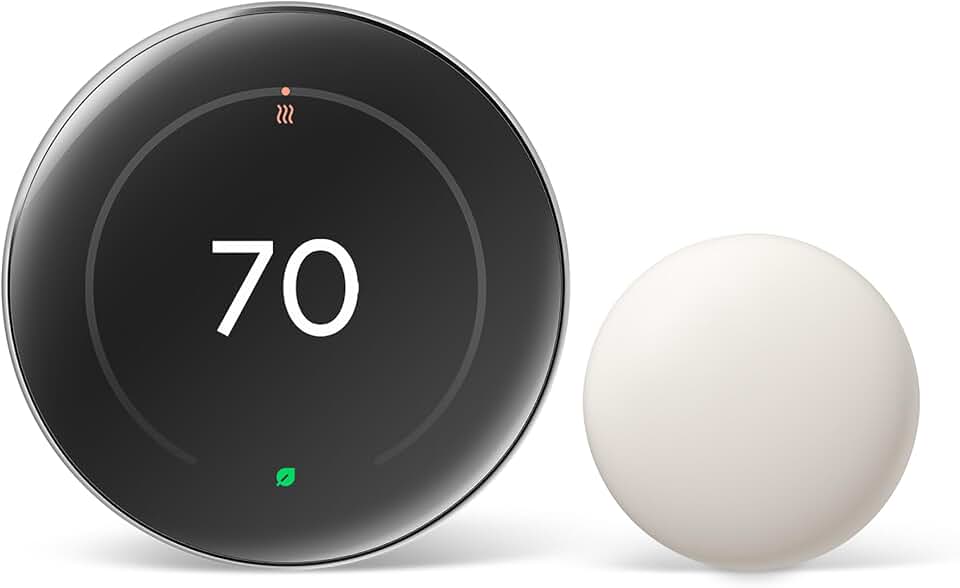
Learns your schedule and preferences to automatically adjust temperature · Nest Temperature Sensor helps manage temperature in specific rooms · Sleek, minimalist design with a bright, easy-to-read display
This smart thermostat learns your habits to optimize heating and cooling, saving energy and money, while the included sensor ensures comfort in key areas.
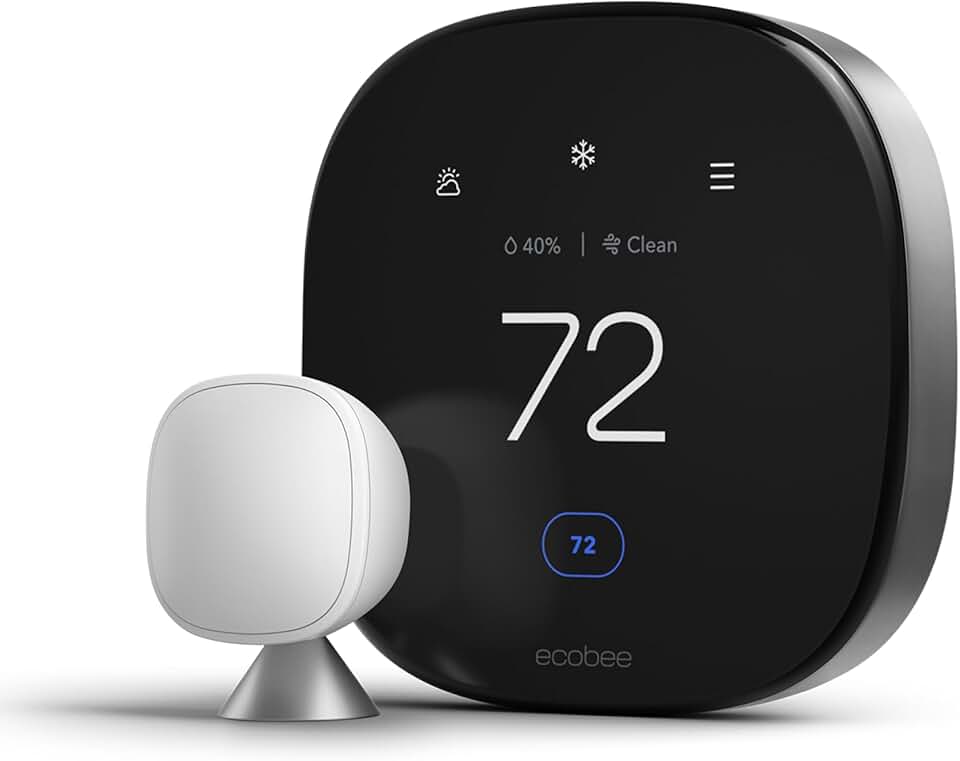
Includes a Smart Sensor to detect occupancy and adjust temperature for comfort and savings · Monitors indoor air quality, providing alerts for potential issues · Voice control compatibility with Siri, Alexa, and Google Assistant
The ecobee Smart Thermostat Premium offers advanced features like air quality monitoring and room-specific temperature control through its included sensor, leading to significant energy savings.

Control lighting remotely via smartphone app · Set schedules and routines to automate lighting · Choose from millions of colors and shades of white light
Philips Hue smart bulbs allow for precise control over home lighting, enabling energy savings through scheduling and dimming, while also offering customizable ambiance.

Monitors energy consumption of connected devices in real-time · Allows remote on/off control of appliances via app · Supports Matter for seamless integration with various smart home ecosystems
These Kasa smart plugs provide granular energy monitoring for individual appliances, allowing you to identify and reduce phantom power drain, thus lowering electricity bills.

Provides real-time, whole-home electricity usage monitoring · Tracks energy production from solar installations · Integrates with smart home systems for automation based on energy data
The Emporia Vue 3 offers comprehensive insights into your home's energy consumption, empowering you to make informed decisions to reduce waste and optimize usage.
As an Amazon Associate I earn from qualifying purchases. Prices may vary.
Plugs and bulbs
Smart power strips and lighting represent some of the easiest and most cost-effective ways to reduce energy consumption. 'Phantom loads' – the energy consumed by devices when they're turned off – can account for a significant portion of your electricity bill. Smart power strips, like those from TP-Link Kasa, cut power to devices when they’re not in use.
Switching to smart LED lighting is another no-brainer. LEDs use up to 75% less energy than incandescent bulbs and last much longer. Dimming LEDs and scheduling them to turn on and off automatically further increases savings. Zigbee-based smart bulbs often offer better range and reliability than Wi-Fi-based options, but require a hub.
Don't underestimate the cumulative effect of these small changes. While the savings from a single smart bulb or power strip may seem modest, they add up over time, and they're a great starting point for building a more energy-efficient home.
HVAC & Water Heating: Bigger Investments, Bigger Returns
Smart HVAC controls and smart water heaters represent larger upfront investments, but they can deliver substantial long-term savings. Smart HVAC systems can optimize heating and cooling based on factors like weather forecasts, occupancy, and time-of-use electricity rates. Some systems even offer zone control, allowing you to heat or cool only the rooms you’re using.
Smart water heaters allow you to schedule heating cycles to coincide with off-peak electricity rates. They can also learn your hot water usage patterns and adjust accordingly. The ROI on these systems depends on your energy rates and usage, but can be significant, especially in areas with time-of-use pricing.
I'm a bit hesitant to make overly optimistic claims about the long-term reliability of some of these more complex systems. It’s important to research brands carefully and read reviews before making a purchase. Professional installation is often recommended to ensure proper operation and safety.
Energy Monitoring System Comparison - 2026
| Cost | Installation Difficulty | Data Granularity | Integration Options | User Interface |
|---|---|---|---|---|
| Generally requires professional installation, representing a higher upfront investment. | Moderate to High, depending on electrical panel access and complexity. | Provides detailed, appliance-level energy usage insights, identifying individual device consumption. | Integrates with a range of smart home platforms, including Amazon Alexa and Google Assistant, though direct Matter support may vary. | Offers a visually rich and detailed mobile app with a focus on energy disaggregation. |
| Professional installation is recommended for optimal performance, adding to the overall cost. | Moderate, requiring access to the electrical panel but generally less complex than some alternatives. | Offers whole-home energy monitoring with circuit-level detail, allowing identification of energy-intensive circuits. | Compatible with popular smart home ecosystems and offers an API for advanced users. | Provides a clean and informative web and mobile interface, with an emphasis on cost tracking. |
| Installation typically involves replacing your existing electrical meter, necessitating professional assistance. | High, as it requires working with the electrical meter and potentially coordinating with your utility provider. | Provides real-time energy usage data and identifies significant energy changes, but lacks appliance-level detail. | Limited integration options compared to other systems, primarily focusing on utility company portals. | User interface is often web-based and provides a broad overview of energy consumption. |
Illustrative comparison based on the article research brief. Verify current pricing, limits, and product details in the official docs before relying on it.
No comments yet. Be the first to share your thoughts!